
Popular


Search for a Topic / Article
Latest Blog Posts

6 Science-Backed Ways to Enjoy Christmas Without the Food Guilt (a Nervous-System Approach)
How can you enjoy Christmas without restriction and guilt? This nervous-system-first guide offers 6 science-backed tips - pre-event blood sugar buffers, intentional yes/no choices, post-meal walks that reduce glucose by up to 30%, sunlight for mood, and why you can have late nights OR alcohol but not both. Includes Victoria’s gentle December supports.

Are Cherries Good for You? Glycemic Index, Sleep, and 6 Evidence-Backed Health Benefits
Are cherries good for you? With a glycemic index of just 20 and a glycemic load of 6, cherries lower blood sugar, support cardiovascular health, improve sleep via natural melatonin, and reduce HbA1C, VLDL and triglycerides. This guide reviews two major studies and explains the anthocyanin dose ranges (55-720 mg/day) used in research.

How Breathwork and Yoga Rewire Your Nervous System: The Vagus Nerve and the Science of Calm
How can you rewire your nervous system? This evidence guide explains how breathwork activates the vagus nerve and parasympathetic system. Two cited studies: just 2 minutes of deep breathing improved decision-making by 50% (Naderi 2022); 12 weeks of Hatha yoga increased glutathione and total antioxidant status (Sinha 2007). Plus how to start safely.
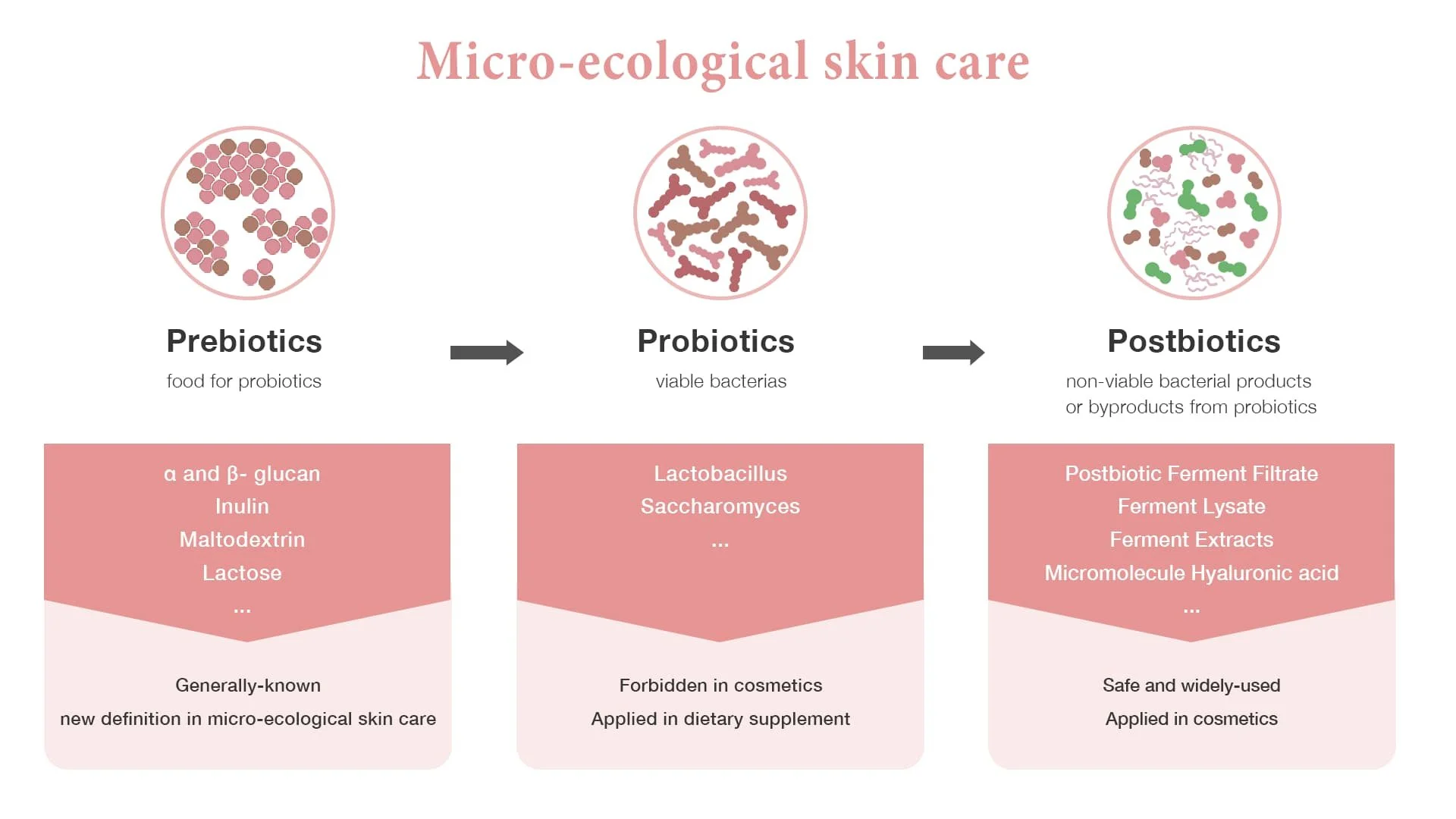
What Is Bioactive Skincare? How to Support Your Skin Microbiome (with a Step-by-Step Routine)
What is bioactive skincare? Unlike harsh cleansers that strip the skin, bioactive formulations work with your skin microbiome - the trillions of microbes that protect, hydrate and heal. This guide explains the 5 daily disruptors (over-exfoliation, antibiotics, sugar diet, stress, hormones), best ingredients (peptides, ceramides, probiotics), and a microbiome-friendly skincare routine.
Prebiotics and Probiotics for Skin: Which Strains Help Acne, Eczema, Rosacea and Psoriasis
Which probiotic strains help which skin conditions? This evidence guide maps specific probiotics to acne (Streptococcus thermophiles), eczema (Vitreoscilla filiformis), psoriasis (Bifidobacterium infantis) and rosacea (Bifidobacterium breve). Plus what prebiotics are, why they’re the forgotten half of skin care, and how encapsulated Lactobacillus acidophilus delivers lasting results.

How BPA and Endocrine Disruptors Drive Weight Gain and Hormone Disruption (and 4 Steps to Reduce Exposure)
How do BPA and other endocrine disruptors drive weight gain and hormone disruption? Over 90% of adults have detectable BPA in their urine, and a 2017 study of 4,733 Canadians found the highest BPA exposure correlated with 1.5x higher obesity risk. This guide explains the mechanism (leptin resistance, lipogenesis, NAFLD) and 4 evidence-based steps to reduce exposure.

How to Stop Emotional Eating and Beat Sugar Withdrawal: 10 Self-Compassion Steps
How do you stop emotional eating and beat sugar withdrawal? This compassionate guide explains why changing your relationship with food is hard, what the 3-10 day sugar withdrawal really feels like (flu-like aches, sinus congestion), why dopamine drives cravings, and 10 self-compassion steps including the organic licorice tea trick used in 'I Quit Sugar' programs.

Can Gut Bacteria Cause Anxiety? How the Microbiome Shapes Mood (and How to Rebuild Diversity)
Can gut bacteria cause anxiety? Studies show people with generalised anxiety disorder have reduced microbial diversity and lower levels of Faecalibacterium, Coprococcus and Eubacterium. This guide explains the 5 gut-brain pathways (SCFAs, serotonin, GABA, vagus nerve, BDNF), and how to rebuild diversity with 30+ plants weekly and 40g fibre daily.

Why Dieting Causes Weight Gain (Not Loss): What 25 Long-Term Studies Reveal About the ‘Diet Trap’
Why does dieting cause weight gain? A 2013 review of 25 long-term studies found 75% of dieters gained weight over time. Mann's 2007 American Psychologist review showed most regain weight within 4-5 years - and up to two-thirds end up heavier. This guide explains the biology (GLP-1, leptin, inflammation) and sustainable alternatives.
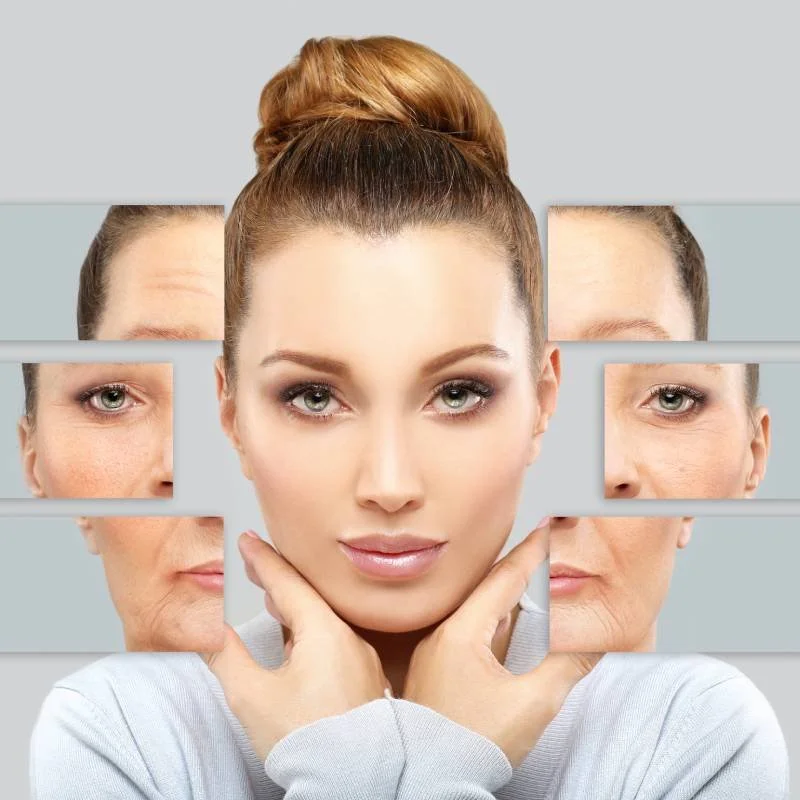
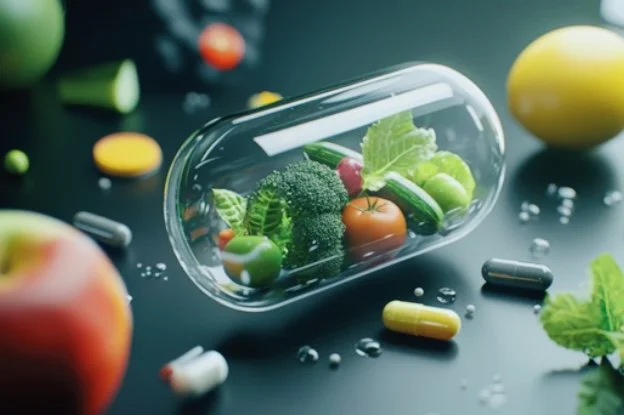
Food vs Supplements for Glowing Skin: Why ‘Food First’ Beats Pills (and What to Eat)
Should you take supplements for healthier skin? A staggering 27% of Australians self-direct their supplements, but Victoria argues food beats pills every time. This guide explains why 'you can't out-supplement a bad diet,' lists the best skin-supporting foods for vitamins C, E, protein and antioxidants, and why liver function monitoring matters when using nutraceuticals.

Can Drinking Tea Help You Lose Weight? Green vs Black vs Oolong (and a Liver Safety Warning)
Can drinking tea help you lose weight? A 2023 review of Camellia sinensis teas (green, oolong, black, dark) found tea polyphenols block fat/sugar absorption via lipase and amylase, boost SCFAs, and shift the Firmicutes-to-Bacteroidetes ratio. This guide compares the four tea types and includes a liver-safety warning from a real clinical case.
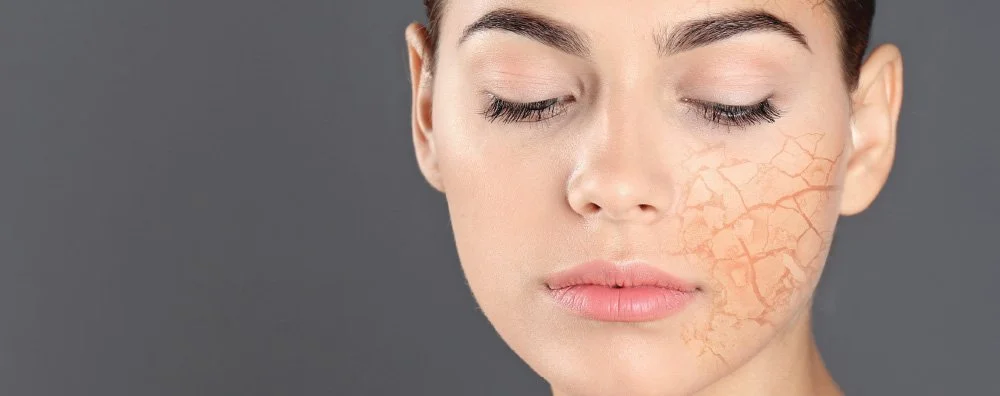
5 Toxic Personal Care Ingredients to Avoid: Parabens, Phthalates, Sulphates, Formaldehyde and TPO
Which personal care ingredients should you avoid? This guide explains the 5 most concerning: fragrance (which hides phthalates in 75% of products per EWG), parabens (xenoestrogens linked to breast cancer), sulphates (EU-banned for cancer concerns), formaldehyde-releasing preservatives, and TPO in gel nail polish (banned by the EU as a reproductive toxicant in 2025).

White LED vs Red LED Light Therapy: Why Medical-Grade Omnilux Outperforms At-Home Devices
White LED vs red LED - which delivers better results? White LED bundles red's mitochondrial collagen boost with blue's acne-fighting effects across one broad-spectrum treatment. This guide explains why medical-grade Omnilux (TGA + FDA approved) outperforms at-home devices on dosing accuracy and irradiance, plus safety rules for Fitzpatrick III - IV skin and photosensitive medications.

The Easiest High-Protein Egg Breakfast: A Family-Favourite Scramble with Feta and Yoghurt
Looking for an easy high-protein egg breakfast? This family-favourite scramble combines organic eggs, Greek yoghurt, sautéed onions, mushrooms, silverbeet, and a feta finish - packed with choline, complete protein and micronutrients. Plus a quick summary of the 2020 meta-analyses showing eggs don't increase cardiovascular risk in healthy adults.
What Is Functional Aesthetics? Why Inside-Out Beats Surface-Only Skin CareIntroducing “Functional Aesthetics”
What is Functional Aesthetics? This emerging clinical model combines functional medicine with aesthetic practice - treating skin and hair from the inside out instead of just the surface. Backed by the Institute for Functional Medicine (founded 1991), it integrates regenerative treatments like PRP, exosomes, polynucleotides and LED with metabolic, hormonal and microbiome assessment for lasting results.
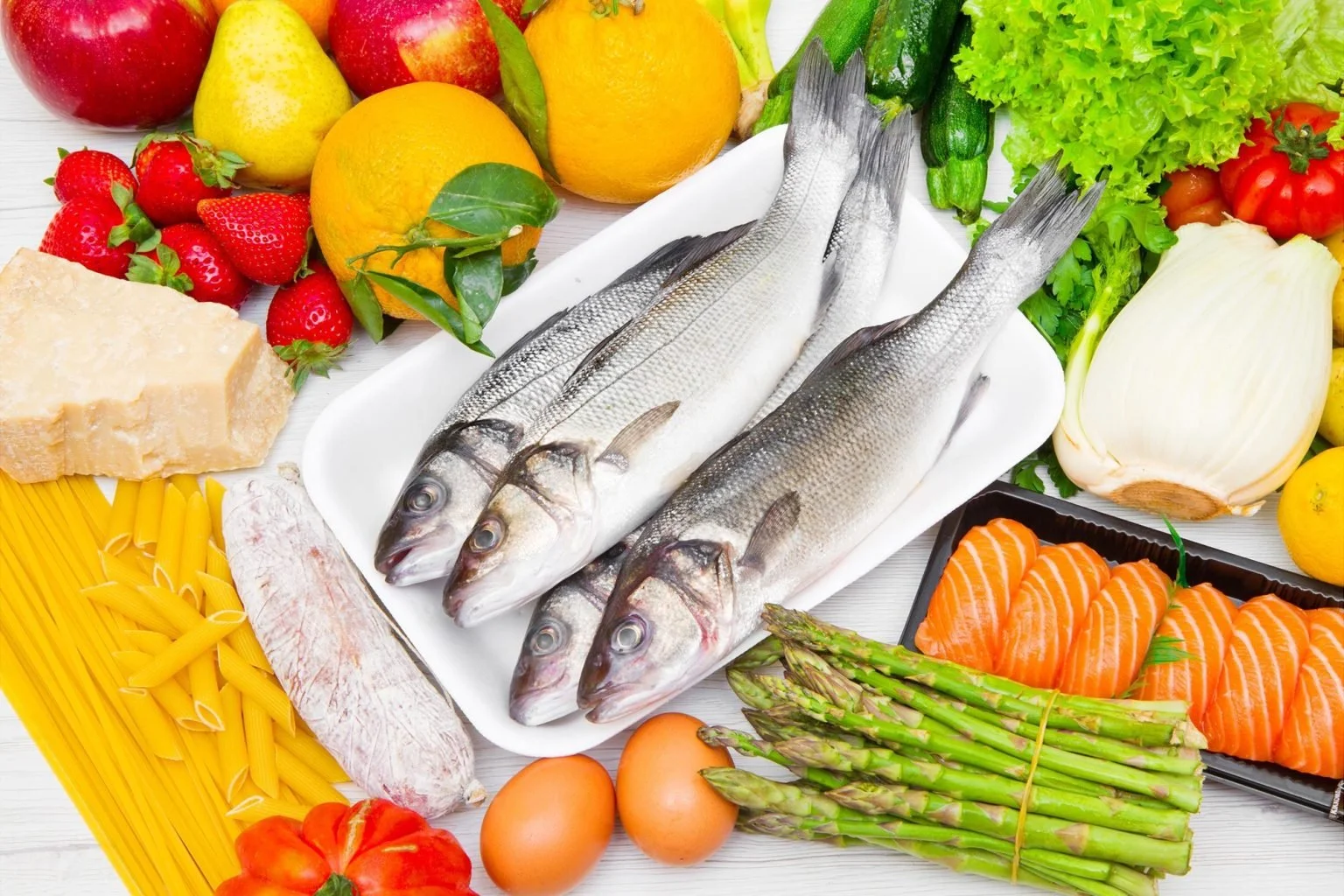
Type 2 Diabetes and the Gut Microbiome: How Nutrition Can Prevent 60% of Cases
Can the gut microbiome help prevent type 2 diabetes? A 2024 Nutrients review by Hamamah et al. shows nutrition reshapes both gut bacteria and metabolic fate - and approximately 60% of T2DM cases can be delayed or prevented through lifestyle change. This guide explains which beneficial bacteria (Akkermansia, Faecalibacterium, Roseburia) are reduced and how Mediterranean-style diets restore balance.

Toxic Skin and Haircare Ingredients in Australia: Why the EU Bans 1,300 and Australia Bans None
Why does the EU ban over 1,300 cosmetic ingredients while Australia bans none? This guide explains the stark regulatory contrast, the 4 most concerning skincare ingredients (fragrance, parabens, sulphates, formaldehyde - including the 75% of fragranced products that hide phthalates), 20+ haircare chemicals to avoid, and how to read labels like a pro.

Topical Nutrient Infusion During Micro-Needling: Which Active Ingredients Deliver Real Results
Why does product selection matter so much during micro-needling? The fine channels created by collagen induction therapy let active ingredients reach deeper layers than topical application alone. This guide details which compounded ampoules deliver real results (PRP, exosomes, retinaldehyde, copper peptides, niacinamide, kojic acid), performance ingredients for pigmentation and acne, and Calphasome calcium-based delivery technology.

How Breathwork, Yoga and Meditation Rewire the Brain: Science of Mental Clarity, Focus and Calm
How can breathwork, yoga and meditation rewire your brain? Conscious breathing activates the vagus nerve, lowers noradrenaline, and restores focus. Two cited studies: 2 minutes of deep breathing improved decision-making by 50% (Naderi 2022), and 12 weeks of Hatha yoga raised glutathione and total antioxidant status (Sinha 2007).
Winter Skincare Routine: How to Improve Skin Hydration, Barrier Function and Glow (Sydney Practitioner Guide)
How can you improve skin hydration in winter? This Sydney practitioner guide explains why the stratum corneum loses lipids in cold weather, which ceramide and hyaluronic acid moisturisers restore the barrier, how to choose pH-balanced cleansers, environmental modifications (40-60% humidity), and the best in-clinic treatments - including Profhilo and Korean Reduran bio-remodelling.