
6 Science-Backed Ways to Enjoy Christmas Without the Food Guilt (a Nervous-System Approach)
My TOP 6 recommendations to work with your body … not against it

The festive season is welcomed with such joy but for many it becomes unnecessarily stressful, much of this is self imposed.
We all look forward to the connections celebrations laughter late nights family and friend reconnections, long lunches and the memories that stay with us long after our favourite decorations come down.
For so many people, December arrives carrying pressure, a narrative to behave, to restrict, to “be good,” to undo the damage before it even happens…
Is this you ?

Let’s gently rewrite your story.
This is not about self control
This is about self care.
Care for your body, your nervous system, your hormones and your gut — so you can fully enjoy the season instead of over thinking your way through it.
Here are my 6 gentle science-based suggestions to work with your body — not against it.

When your blood sugar is stable your liver is supported and your nervous system feels safe, the body becomes incredibly resilient.
Research consistently shows that short-term increases in sugar alcohol and late nights are far better tolerated when glucose regulation movement and sleep rhythms are supported
(Blaak et al., 2021; Esposito & Giugliano, 2014).
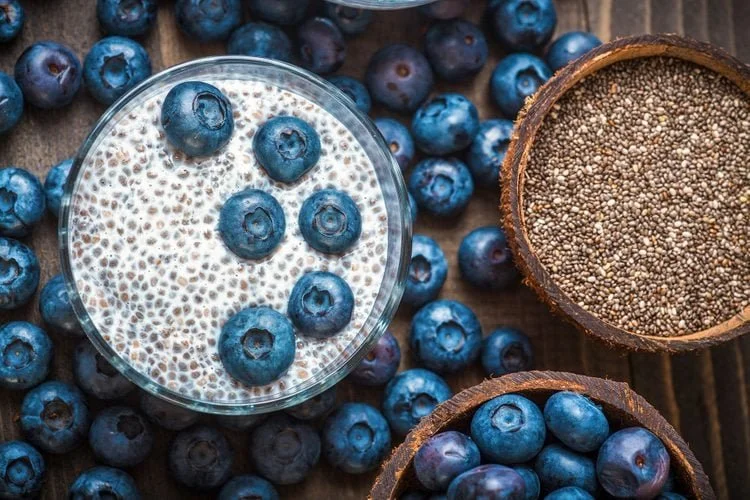
Create a “Blood Sugar Buffer” before you leave home.
When we arrive at an event already hungry stressed or depleted the nervous system shifts into survival mode. Blood sugar rises quickly insulin spikes, and a few hours later we crash — straight into cravings poor food choices irritability and fatigue.
A small protein + fat snack 30–60 minutes before an event dramatically slows glucose absorption and reduces the spike-crash-crave cycle.
This is not restriction.
This is safety for your nervous system.
Try one of :
A small handful of almonds or macadamias
Veggie sticks with hummus
Greek yoghurt with cinnamon
Why this works:
Pre-meal protein and fat have been shown to reduce post-meal glucose spikes by up to 30% by slowing gastric emptying and improving insulin response (Shukla et al., 2015).
“When your blood sugar feels safe, the body doesn’t panic and when the body doesn’t panic — food loses its power struggle.”
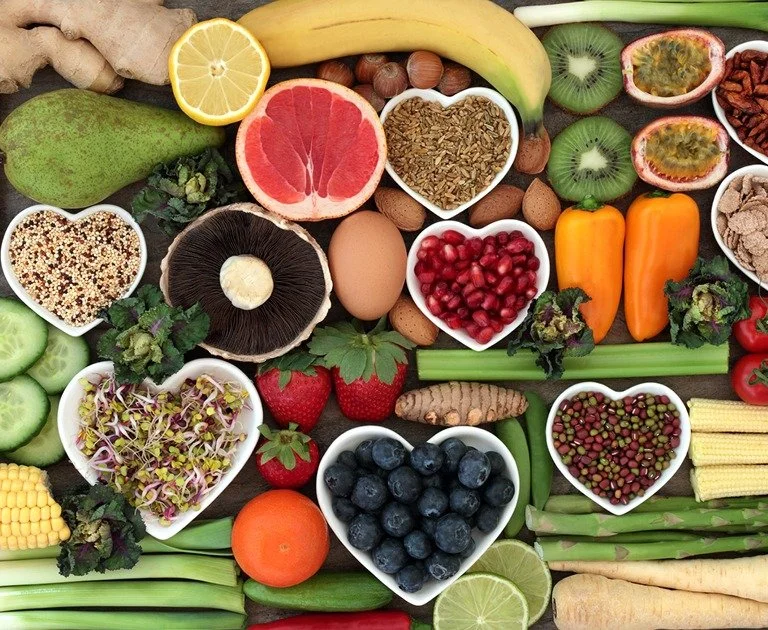
2. Say “Yes” with intention — NOT obligation
Not every invitation deserves your nervous system.
Chronic over-commitment activates the stress response, elevates cortisol, disrupts digestion, sleep and hormone balance — and ironically increases emotional eating and exhaustion.
Before saying yes, pause and ask:
Will this nourish me or drain me ?
Do these connections nurture my soul?
Am I choosing this from joy or from guilt ? both beautiful life lessons and ones I continue to strengthen personally.
One of the most powerful self-regulation tools is simply a pause.
Giving yourself 24 hours before committing protects your energy for the entire season.
“Your body doesn’t just process food — it processes pressure”
3. Keep movement gentle consistent + forgiving
Movement isn’t about punishment this time of year — it’s about circulation glucose control mood regulation and stress clearance.
Even small bouts of movement:
Improve insulin sensitivity
Lower stress hormones
Improve digestion
Boost dopamine and serotonin
Pick just ONE daily anchor:
6,000–12,000 casual steps … or
10–15 minutes of strength … or
“Movement snacks” (squats while boiling the kettle or my 4 minute workout.)
A 2023 review confirmed that even 7–10 minutes of regular movement across the day significantly improves glucose control and energy levels — without needing structured workouts.
“Consistency calms the nervous system more than intensity ever will”

4. Use Sunlight as Medicine for mood, hormones & immunity 🌞
Vitamin D is not just a bone nutrient, It directly influences:
Immune resilience
Mood stability
Hormonal regulation
Inflammation control
Natural sunlight remains the most efficient and biologically aligned way to support vitamin D status.
Aim for:
Morning or late-afternoon sun exposure
A gentle outdoor walk or coffee in daylight
If you supplement Vitamin D year-round, I recommend reviewing your dose with your practitioner over summer to avoid unnecessary excess.
“Light exposure is one of the most powerful regulators of your circadian rhythm and nervous system safety.”

5. Choose Your Nervous System hit.. Late Night or Alcohol — sorry, NOT BOTH
Both alcohol and sleep deprivation independently:
Suppress deep sleep
Increase next-day cravings
Impair glucose control
Heighten anxiety
Together, they amplify the stress response and significantly reduce emotional and metabolic resilience (Roehrs & Roth, 2001).
If you choose alcohol:
Aim for your final drink at least 3 hours before bed
Hydrate between drinks
Eat beforehand
“This simple timing shift can dramatically protect deep sleep and next-day energy.”

6. Walk after you eat (for digestion and enjoyment NOT for punishment)
I believe this is one of the most under-used metabolic and gut-support tools available.
A 7–10 minute gentle walk after eating:
Reduces post-meal glucose by up to 30%
Improves digestion
Enhances satiety
Lowers inflammatory stress signals (Colberg et al., 2016)
“This is not a calorie burn.
This is a digestive signal of safety to your body”
Victoria’s Gentle December Supports
These are not “fixes” — simply supportive tools for a busier season and are optional not mandatory.
Magnesium Glycinate – Sleep, Stress & Muscle Ease
Magnesium is rapidly depleted during stress, sweating and poor sleep. The glycinate form is best tolerated by the gut and most calming for the nervous system.
Best taken after 4pm
Supports sleep quality, muscle relaxation and emotional regulation
NAC – Liver & Cellular Resilience
N-acetylcysteine (NAC) supports the production of glutathione the body’s primary antioxidant and liver protectant.
Helpful during periods of higher alcohol intake
Supports detoxification, inflammation balance and respiratory health but is dose dependent so please discuss with your practitioner as Glutathione has low what we call bio-availability.
Epsom Salt Baths – A Direct Nervous System reset
Warm magnesium-rich baths directly activate the parasympathetic, “rest and digest” nervous system.
Add 1– cup to warm water
Soak for 20 minutes
care getting out of bath as can make it slippery
Deep muscular relaxation + emotional down-regulation
take your cup of tea in with you and close the door.
light your favourite candles or use your favourite music.
The Truth I’m Quietly Suggesting is:
Food is not the problem.
Your body is not broken.
And you do not need more rules.
What your system craves is:
Safety
Rhythm
Consistency
Kindness
“When your nervous system feels protected, your gut functions better. When your gut is supported, your brain feels steadier. and when your brain is steadier — your choices naturally soften.
You don’t need to earn your food this season.
“You simply need to support your body so it feels safe enough to receive it.”

Its been an absolute treat supporting you this year and I am so humbled and appreciative of your ongoing custom.
Clinic will close on the 23rd December and re open on the 8th January.
If you are preparing to do your microbiome testing the last day samples can be received by the lab is the 16th December.
If you need to re order your VP Skin Care, all is now available online and the last day of dispatch for holiday delivery is 19th December.
If travelling I wish you wonderful adventures, unforgettable memories lots of hugs (remember minimum 10 seconds both sides !! ) and laughter.
Enjoy the long lunches.
Enjoy the champagne.
Enjoy the late nights when they feel worth it.
Just wrap them in habits that tell your body:
“You are safe, you are supported. You’ve got you.”
Victoria xx
Scientific References
Blaak, E. E. et al. (2021). Impact of metabolic flexibility on health. Nature Reviews Endocrinology.
Esposito, K., & Giugliano, D. (2014). Lifestyle changes for metabolic syndrome. Current Opinion in Pharmacology.
Shukla, A. et al. (2015). Food order and glycemic response in type 2 diabetes. Diabetes Care.
Colberg, S. R. et al. (2016). Physical activity/exercise and diabetes. Diabetes Care.
Roehrs, T., & Roth, T. (2001). Sleep, sleepiness, and alcohol use. Alcohol Research & Health.
Holick, M. F. (2007). Vitamin D deficiency. New England Journal of Medicine.
McEwen, B. S. (2017). Neurobiological effects of stress. Annual Review of Medicine