
What Is Autophagy ? how cellular ‘spring cleaning’ supports Longevity (and 6 ways to activate It)
How your body “Spring Cleans” itself and how you can help.
I remain committed to educating and empowering you guiding you toward sustained vitality through evidence-based strategies and clear scientific explanation.
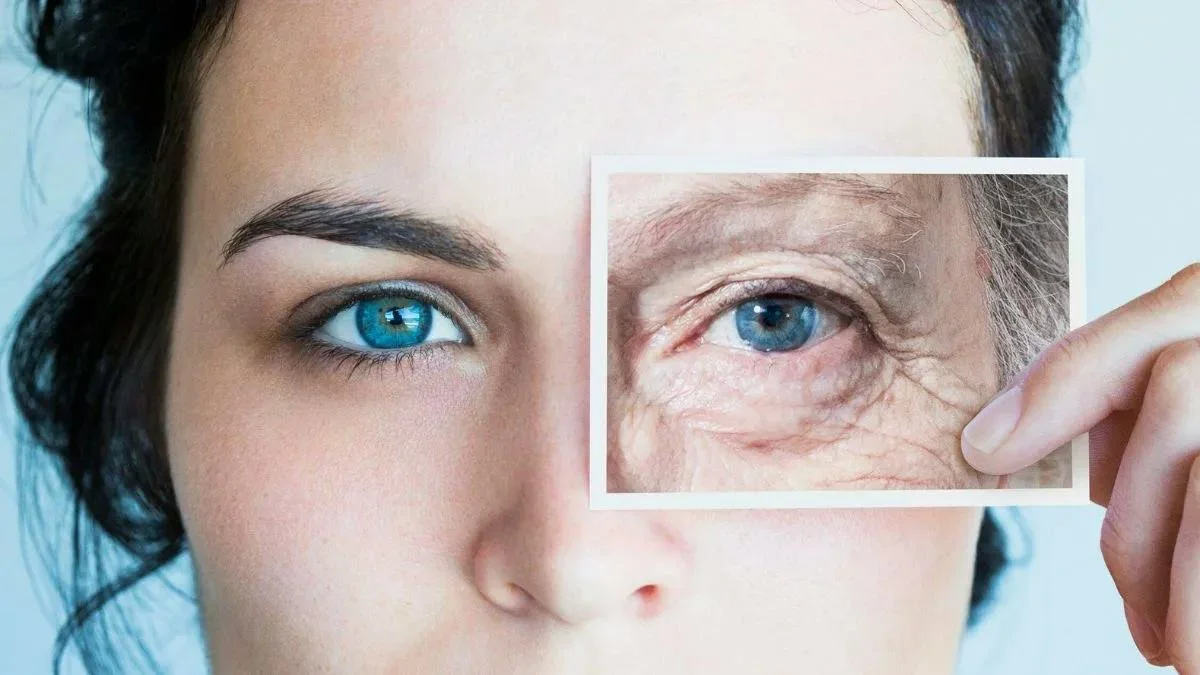
When we think about healthy ageing we often focus on Hormones, Collagen, or Inflammation. Beneath all of that lies something even more fundamental: how well your cells “spring clean” and repair themselves.
Your body is designed to renew itself.
Our role is to remove it’s obstacles and create the right biological balance for efficient renewal.. through all of life’s stages.
Let’s explore the science around your body’s “spring clean” process ….
Autophagy and the concept of senescent Cells .. those cells that are damaged and are proving difficult to “clean.”
and how to optimise you, considering the variants.

Let’s explore Two key biological players in your biological “Spring Clean”
Autophagy and Cellular Senescence.
Understanding them helps explain why lifestyle choices matter so profoundly in preventing disease and promoting longevity.
This is relevant not just for your skin and hair quality but for your whole body.
From your skin’s perspective, to understand your skin and hair before asking it to improve in quality we must consider what is challenging you …not just your skin.
Consider developing an understanding of how much you can ask of your skin - and if it is capable of providing you with the results you are seeking.
Modern life is a daily challenge, glorious often but still for many a challenging balancing act. I’m sure you have experienced that increased challenges come with increased changes in our entire mind/body system - and from skin to within, a pro-inflammatory state begins to wreak havoc and can easily manifest externally.
Almost everyone you meet is likely dealing with some form of stress—chronic or acute—which often shows outwardly in skin color, texture, tone, response to treatment and resilience.
What Is Autophagy?
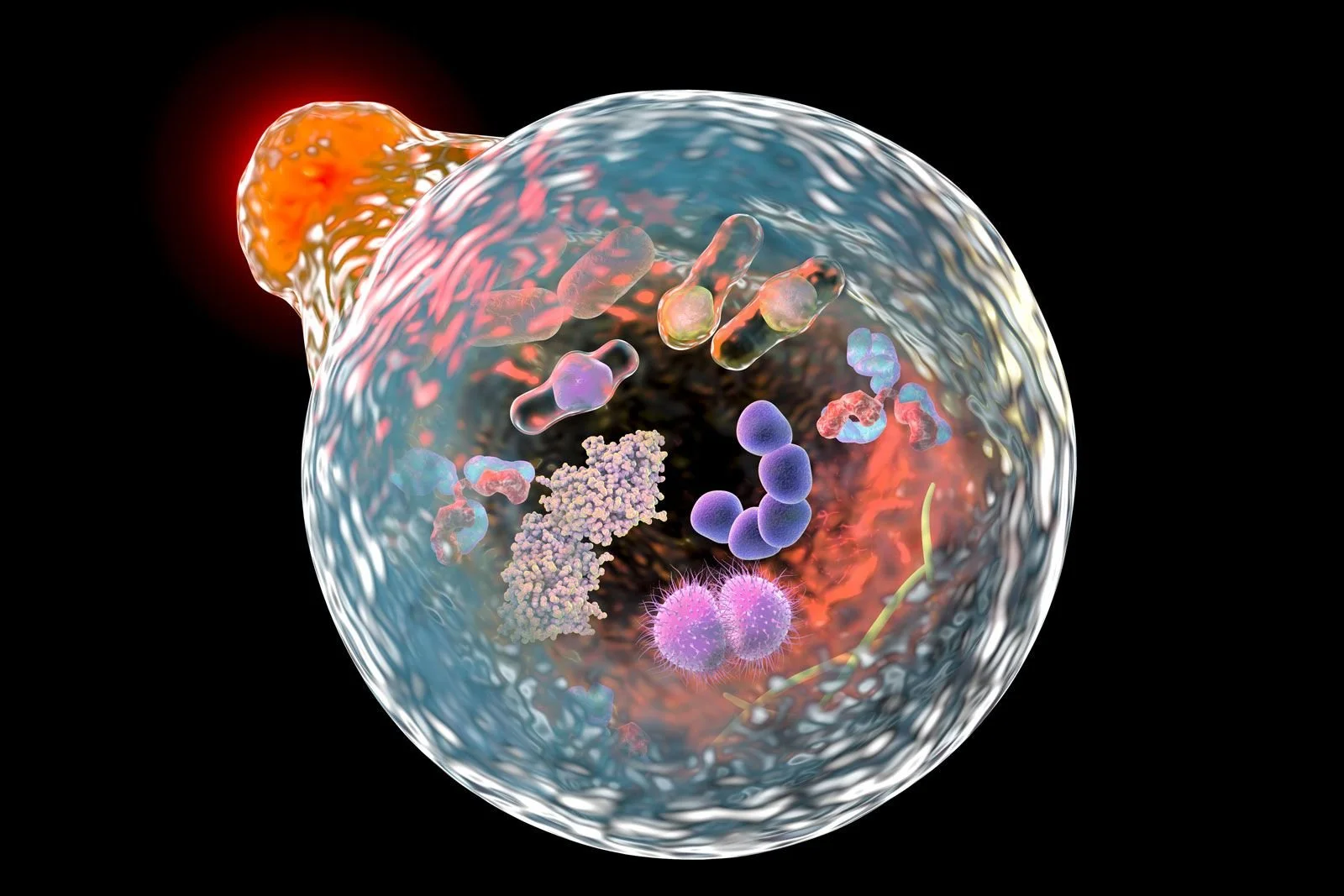
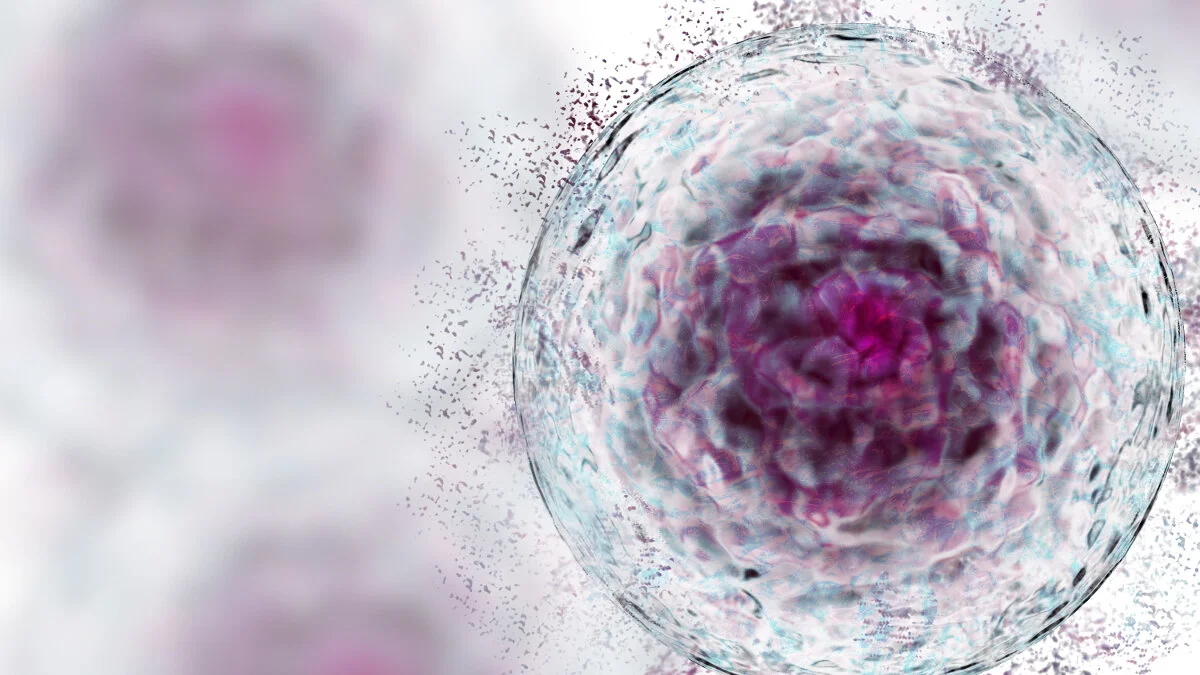
Autophagy (meaning “self-eating”) is your cell’s internal recycling and repair system. First described by Yoshinori Ohsumi, who was awarded the Nobel Prize in Medicine for uncovering its mechanisms, autophagy is now recognised as “
“one of the most important biological processes in healthy ageing”
In simple terms, Autophagy:
Identifies damaged proteins and worn-out mitochondria
Packages them into small bundles (vesicles)
Delivers them to lysosomes (the cell’s recycling centres)
Breaks them down and reuses the components
It is not destruction — it is Cellular renewal. A process that you want to be seamless and efficient for good health and vitality.
Why Autophagy is essential for healthy ageing
Autophagy helps maintain cellular balance and repair — internal balance.
When functioning well, autophagy ;
Prevents toxic protein buildup
Clears dysfunctional mitochondria (mitophagy)
Supports your immune system
Reduces your oxidative stress
Enhances your metabolic function
Research consistently shows that autophagy declines with age
contributing to neurodegeneration, cardiovascular disease, metabolic disorders, and immune dysfunction (López-Otín et al., 2013; Rubinsztein et al., 2011).
Impaired autophagy is considered one of the hallmarks of ageing.

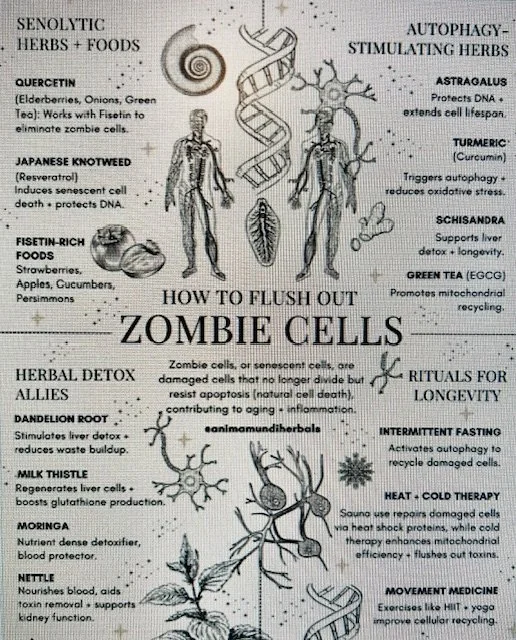
Senescent Cells — The “Zombie Cells”
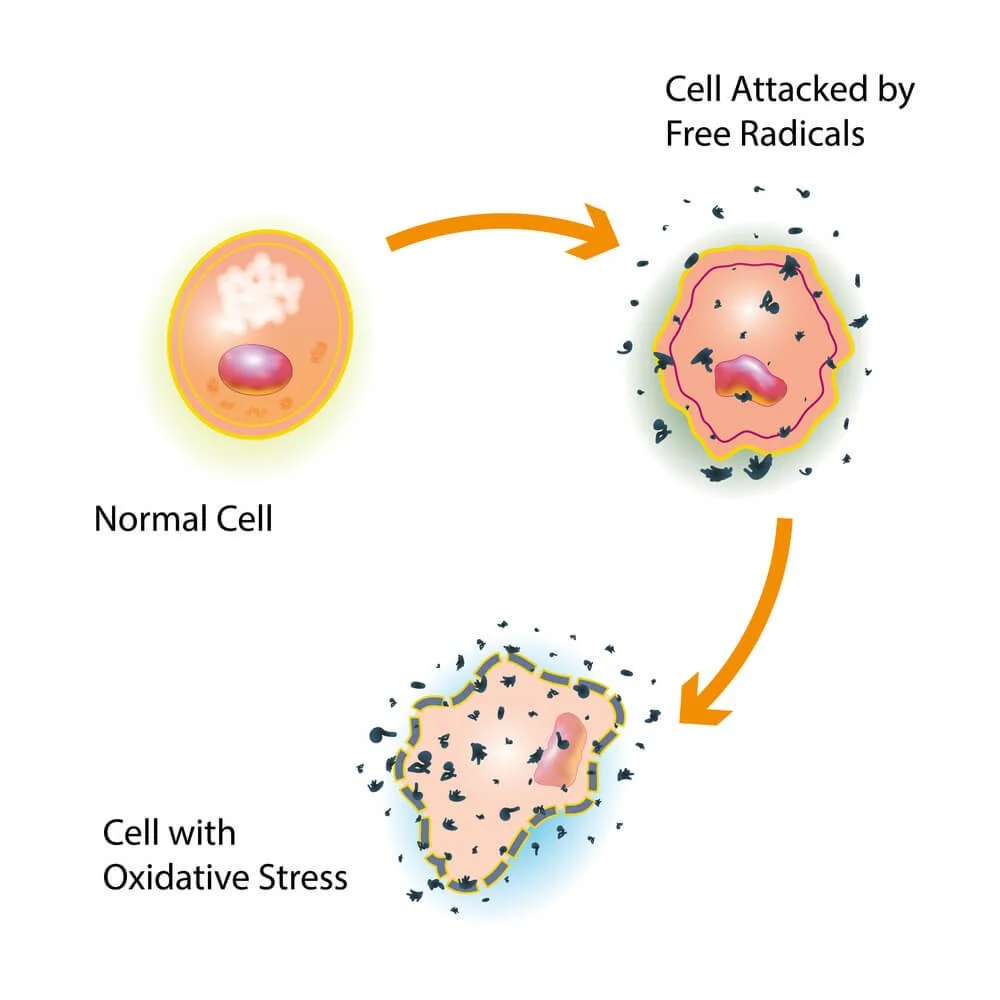
As we age, some damaged cells enter a state called senescence.
If you’re a fan of the Harry Potter series, I liken the senescence cells to the DEMENTORS…depressive black wafts of negative energy that would create dark clouds in the sky and terrorise Harry and friends. Evil energy you are keen to clear.
Senescence cells
Stop dividing
Resist dying
Release inflammatory signals known as the senescence-associated secretory phenotype (SASP)
While senescence initially protects us from cancer, the accumulation of senescent cells over time promotes chronic inflammation, tissue dysfunction, and degenerative disease (Campisi, 2013; Childs et al., 2017).
Autophagy and Senescence are closely connected. Efficient autophagy “spring cleaning” can prevent cellular damage that drives senescence. When autophagy stalls, damaged components accumulate — increasing the likelihood of “zombie” cell formation.
What Causes Autophagy to Stall?
Autophagy is regulated by nutrient-sensing pathways, especially mTOR (mechanistic target of rapamycin). When nutrients are constantly abundant (over eating) and metabolic stress is high, mTOR remains activated — and autophagy is suppressed.
Autophagy may decline due to:
Chronic overnutrition
Sedentary lifestyle
Persistent inflammation
Poor sleep
Mitochondrial dysfunction
Age-related decline in lysosomal efficiency
When your cellular clean up system slows down, debris accumulates — and this contributes to ageing biology.

To understand your skin before asking it to create changes and improve, please consider what is challenging you, not just your skin.

Action-Oriented: Steps to Support Your Body’s “Spring Cleaning”
Here is what the science suggests you can do to optimise autophagy safely and sustainably:
Create Metabolic Rest Periods
Time-restricted eating (TRE) or intermittent fasting can activate autophagy by lowering insulin and mTOR signalling.
Even a consistent 12–14 hour overnight fasting window may support metabolic improvement.
Research shows caloric restriction robustly activates autophagy pathways and extends lifespan in multiple species (Madeo et al., 2019; Rubinsztein et al., 2011).
Practical step:
Finish dinner earlier.
Avoid late-night snacking.
Allow your body regular fasting intervals as long as when your feed, you feed well
This is a very important subject for future and represents a significant cohort of new patients in clinic. They fast, but are unhealthy or malnourished. There is fasting and there is healthy fasting.
2. Exercise — Your Most Powerful Autophagy Stimulator
Physical activity stimulates autophagy in muscle, liver, brain, and adipose tissue.
Both endurance and resistance training activates AMPK, which suppresses mTOR and promotes cellular cleanup (He et al., 2012).
Practical step:
Include 3–strength sessions weekly, even 7-10 mins
Add brisk walking with intervals
Even moderate movement improves mitochondrial quality
3. Support Mitochondrial Health
Damaged mitochondria are major drivers of cellular ageing.
Support them with:
Regular exercise
Adequate sleep
Micronutrient sufficiency (magnesium, B vitamins, iron balance)
Reduced oxidative load (avoid smoking, manage pollution exposure)
know your toxin burden and actively balance it out
know your healthy microbial supports
Healthy mitochondria reduce the burden placed on your autophagy process.
4. Prioritise Sleep
Autophagy follows circadian rhythms and works best with deep and regular sleep cycles
Sleep disruption impairs cellular repair and increases inflammatory signalling.
Practical step:
7–8 hours of quality sleep
Consistent bedtime with a wind down 2 hours prior
Morning light exposure
5. Reduce Chronic Inflammation
Persistent inflammatory signalling impairs cellular repair mechanisms and promotes oxidative stress and senescence.
Focus on:
Whole-food, anti-inflammatory diet
Gut microbiome diversity
Stress regulation
Blood sugar stability
joy connection laughter nature pets
6. Emerging Science: Senolytics & Therapeutics
Research is exploring compounds that selectively remove senescent cells (“senolytics”) and drugs like Rapamycin that modulate mTOR.
While promising, these remain investigational and should not be used without medical supervision (Childs et al., 2017).
Lifestyle remains your safest and most evidence-supported intervention.

Healthy ageing is not about stopping time.
It is about maintaining efficient cells and resilience.
When your cells clean well, they function well.
My Key Takeaways for you ;
Autophagy is your body’s cellular recycling and repair system.
It declines with age but can be significantly influenced by lifestyle.
Senescent cells accumulate when damage isn’t cleared effectively.
Supporting autophagy supports healthy ageing and disease resistance.
Several nutraceuticals enhance autophagy
Exercise, metabolic rest, microbial health, sleep, and inflammation control are foundational.

References
Campisi, J. (2013). Aging, cellular senescence, and cancer. Annual Review of Physiology, 75, 685–705.
Childs, B. G., Durik, M., Baker, D. J., & van Deursen, J. M. (2017). Cellular senescence in aging and age-related disease. Nature Medicine, 23(12), 1424–1435.
He, C., et al. (2012). Exercise-induced autophagy in muscle is required for metabolic benefits. Nature, 481, 511–515.
López-Otín, C., Blasco, M. A., Partridge, L., Serrano, M., & Kroemer, G. (2013). The hallmarks of aging. Cell, 153(6), 1194–1217.
Madeo, F., Zimmermann, A., Maiuri, M. C., & Kroemer, G. (2019). Essential role for autophagy in life span extension. Journal of Clinical Investigation, 129(5), 1683–1691.
Rubinsztein, D. C., Mariño, G., & Kroemer, G. (2011). Autophagy and aging. Cell, 146(5), 682–695.
Ohsumi, Y. (2014). Historical landmarks of autophagy research. Cell Research, 24, 9–23.
Microbiome Gut and Regenerative Skin and Hair Practitioner
in Neutral Bay, Cremorne, Mosman, Sydney.
Certified Functional and Nutritional Medicine Practitioner.
Co-Biome Microbiome Practitioner
Skin Health + Hair Restoration
Compounded Skin Nutraceuticals
Professional Food and Nutritional Coach