
Is Rhubarb good for gut health ? How it feeds Akkermansia + a Victoria’s stewed rhubarb recipe
Including my recipe for gut and family friendly Rhubarb stew.
Gut Skin Clinic - Microbiome Testing Lower North Shore Sydney
There is something deeply grounding our Saturday early morning visits to the organic markets here in Sydney. John and I both feel it is one of the highlights of our busy weeks which sets us up with beautiful produce for the week ahead.
The air feels softer, the visitors are happy to be out of office or home and growers stand proudly behind tables layered with produce freshly harvested and full of goodness.
I often say that the market is my favourite extension of clinic life. It’s where evidence-based nutrition meets the ripe beauty of seasonality.
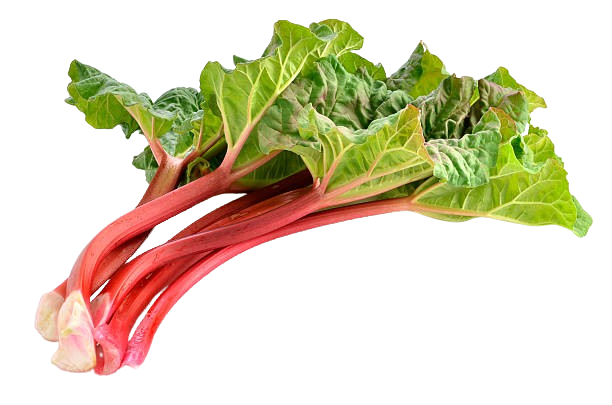
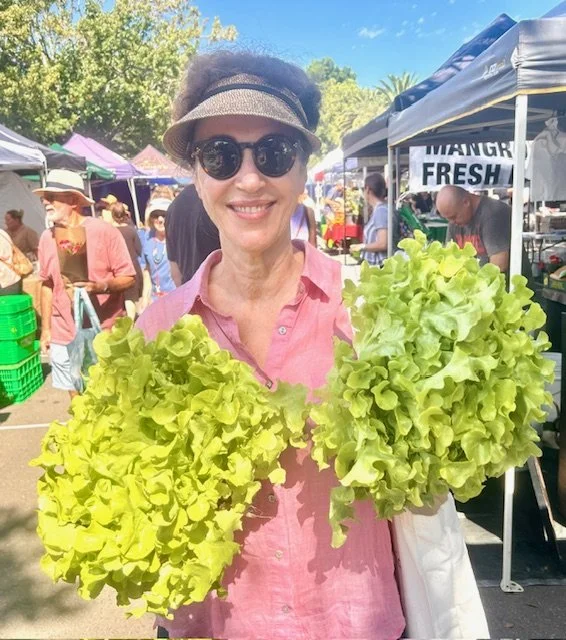
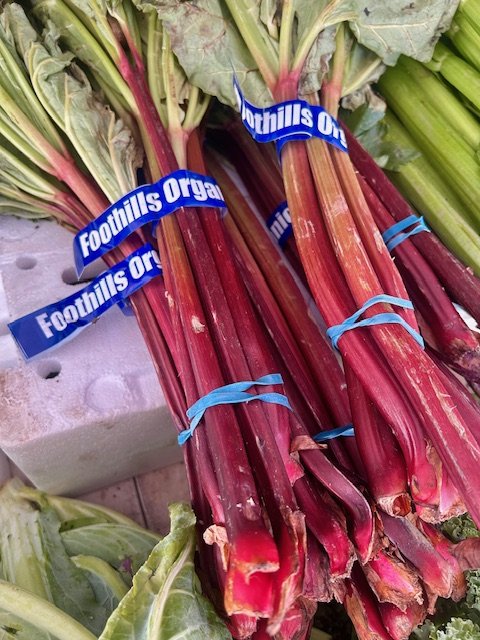
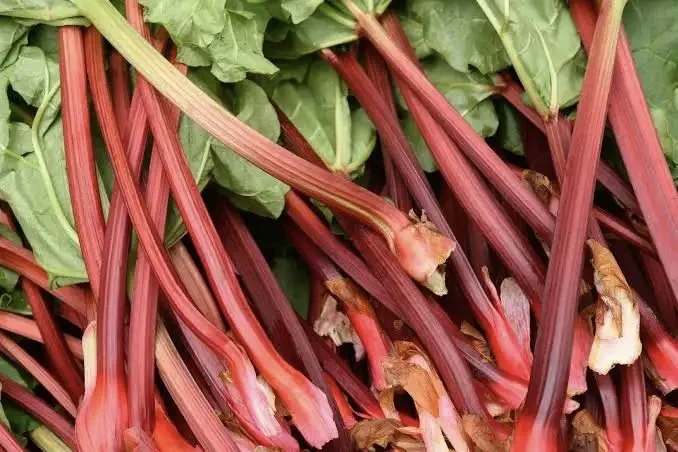
Today, it was the rhubarb that stopped me. Long, blushing organic stalks — vibrant, firm, freshly cut. A fleshy, tart food , highly versatile yet metabolically and microbiome-wise quietly powerful. The butter lettuce was pretty amazing also !
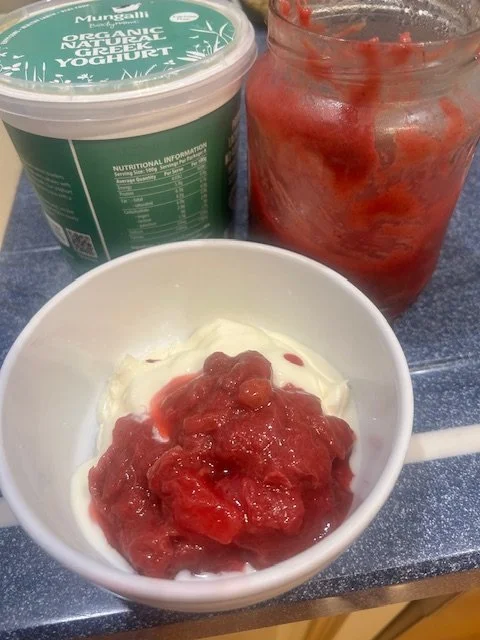
I brought home organic rhubarb along with apples, lemon, fresh ginger and warming spices — imagining my grandmother’s rhubarb stew simmering on my stove. The stew is a great addition to your am yoghurt or granola as well as a powerful support to the trillions of microbes that support your digestion, immune system and skin health.
Your grandma likely made it, but let me share why rhubarb deserves a place in your gut-supportive kitchen — and why food choices matter when we think about microbial health.
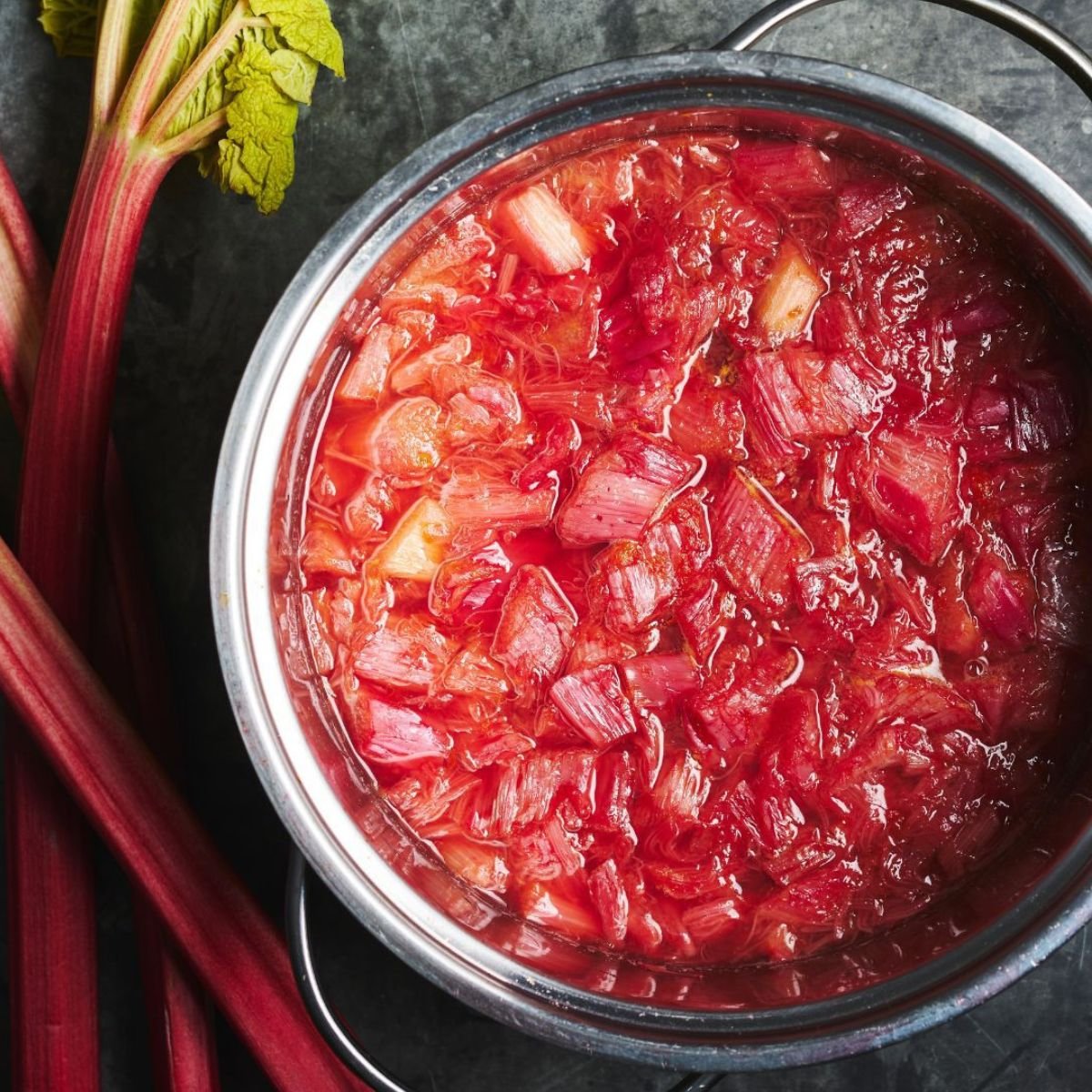
Below is my stew from this weeks outing. This keeps refrigerated for up to 7 days and is a beautiful way to incorporate seasonal produce into a microbiome-supportive diet.
Rhubarb is particularly relevant from a microbiome perspective so lets look at why,
Your gut microbiome influences your:
digestive function
immune balance for the whole body
metabolic health and health weight management
skin integrity quality and resilience
nervous system balance
sleep
At Gut Skin Clinic, I work with patients to understand their unique microbiome testing results, interpreting and guiding on how dietary diversity directly impacts their unique microbial balance and supports whole body health
Rhubarb can positively Influence Gut Bacteria
Looking at published papers I’ve found research suggests rhubarb can remodel gut microbiota composition and increase beneficial organisms including Akkermansia muciniphila, a species associated with a healthy mucosal lining, metabolic regulation and healthy weight maintenance. (Cui et al., 2020, Nutrients).
Akkermansia plays a key role in maintaining the mucus layer that protects the intestinal wall — something we assess indirectly when reviewing your microbiome test results .
2. It may support Gut Barrier integrity
Studies indicate rhubarb compounds may enhance epithelial repair and promote antimicrobial peptide expression, both essential for maintaining intestinal barrier strength (Wu et al., 2016, Scientific Reports).
A resilient gut barrier is critical for reducing inflammatory signalling — particularly relevant for patients presenting with skin conditions, autoimmune concerns, or digestive symptoms.
3. Rhubarb supports digestive motility and microbial species balance
Rhubarb is inherhanty woody and contains fibre as well as naturally occurring anthraquinone compounds traditionally known to assist digestive movement. Rhubarb helps regulate intestinal transit and influence gut microbial balance (Zhang et al., 2022, Frontiers in Pharmacology).
Healthy motility supports microbial diversity — constipation and impacted stool is a significant health risk and managing for comfortable daily evacuation is my gold standard for whole body health.
4. Polyphenols feed beneficial microbes
Rhubarb is rich in polyphenols, which interact with gut bacteria and may enhance short-chain fatty acid (SCFA) production during fermentation (Feng et al., 2018, Journal of Ethnopharmacology).
SCFAs such as butyrate nourish colon cells and support immune regulation — foundational to long-term gut resilience.
My recipe’s delicious combination supports your microbial diversity:
Apples (with skin) → pectin, a prebiotic fibre
Sultanas → fermentable fibres and polyphenols
Fresh ginger → digestive motility
Cinnamon & cardamom → traditional digestive spices
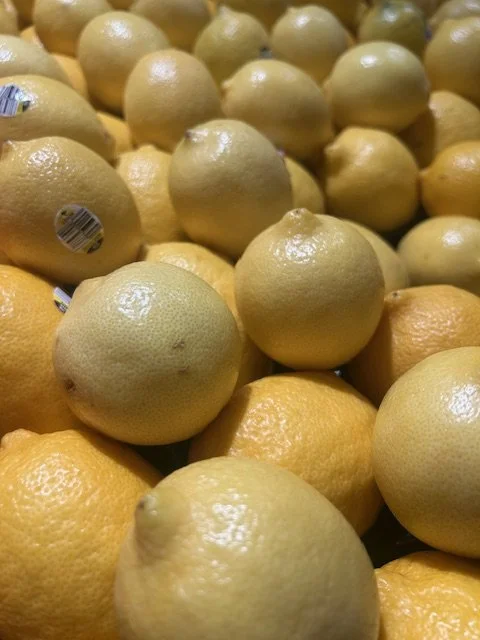
Lemon zest & juice → polyphenols and digestive stimulation
Monk fruit → sweetness without glucose spikes
Layered together, these ingredients create synergy — feeding beneficial microbes while supporting gut comfort and are delicious together.
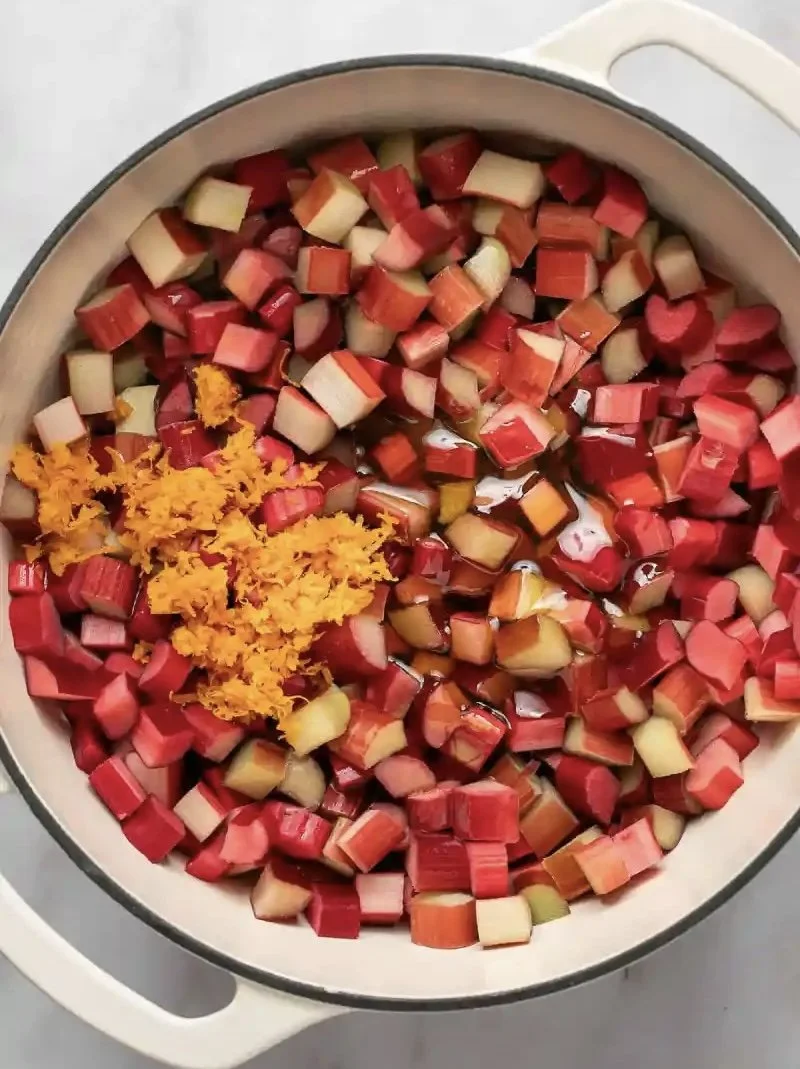
Stewed Rhubarb with apple, ginger and spices
Ingredients
4 cups organic rhubarb, chopped coarsely
2 organic apples, finely diced (skin on)
2 tablespoons organic sultanas
1–2 teaspoons monk fruit (to taste) or organic honey
zest of ½ lemon finely chopped
1–2 tablespoons fresh lemon juice
1 teaspoon minced fresh ginger
1/2 teaspoon cinnamon
1/2 teaspoon ground cardamom
1/2 cup filtered water
optional left over berries, banana even orange diced in tastes good.
Method
Place rhubarb, apple, sultanas, fruits and water into a stainless steel, glass or ceramic saucepan over low-medium heat.
Add lemon zest, juice, ginger and spices.
Cover and simmer gently for 15-20 minutes, stirring occasionally. It softens very quickly but be careful not too high a heat or it may stick. You can always add additional water to get the right consistency. When cooked, it should form dollops on your spoon, not runny.
Taste and adjust sweetness with monk fruit as needed.
Allow to cool slightly — flavours deepen as it rests.
Store in air tight glass jars in the fridge. As there is no preservative in my recipe I suggest consuming within 7 days.
Spoon over natural yoghurt or coconut yoghurt
Add to overnight oats for resistant starch support
Pair with protein at breakfast to stabilise blood sugar
Top with seeds for additional fibre diversity
Food matters — but Personalisation matters more
While whole foods like rhubarb can support gut health, your microbiome is highly individual.
At Gut Skin Clinic in Neutral Bay, I offer comprehensive microbiome testing for patients across the Lower North Shore Sydney to:
Assess microbial diversity
Evaluate short-chain fatty acid production
Review inflammatory markers
Understand digestive patterns
Personalise dietary strategies
This weekend I was reminded:
Food is not just nourishment.
It is communication with every cell of my body.
It is partnership with my inner ecosystem. When we choose seasonal organic produce and prepare it thoughtfully, we nourish our whole self.
If you are experiencing digestive symptoms, skin conditions, autoimmune concerns, or metabolic challenges, understanding your microbiome may be a valuable step.
Food is powerful — but personalised insight is transformative.
Here’s to rosy stalks, yummy stew and thriving inner ecosystems.
References
Cui H. et al. (2020). Modulation of Gut Microbiota by Rhubarb Extract. Nutrients, 12(10):2932.
Wu X. et al. (2016). Rhubarb extract improves intestinal barrier function. Scientific Reports, 6:32141.
Zhang Y. et al. (2022). Effects of rhubarb on intestinal flora and gastrointestinal motility. Frontiers in Pharmacology, 13:845842.
Feng Y. et al. (2018). Polyphenols from rhubarb and gut microbial interactions. Journal of Ethnopharmacology, 215:1-10.
Microbiome Gut and Regenerative Skin and Hair
in Neutral Bay, Cremorne, Mosman, Sydney.
Certified Functional and Nutritional Medicine Practitioner.
Clinical Nurse Consultant
Co-Biome Microbiome Practitioner
Skin Health Regenerative Aesthetics Hair Restoration
Compounded Skin Nutraceuticals
Professional Food and Nutritional Coach