
STRESS Management TOOLS Part 1 : How Breath work Yoga and Meditation have the power to rewire your brain and your life
Including Valuable accessible tools for today’s hyper-connected and fast-paced world.
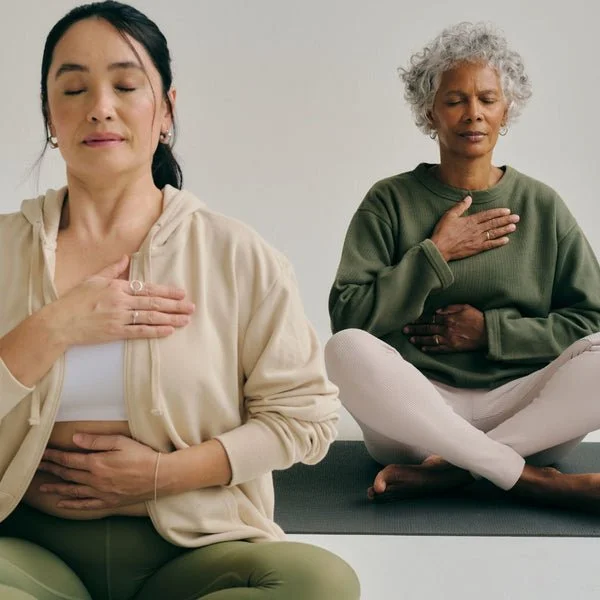
Over the next few weeks I will share with you a several part series on Stress management, one of the if not the largest contributor to contemporary disease and for some the most challenging to manage. As a Functional Medicine practitioner I will share tools that provide an integral foundation for any Functional Health plans we create as we work to find balance, harmony and resist disease relevant to your unique situation.
The stress response is a normal and healthy way that your body protects you, keeps you safe. When that response is constantly “on” is when the damage bites.
Chronic stress leaves a biological footprint that lifestyle changes may not fully reverse. Functional Medicine can help provide targeted cellular support harnessing scientific studies that demonstrate the significant reductions possible in key inflammatory markers that chronic stress elevates.
As a busy practitioner, business owner mother wife entrepreneur and guest lecturer, my life is not without stress. I am also a vulnerable human in remission from a life limiting Auto immune condition. I have learned and continue to prioritise how I manage my nervous system and its “stress” response.
My practice includes who has a seat at my table both Professionally and Personally. Don’t consider this an arrogance but a purposeful and considered shift to calm and harmony. I believe everyone has capacity to calm their nervous system with awareness, knowledge, belief in what’s possible and some practice.

For me, there are several personal habits that have become successful and non negotiable habits including at least 2 Hatha yoga classes weekly and weekly organic market shopping. I love this weekly ritual !
I walk as many mornings as I can logistically handle with a busy practice, the fresh morning air and the light of the new day are my priority although this winter in Sydney has been icier than I remember and not without its challenges.
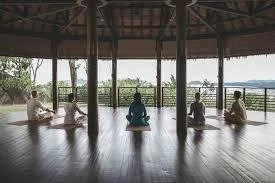
Annually, I prioritise a one week offsite working with Monks and practicing the ancient eastern arts of Chakra Balancing, Qui jong and traditional breath work healing . No, I don’t wear orange robes but I do sharpen my personal skills to call upon at any time to balance my nervous system and support emotional resilience.
I believe that breathing is a wellbeing superpower that does far more than deliver oxygen to our lungs and bodies. It can influence everything from heart rate and anxiety to immune function and emotional regulation.
According to neuroscientists, when we breathe deeply and slowly, we actively alter the chemical activity in our brain- essentially rewiring it.
Today, I am not just writing on Yoga and breath work, but will provide you insights into two valuable studies. Both underscore the potential of Integrative lifestyle approaches to support physiological resilience, from the inside out.
In a world where stress and inflammation are increasingly common, breath work and yoga emerge not just as a physical exercise, but as therapeutic modalities capable of nurturing both cellular health and emotional wellbeing.
Breath work involves conscious control and manipulation of the breath.
Meditation is a practice that focuses on awareness, presence and mindfulness using breath work, and the benefits of both are abundant.
reducing the levels of Noradrenaline (a stress hormone linked to anxiety poor focus, and the “fight or flight” response of your sympathetic nervous system)
reducing stress and supporting emotional health, breathwork is an ancient practice that’s now well backed by science.
When we’re stressed, the brain’s attention networks are disrupted by rising noradrenaline levels, making it hard to focus or stay calm. With just a few intentional breaths, we can restore balance and bring attention systems back into harmony.
The VAGUS nerve has a large role to play here. The longest nerve in our body, it connects the parasympathetic nervous system to all organs in a most valuable way.

In high-pressure moments, breathwork and meditation offers us a sense of control, helping us to navigate the situation calmly whilst avoiding emotional panic. Purposeful breathing through breath work and meditation helps anchor attention to the breath, which supports mindfulness and helps us develop awareness of the present moment… calming anxious thoughts and feelings.
THE BEAUTIFUL QUALITY OF BREATH WORK IS THAT IT IS READILY AVAILABLE TO US AT ANY TIME WE MAY NEED IT.
Conscious breathing activates the parasympathetic nervous system (the body’s natural calming mechanism) by:
slowing heart rate
reducing blood pressure
bringing down stress hormones.
It improves focus and mental clarity and supports better sleep, by slowing brain activity and lulling the nervous system into sleep mode.
Valuable STUDIES: have shown that deep breathing exercises improved decision-making abilities by nearly 50% after just two minutes
making breath work such an accessible tool in today’s hyper-connected and fast-paced world.
Naderi et al, 2022.
4000 IU of vitamin D per day and the practice of Hatha yoga style for 12 weeks, twice a week, led to a significant decrease in Tumor necrosis factor-α (TNF-α) and interleukin-6 levels (pro inflammatory cytokine) and a significant increase in IL-10 (anti inflammatory cytokine) . This demonstrates profound shifts in inflammatory markers though yoga, breath and Vitamin D status alone.

Sinha et al. 2007 offered compelling insight into the measurable benefits of yoga on the body’s antioxidant defense system.
Over the course of this 12-week interventional study, participants who practiced Yoga experienced a significant increase in reduced glutathione (GSH) levels and a notable improvement in total antioxidant status compared to control subjects.
These changes reflect a meaningful reduction in oxidative stress—one of the underlying contributors to cellular aging and chronic disease.
What makes this especially encouraging is the simplicity and accessibility of the intervention: gentle, regular yoga practice.
These findings invite us to consider breath work and yoga not only as a complementary therapy, but as a proactive, empowering tool in the prevention and management of chronic disease.
Further studies will deepen our understanding, but the message is clear: when the body and mind move in harmony, healing potential is amplified.
If breathwork Yoga and Meditation is new to you, consider engaging a trainer or joining a guided Hatha yoga class. You’ll learn different techniques and discover a variety of ways to instil calm and reduce anxiety as well as gently lubricate your joints and improve balance. Suitable for all men and women of every age.