
Bifidobacteria .. the most important microbe you’ve never heard about.
Could one tiny Gut bacteria be quietly weakening your immune system ?
GUT SKIN CLINIC Neutral Bay Sydney
I am on a mission to educate and empower you, supporting you to stay healthy using clear science and best practices.
This blog does not replace a practitioner consultation nor is it to be seen as personalised advice.
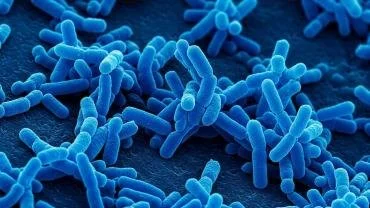
Not all bacteria are BAD and Bifidobacteria are far more than "good gut bugs."
They help train your immune system, strengthen your gut barrier, support healthy inflammation and contribute to your whole-body resilience.
How are your Bifidobacterium today ?
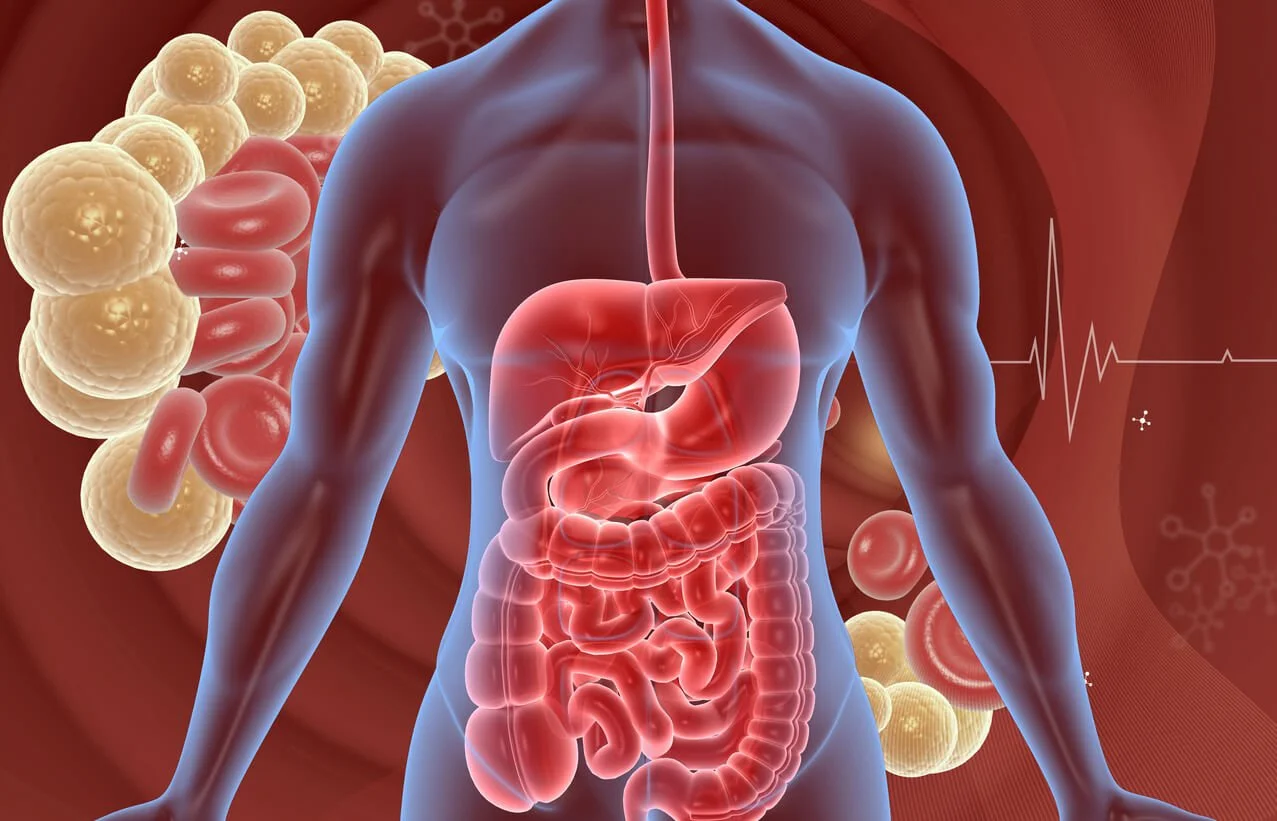
At Gut Skin Clinic I regularly remind my patients that their immune system doesn't begin in their bloodstream—it begins in their gut.
Around 70+ % of your immune cells live within and around your gastrointestinal tract, constantly communicating with the trillions of microbes that call your gut home. Among these, one group stands out repeatedly in scientific research:
Bifidobacteria
Although tiny, these beneficial bacteria play an enormous role in helping educate, regulate and calm your immune system throughout life. They ferment dietary fibres from your food to produce acetate which is an important short-chain fatty acid.
Acetate then becomes fuel for other beneficial bacteria, which produce butyrate. Both natural anti inflammatory peptides made within your gut.
When levels of Bifidobacteria become very low—or disappear altogether—the effects may extend well beyond digestion. Think of Bifidobacteria as some of the "peacekeepers" of your gut.
Rather than simply helping digest food, they constantly communicate with your immune system, helping it decide:
what is harmless
what is dangerous to you
when to activate inflammation
when to switch inflammation off
This careful balance helps maintain what's known as immune tolerance—your body's ability to fight genuine threats without attacking healthy tissues or overreacting to everyday foods and environmental triggers.
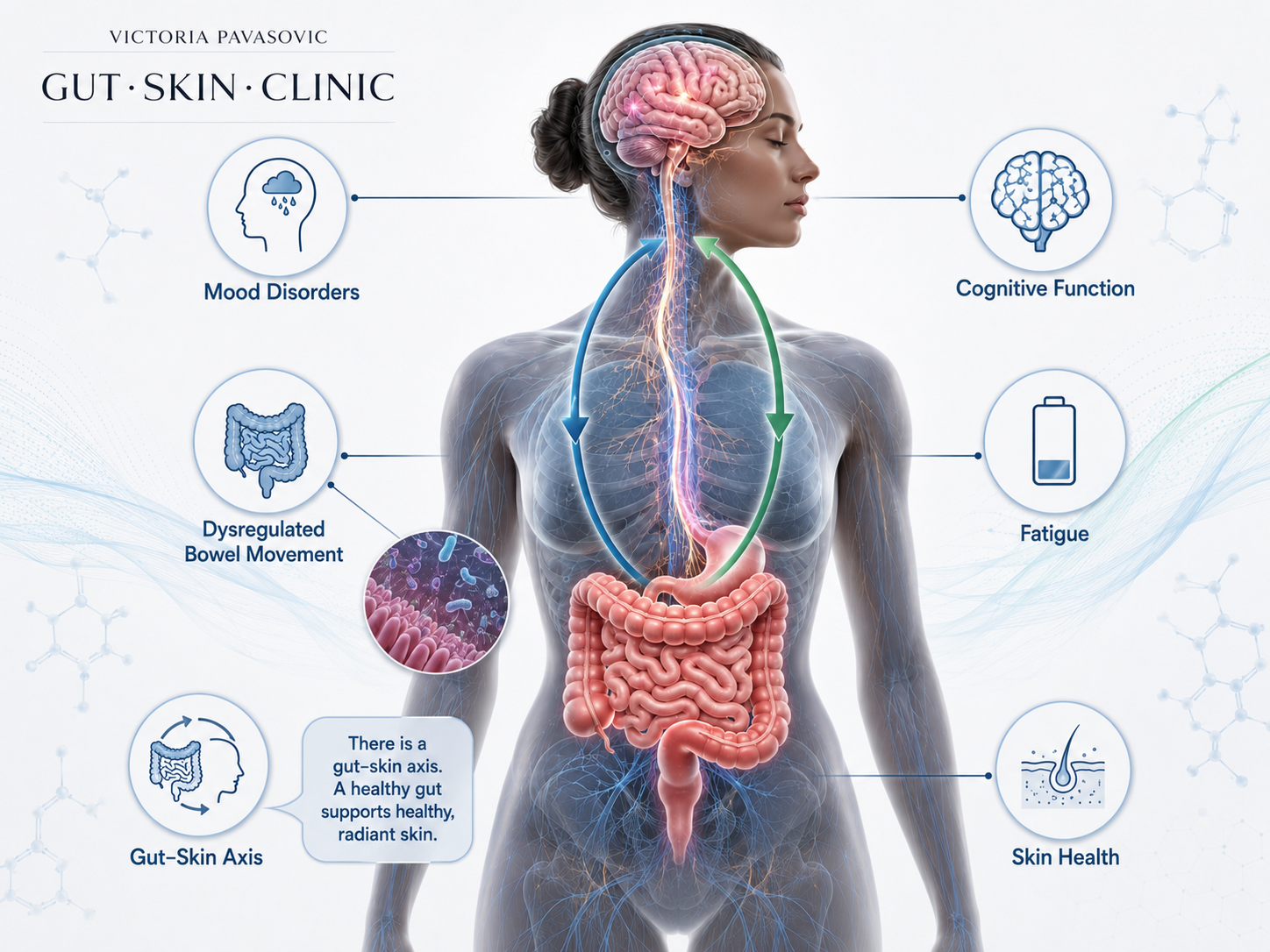
What happens when Bifidobacteria are low?
Research consistently shows that reduced levels of Bifidobacteria are associated with:
Increased intestinal permeability ("leaky gut")
Reduced production of protective short-chain fatty acids (especially acetate)
Less stimulation of protective IgA antibodies
Reduced numbers of regulatory “helper” T cells (Tregs)
Increased inflammatory signalling
Greater susceptibility to infections
Increased risk of allergies and immune dysregulation in susceptible individuals.
This doesn't necessarily mean low Bifidobacteria cause these conditions, but they are frequently seen alongside immune imbalance and reduced gut resilience and I regularly notice the association when reviewing microbiome results against client’s clinical presentations.
It isn't just about gut immunity...
One of the most exciting discoveries of the past decade is that the gut immune system doesn't stay in the gut.
Signals produced by beneficial bacteria travel throughout the body. Healthy levels of Bifidobacteria have been linked with supporting:
balanced systemic inflammation
healthy skin health and barrier function
respiratory immunity
metabolic health
healthy ageing
immune resilience
vaccine responses in early life.
Scientists now describe the gut microbiome as an "immune training ground."
This is where it gets very relevant !
What does the research tell us about Bifidobacteria and Viral infections ?
The COVID-19 pandemic provided scientists with an unprecedented opportunity to understand how our gut microbiome influences immunity.
Across numerous international studies, one finding appeared again and again:
Patients with moderate to severe COVID-19 consistently had significantly lower levels of Bifidobacteria than healthy controls or those with milder disease.
One of the largest systematic reviews, analysing 25 published studies, concluded that reduced Bifidobacterium abundance was one of the most consistent microbiome findings associated with COVID-19 severity.
While these studies cannot prove that low Bifidobacteria directly caused more severe illness, they strongly suggest that these organisms are an important component of a healthy antiviral immune response.
And, it isn't just COVID
Long before COVID-19, Bifidobacteria had already been recognised for their role in protecting against respiratory viral infections.
Clinical trials have shown that selected Bifidobacterium strains can:
reduce the frequency of upper respiratory tract infections
shorten the duration of viral illnesses
reduce symptom severity
improve immune responses following vaccination in some populations.
This reinforces the idea that these bacteria help "educate" the immune system from the earliest stages of life.
Research Snapshot
• Multiple observational studies found significantly lower Bifidobacteria in patients with severe COVID-19 compared with healthy controls.
• Lower Bifidobacteria abundance correlated with increasing disease severity in several studies.
• Experimental studies suggest Bifidobacteria enhance antiviral immunity through improved gut barrier integrity, increased IgA production, Natural Killer cell activation and regulation of inflammatory cytokines.
• Australian infant research found that antibiotic-induced depletion of Bifidobacteria was associated with weaker vaccine antibody responses later in infancy, highlighting the importance of these bacteria in immune development.
There are excellent human and mechanistic studies showing that low Bifidobacteria are associated with reduced responses to influenza vaccination, higher rates of respiratory tract infections, poorer cancer immunotherapy responses, increased allergy risk, eczema, inflammatory bowel disease and even immune ageing ("immunosenescence").
What this means for your health ?
Having low Bifidobacteria does not mean you are destined to develop viral infections or severe COVID-19.
Your immune system is influenced by many factors including:
age
metabolic health
nutrition and glycemic load
sleep
vaccination
chronic disease and mitochondria efficiency
genetics
overall diversity of your gut microbiome.
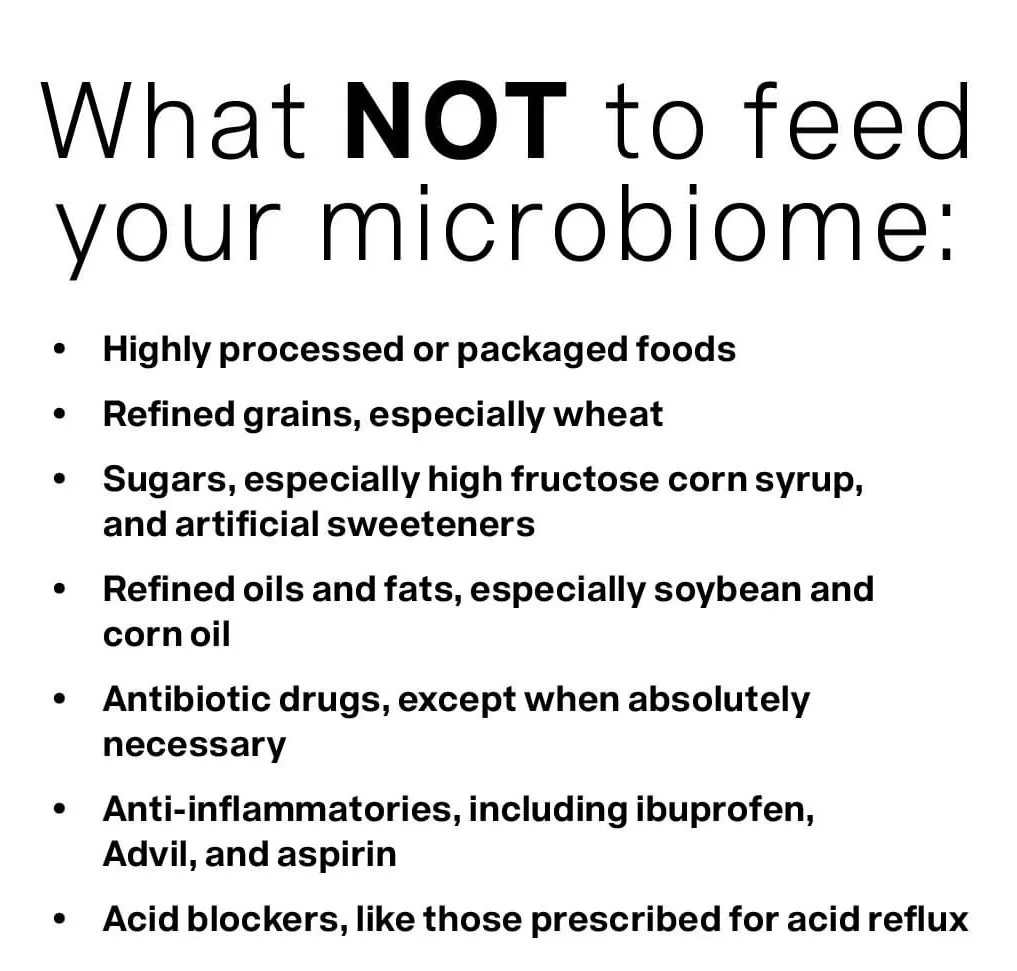
However, your gut microbiome is one of the few factors that is modifiable.
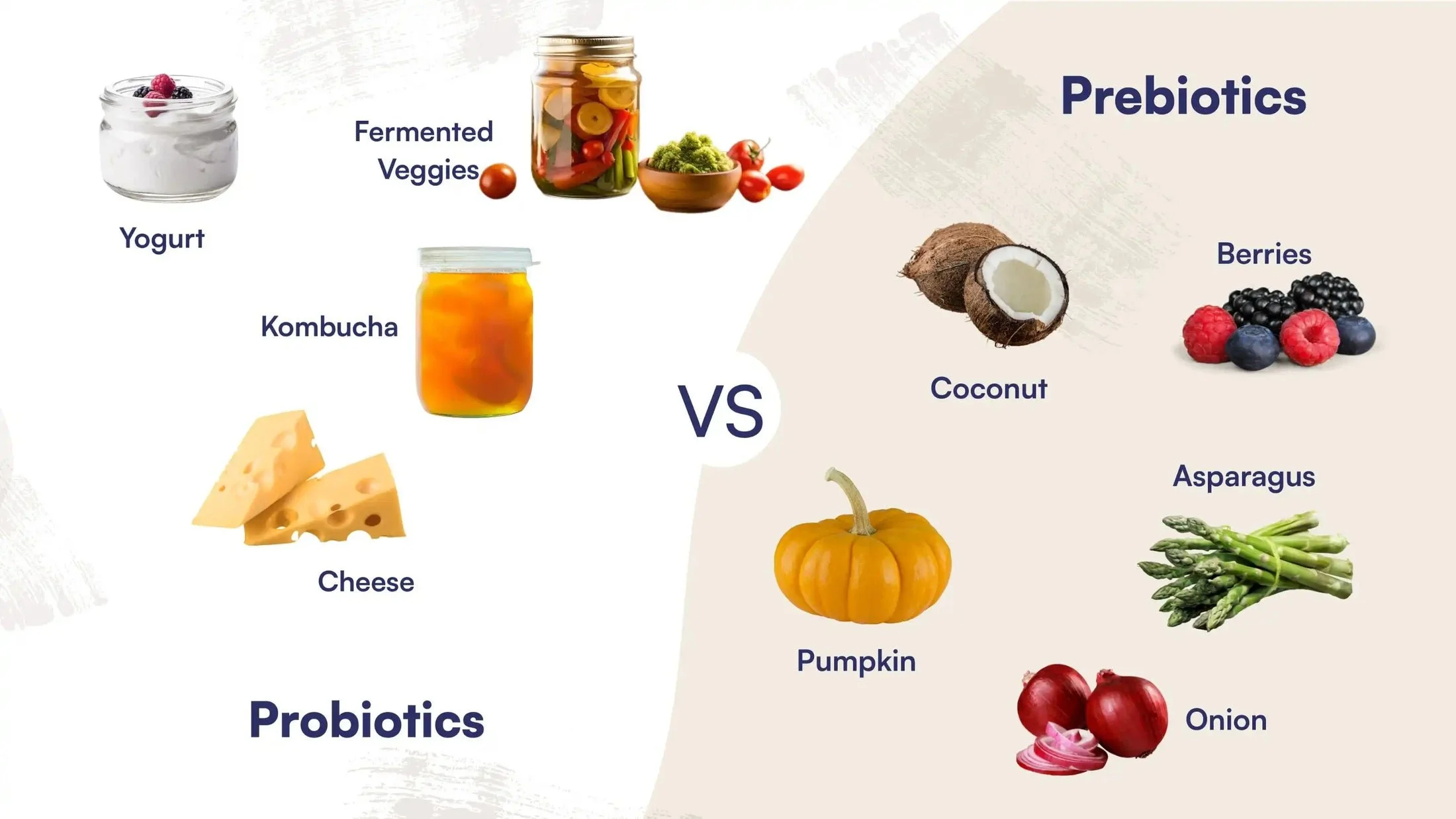
Supporting a healthy population of Bifidobacteria through a diverse, fibre-rich diet, good sleep, stress management and, where appropriate, targeted probiotic therapy may help improve the resilience of your immune system and its ability to respond appropriately to viral challenges.

At Gut Skin Clinic, I don't believe in guessing.
If your microbiome testing shows low or absent Bifidobacteria, the next question isn't simply
"Which probiotic should I take?"
It's:
Why did they disappear in the first place?
Understanding the drivers—whether diet, medications, stress, illness or other factors—allows us to develop a personalised strategy to support your gut ecosystem and overall wellbeing.
And a word on Probiotics
It’s tempting to simply reach for probiotics, however the nuance is often far deeper than take a supplement to simply address the problem.
Not all probiotics are the same so generic over the counter probiotics can often contribute to expensive faeces and create little microbial shift.
Evidence is strongest for specific strains, rather than simply taking products labelled "contains probiotics."
Depending on your health history and results, we may consider strains such as:
Bifidobacterium longum
Bifidobacterium lactis
Bifidobacterium breve
Bifidobacterium infantis
Different strains have different effects, and the most appropriate choice depends on the individual and your results
Victoria’s take home message
Bifidobacteria are far more than "good gut bugs."
They help train your immune system, strengthen your gut barrier, support healthy inflammation and contribute to your whole-body resilience.
While having low levels does not automatically mean poor health, rebuilding a healthy and diverse microbiome through personalised nutrition, lifestyle changes and, where appropriate, targeted supplementation may help support long-term gut and immune health.
Consider personalised analysis rather than generic probiotic prescriptions.
Your microbiome is unique.
If working with a practitioner be curious as to their experience with test result interpretation. Microbiome science is relatively new and reports differ, and are very detailed. This is a hot topic now and many are ordering tests. Understanding your nuance and clinical relevance is vital.
Key References
Mann ER, Lam YK, Uhlig HH. Short-chain fatty acids: linking diet, the microbiome and immunity. Nature Reviews Immunology. 2024.
Rooks MG, Garrett WS. Gut microbiota, metabolites and host immunity. Nature Reviews Immunology. 2016.
Kim CH. Control of lymphocyte functions by gut microbiota-derived short-chain fatty acids. Cellular & Molecular Immunology. 2021.
Mukhopadhya I, Louis P. Gut microbiota-derived short-chain fatty acids and their role in human health and disease. Nature Reviews Microbiology. 2025.
Fijan S, et al. Antimicrobial and Immunomodulatory Effects of Bifidobacterium Strains: A Review. Microorganisms. 2022.
Ryan FJ, et al. Bifidobacteria support optimal infant vaccine responses. Nature. 2025 (commentary in Nature Reviews Microbiology).