
Bifidobacteria Part 2 How to grow more of this healthy microbe
Natural ways to grow your species including foods high in Bifidobacteria
GUT SKIN CLINIC Neutral Bay Sydney
I am on a mission to educate and empower you, supporting you to stay healthy using clear science and best practices.
Last week I wrote about this fascinating and influential gut microbe. Bifidobacterium offers abundant health benefits if well populated in the infant and adult microbiome. Part 2 today is all about what you can do to increase colonisation to achieve your maximum health benefits.
Bifidobacteria are far more than "good gut bugs"
They help train your Immune system, strengthen your gut barrier, support healthy inflammation and contribute to your whole-body resilience.
But how do you ensure a healthy population ?
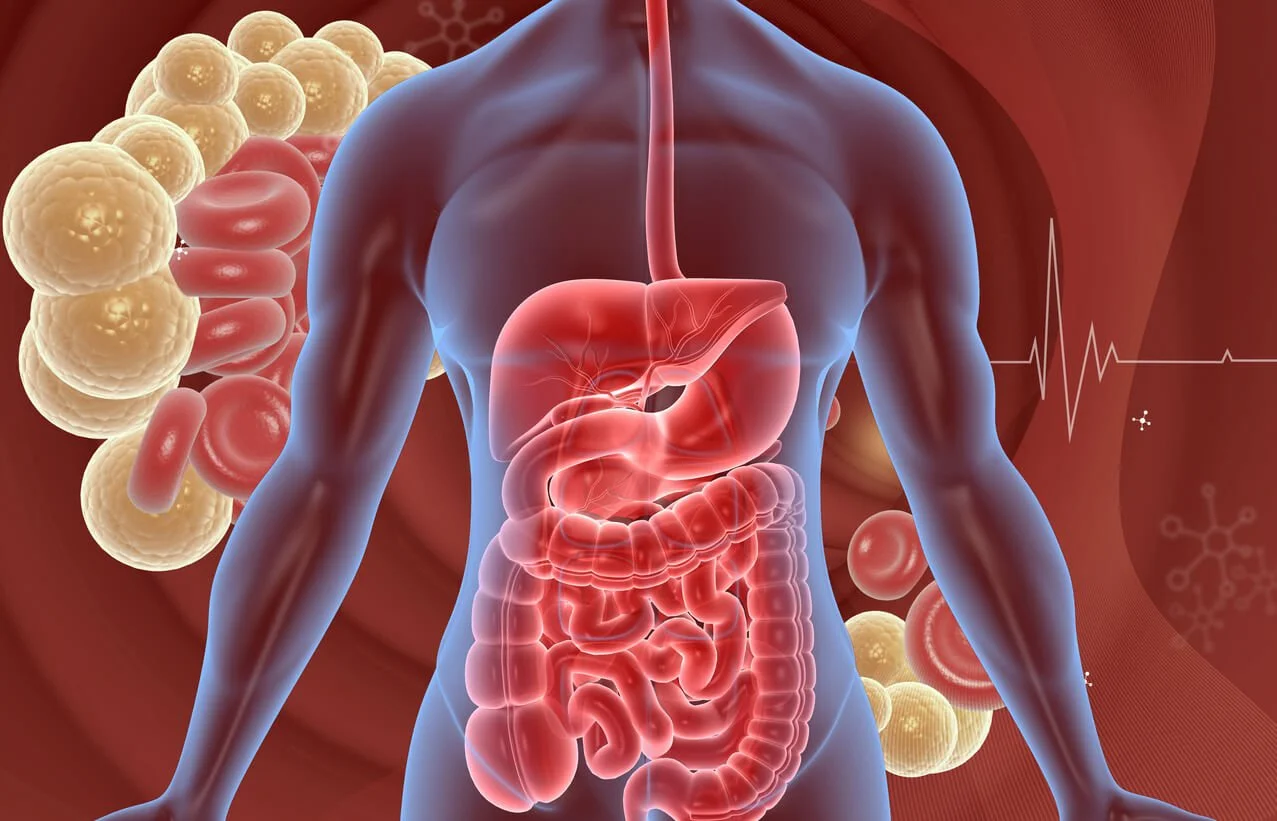
This is important to you if you suffer with symptoms of
Bloating and gas
Irregular bowel movements (loose stools or constipation)
Abdominal discomfort
Fatigue or brain fog that seems linked to meals
Food sensitivities or fluctuations in tolerance
Skin changes that appear to correlate with digestive shifts
These signs reflect a microbiome imbalance (dysbiosis) that may involve Bifidobacteria among other members of your microbial population. Syymptoms can be nonspecific.
At Gut Skin Clinic I remind my patients that their immune system doesn't begin in their bloodstream—it begins in their gut.
Around 70+ % of your immune cells live within and around your gastrointestinal tract, constantly communicating with the trillions of microbes that call your gut home. Among these, Bifidobacterium stands out repeatedly in scientific research:
“There are reportedly 58 species and sub species of Bifidobacterium with around 10-12 species that commonly colonise a healthy and balanced adult microbiome”
If Bifidobacteria are low the science tells us we can risk…
Increased intestinal permeability ("leaky gut")
Reduced production of protective short-chain fatty acids
Less stimulation of protective immune system antibodies
Reduced numbers of regulatory “helper” T cells
Increased inflammatory signalling
Greater susceptibility to infections
Increased risk of allergies and immune dysregulation in susceptible individuals.
This doesn't necessarily mean low Bifidobacteria cause these conditions, but they are frequently seen alongside immune imbalance. I regularly notice this association when reviewing microbiome results against a client’s clinical presentation.
There are 3 main ways to increase your Bifidobacteria.
consuming foods that contain these bacteria
encouraging their growth as active participants in a healthy microbiome
considered and targeted probiotics
Foods that contain Bifidobacterium
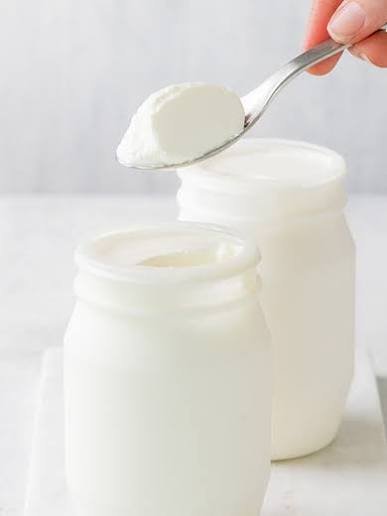
Probiotic Yoghurts
Some yoghurts include Bifidobacterium strains like B. animals subspecies.lactis or B.Longum. You can check labels for specific strain information.
Kefir
Kefir is a fermented milk drink that usually has more probiotic strains than most yoghurts. Some commercial Kefirs are fortified with Bifidobacterim. Look for products that specifically list Bifidobacterium on their labels.
Cheeses
Some probiotic cheeses, like gouda or cheddar may be inoculated with Bifidobacterium. Again, read the ingredient list.
Plant-based probiotic products.
Some non dairy yoghurts and drinks add Bifidobacterium strains, again I suggest looking at labels.
Prebiotic Foods that support Bifidobacterium growth
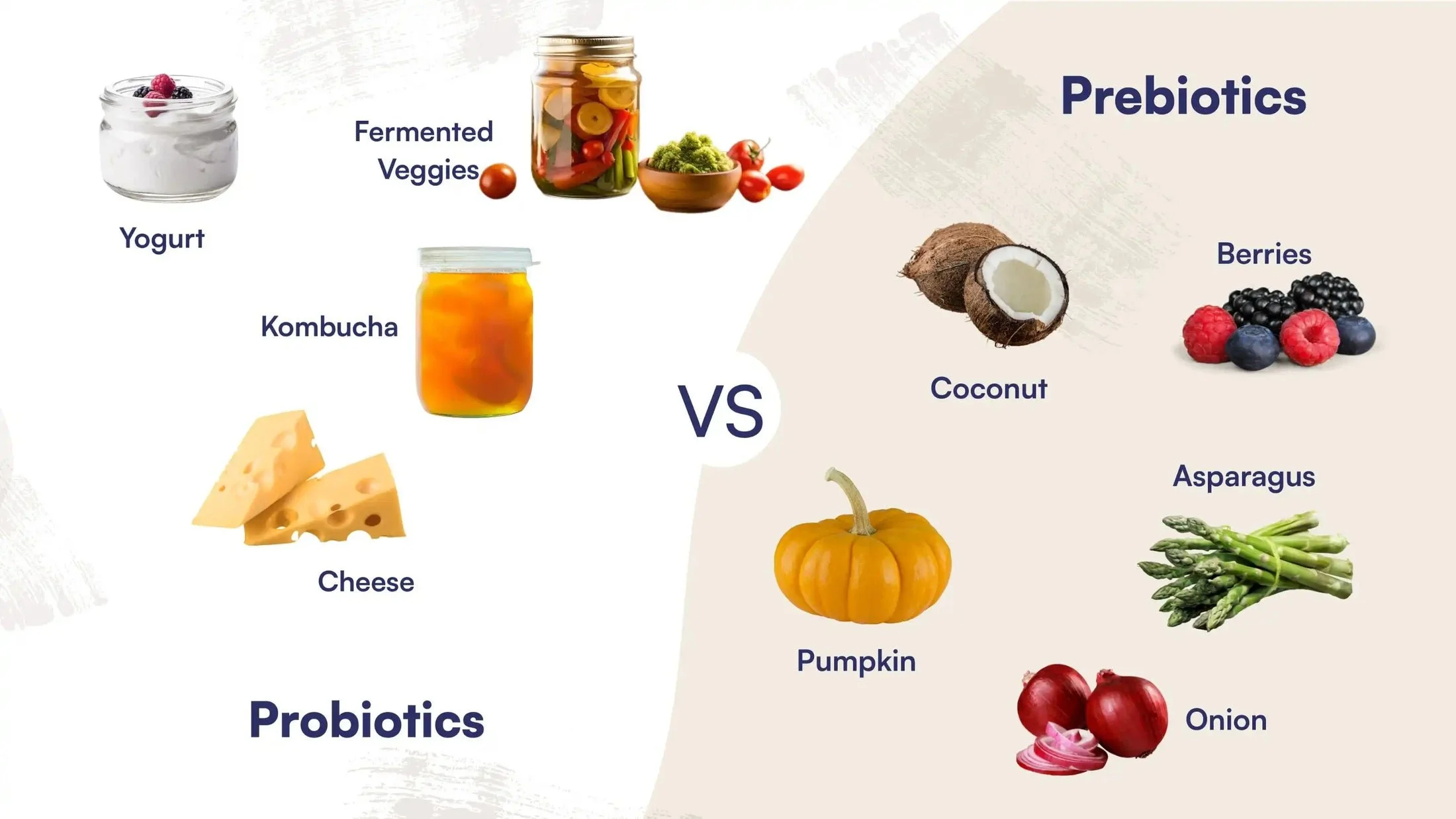
Inulin and FOS - rich foods
such as Chicory root, Jerusalem artichoke, garlic, onions and leeks, asparagus.
GOS sources
Lentils, chickpeas, black beans, kidney beans.
Resistant starch.
Lightly green bananas, cooked and cooled potatoes/rice/pasta/oats.
Whole grains
Oats, barley, wheat bran.
Polyphenol rich foods
Berries, cocoa, green tea, pomegranate.
A word on Greek Yoghurt
Standard Greek yoghurt typically contains the same starter cultures as regular yoghurt, Streptococcus thermophiles and Lactobacillus bulgaricus and usually does not contain Bifidobacterium unless specifically added and listed on the label.
Some probiotic enhanced Greek Yoghurts may include Bifidobacterium strains and I suggest looking for these.
Some Australian brands that contain Bifidobacterium
Jalna Greek Natural and Greek style
Mungalli Creek Dairy Yoghurt + Biodynamic Lactose Free
Chobani Natural Greek
FAGE total plain greek
Evia Greek pro creamy
Wallaby Organic Aussie Greek
I suggest you avoid yoghurt that has been heat treated as this kills the good bacteria. Also avoid products with the phase “does not contain live and active cultures.
Let’s focus on Fibre diversity
Aim for 20-30 different plant foods weekly to provide diverse fibres that support beneficial bacteria including Bifidobacterium. I recommend rotating your fibre sources to avoid over reliance on single fules.
“If you have established Gut issues, launching full on into a whole foods diet containing the above can wreak havoc with your symptoms, particularly if you have established Methane issues when tested.
I guide my patients to go “low and slow” with a gradual introduction strategy and a test don’t guess framework”
Add small amounts of prebiotic rich foods to your meals, sometimes one teaspoon at a time.
Start with 1-2 servings daily and gradually increase to allow your gut to adapt. Combining probiotic and prebiotic foods is synergistic.
Probiotics
It’s tempting to simply reach for probiotics, however the nuance is often far deeper than “take a supplement” to simply address the problem.
“Not all probiotics are the same so generic over the counter probiotics may contribute to expensive faeces and create little microbial shift + potentially more imbalance”
Evidence is strongest for specific strains, rather than simply taking products labelled "contains probiotics."
Depending on your health history and results, we may consider strains such as:
Bifidobacterium longum
Bifidobacterium lactis
Bifidobacterium breve
Bifidobacterium infantis
Different strains have different effects, and the most appropriate choice depends on the individual and your results
Let’s be reminded of the powerful research around Bifidobacteria and Viral infections
The COVID-19 pandemic provided scientists with an unprecedented opportunity to understand how our gut microbiome influences immunity.
Across numerous international studies, one finding appeared again and again:
Patients with moderate to severe COVID-19 consistently had significantly lower levels of Bifidobacteria than healthy controls or those with milder disease.
One of the largest systematic reviews, analysing 25 published studies, concluded that reduced Bifidobacterium abundance was one of the most consistent microbiome findings associated with COVID-19 severity.
While these studies cannot prove that low Bifidobacteria directly caused more severe illness, they strongly suggest that these organisms are an important component of a healthy antiviral immune response.
and, it isn't just COVID
There are excellent human and mechanistic studies showing that low Bifidobacteria are also associated with :
reduced responses to influenza vaccination
higher rates of respiratory tract infections
poorer cancer immunotherapy responses
increased allergy risk
eczema
inflammatory bowel disease
immune ageing ("immunosenescence").
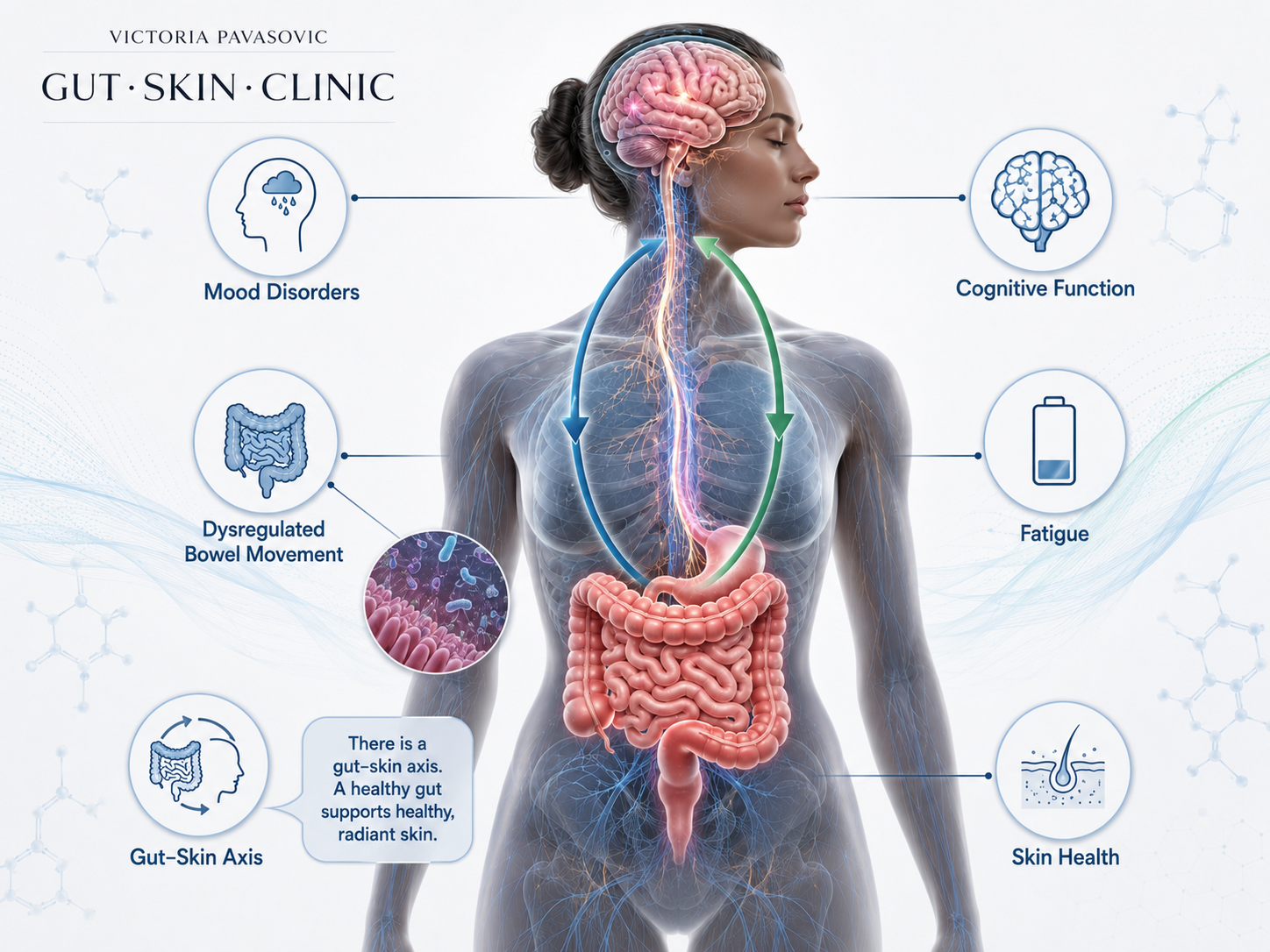
At Gut Skin Clinic I don't believe in guessing.
If your microbiome testing shows low or absent Bifidobacteria, the next question isn't simply
"Which probiotic should I take?"
it's:
“Why did they disappear in the first place?”
Understanding the drivers— diet, medications, stress, illness or other factors allows us to develop a personalised strategy to support your gut ecosystem and your overall wellbeing.
Consider personalised analysis rather than generic probiotic prescriptions.
Your microbiome is unique.
If working with a practitioner be curious as to their experience with test result interpretation. Microbiome science is relatively new and reports differ, and are very detailed. This is a hot topic now and many are ordering tests.
Understanding your nuance and clinical relevance is vital.