
Exosome Therapy for Skin and Hair: How It Works, Exosomes vs PRP, and TGA Approval in Australia
… for Skin Rejuvenation & Hair Regrowth. A powerful tool or LATEST FAD ?
I am on a mission to educate and empower considering the latest in medical literature. This blog does not replace a consultation or a patient client relationship.
The landscape of Skin and Hair health is moving fast and the industry is saturated with new offerings. It must be so confusing for the consumer and as a practitioner cutting through the noise is crucial.
From my perspective:
safety and TGA regulation is paramount
NEW does not necessarily mean BETTER
care with extravagant promises and edited photography, some marketing campaigns are so beautiful but be cautious, check claims and beware of empty marketing hype.
understand the clinic you visit, the training, experience and ethics of the practitioners.
Patients are seeking treatments that prioritise long-term regenerative solutions : Skin quality, Hair health, Whole body health rather than chasing volume-based cosmetic injectables and popular hair loss medications risking side effects.
I am pleased to see this shift into Investigative Regenerative and Preventive care.
While traditional injectables offer structural support, they do not address the common skin and hair concerns I routinely see in clinic
Pigmentation, Acne scarring, Rosacea, Textural premature ageing
Hair Loss and associated poor scalp health.
For many people, preserving healthy resilient and luminous skin is as important to their wellbeing as their whole body health.
Hair thinning and hair loss can also cause significant distress undermining self‑esteem for both men and women.
Blame is typically laid at genetics. My work demonstrates that what manifests at skin and scalp level is an extension of your inner health, not simply your genetics.
I was fortunate to undertake advanced training in regenerative skin care in the UK and France in 2023, focusing on the emerging clinical applications with an emphasis on Exosome therapies — a rapidly expanding field in dermatology, wound healing and hair restoration. I was among the early Australian practitioners to introduce Exosome therapy after its successful clinical adoption in the United States, South Korea and the United Kingdom.
I always say you are what you eat, so for me, nutrition and precision supplements will always be at the forefront of hair loss treatments and beautiful skin.
This is based on effects on structural proteins, antioxidant protection, and metabolic supports.
Dietary factors and micronutrients such as vitamins A, C, D, E, Omega-3 fatty acids, Iron, Biotin, Zinc, and specific amino acids play roles in maintaining hair health, skin barrier function, collagen synthesis, elasticity and reducing oxidative damage associated with aging and environmental stressors.
There was a recent large multi-center study evaluating the efficacy and safety of supplemental supports in a cohort of 95 men and women. Results showed
statistically significant improvement in total hair counts at as early as 90 days
statistically significant decrease in hair shedding as early as 90 days and a 51% decrease at 180 days.
Hair strength and brittleness were improved by day 90 and significantly improved at 180 days.
This supports my belief that diet,nutraceuticals and simple homecare must form part of your overall treatment plan.
Over time, I've proudly developed integrated protocols that combine Exosome therapy with Mitochondrial boosting and targeted gut-support plans to support whole body health and restore hair and skin health at their root—way beyond surface treatments and creams.

So what are Exosomes ?
Firstly and most importantly, they are an INVESTMENT.
Exosomes are nano-sized extracellular vesicles naturally released by cells. They play a critical role in cell-to-cell communication, carrying biologically active molecules such as:
Proteins and enzymes
Growth factors
Lipids
Messenger RNA (mRNA) and micro-RNA (miRNA)
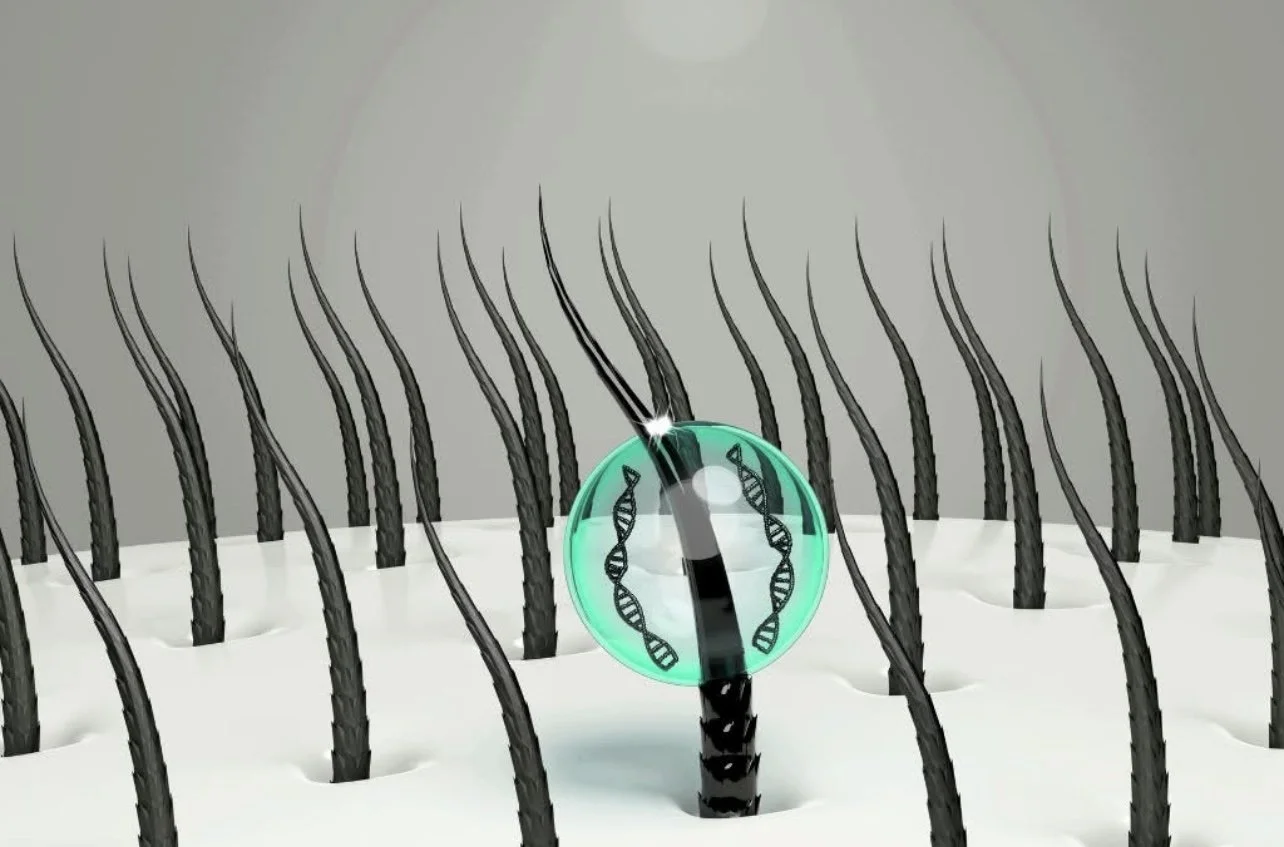
Importantly, exosomes are not living cells. They do not replicate, contain no human DNA, and are not classified as stem cells. Instead, they act as biological messengers, supporting tissue repair and signalling of regeneration.
In dermatology and trichology (the study of hair loss) research, exosomes have been shown to influence pathways involved in:
Collagen and elastin production
Wound healing and barrier repair
Inflammation regulation
Hair follicle cycling and scalp health
Is Exosome Therapy Right for You ?
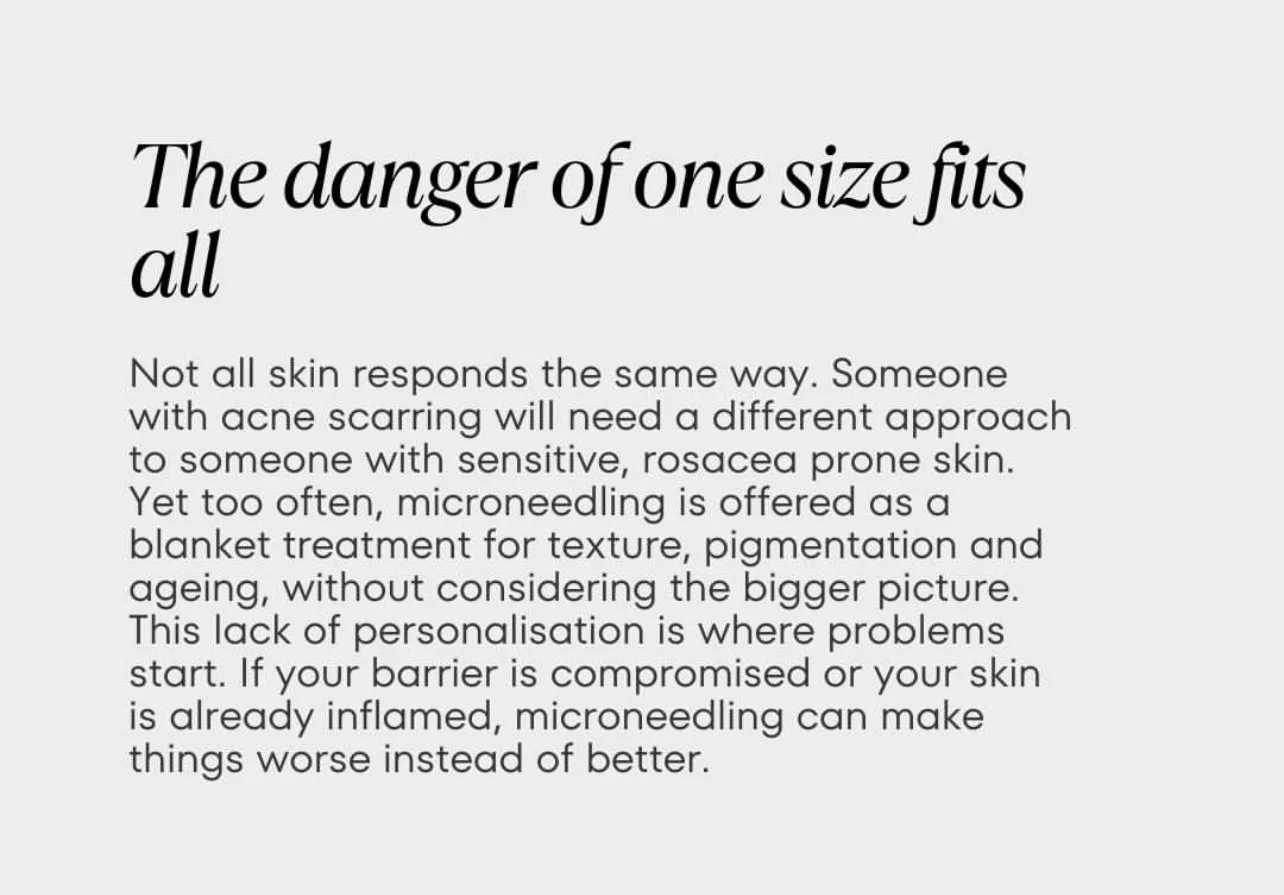
Exosome therapy is not a one-size-fits-all solution.
I believe it is most appropriate for men and women seeking:
Skin rejuvenation without volume-based injectables
Support for compromised, inflamed or ageing skin
A dynamic evidence-informed approach to skin and scalp health in combination with nutrition and lifestyle precision.
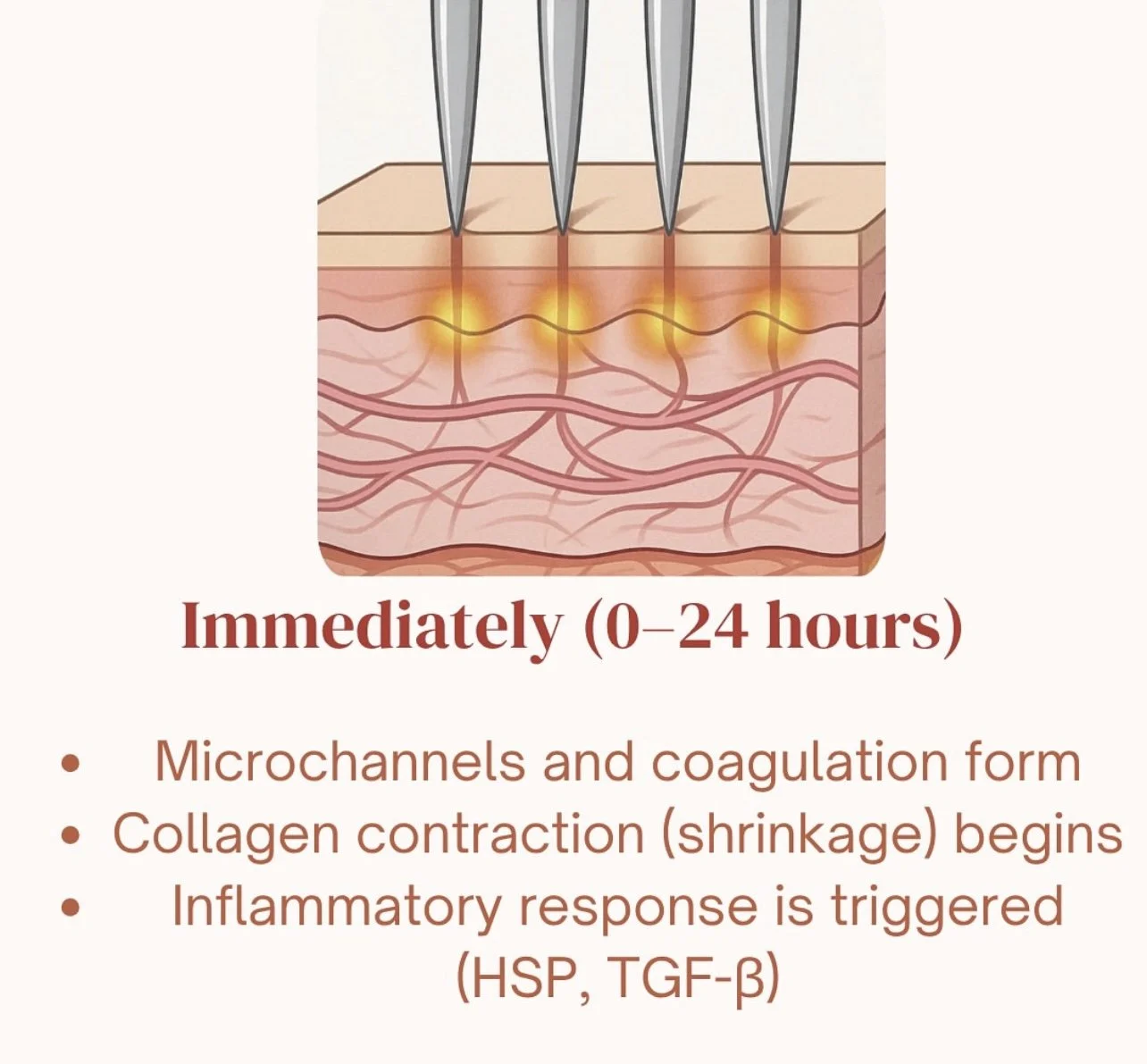
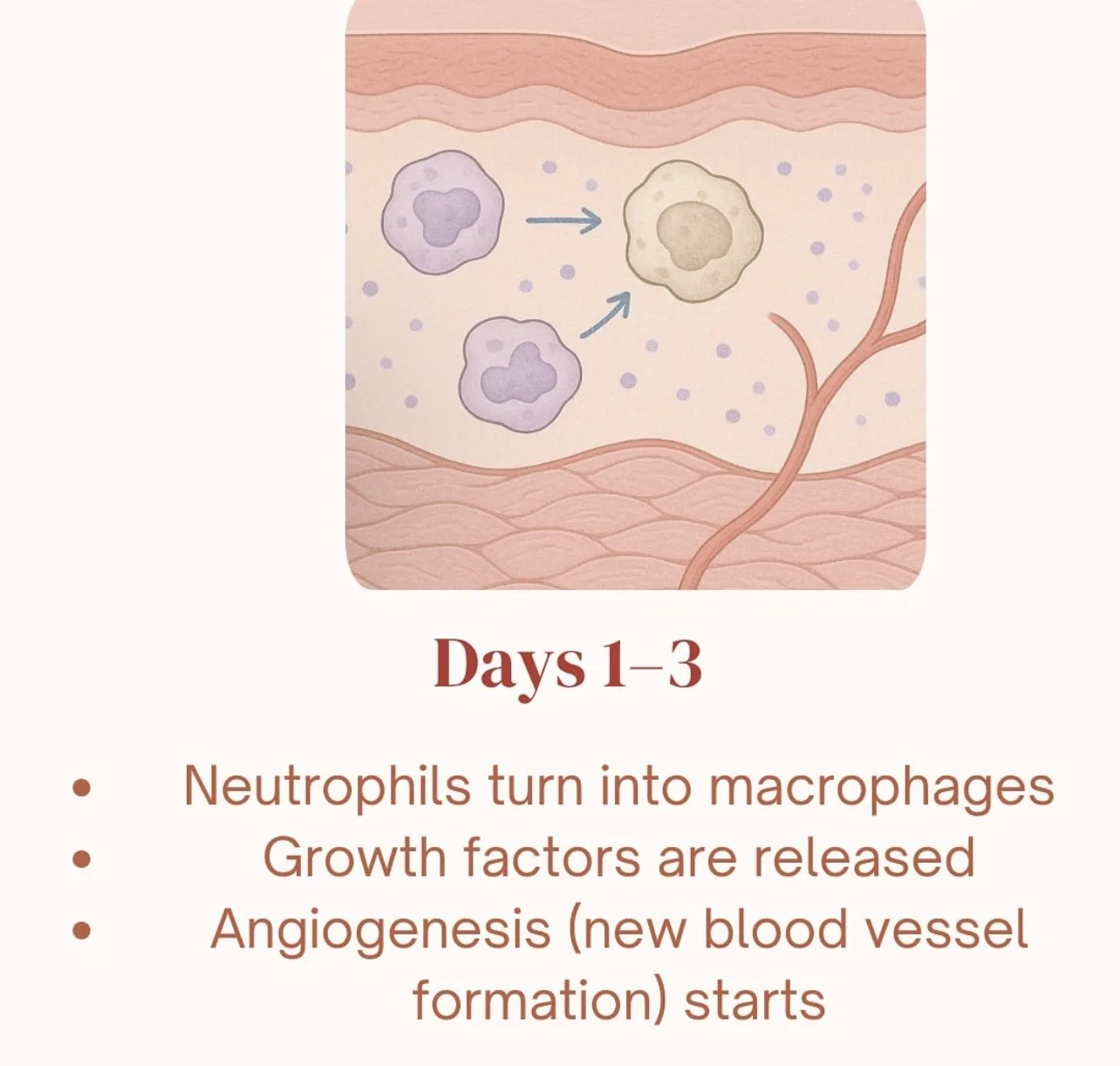
Exosome formulations used in clinic are highly purified and acellular, designed to support the skin’s own regenerative capacity.
Here are some significant numbers:
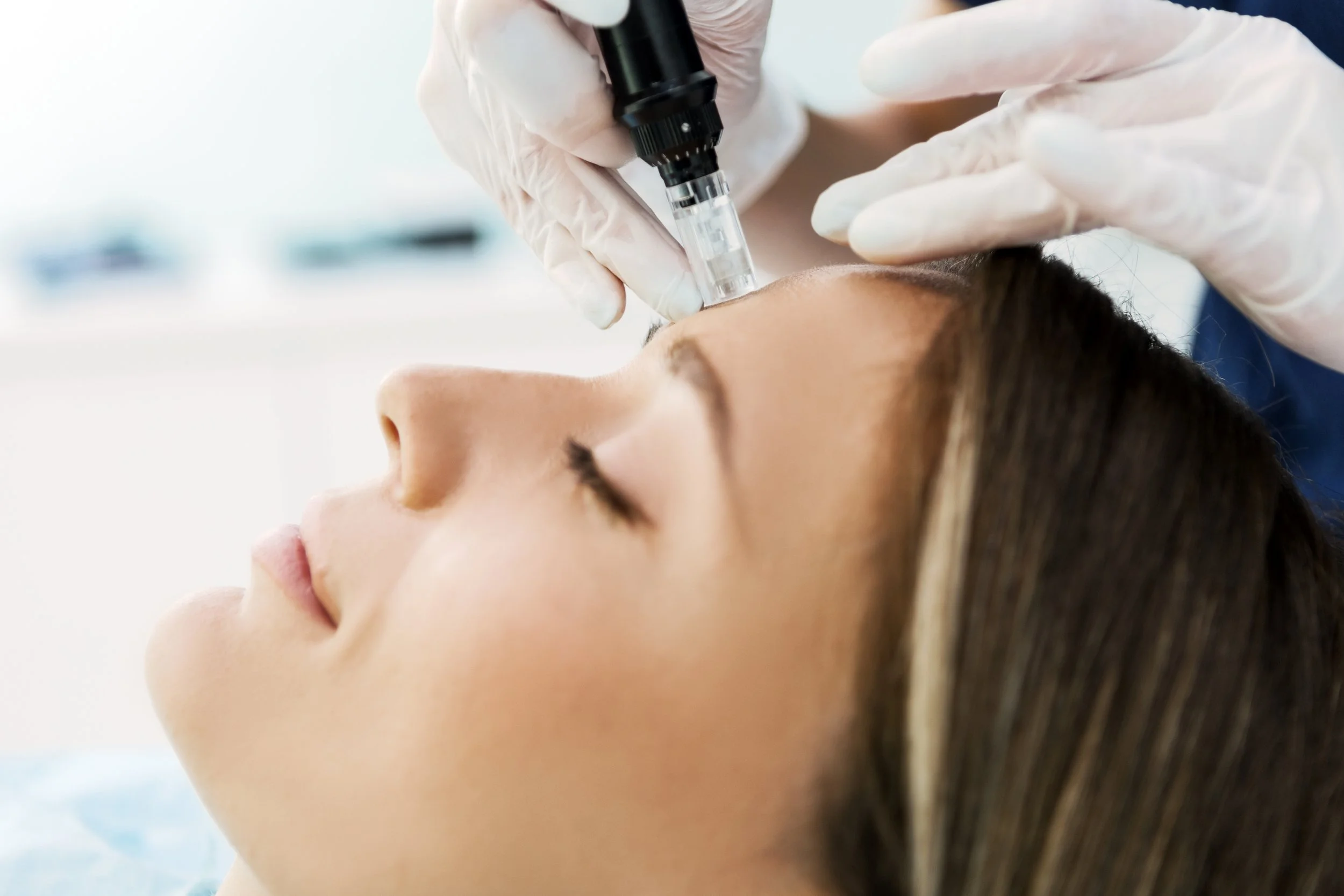
When I use Exosomes during micro-needling collagen induction therapy about 7,000 Exosomes will fit onto the end of a single 33-guage needle.
One oscillation of the micro-needling cartridge can deliver 112,000 Exosomes into the skin.
If used at top speed of 120 rps, 13,440,000 Exosomes can potentially be delivered per second, with the potential for 806,400,000 Exosomes to be delivered per minute.
That’s a significant and highly relevant number of Exosomes with regeneration capability being dispersed deeply and proportionately into your skin. (Data from DP Dermaceuticals 2023)
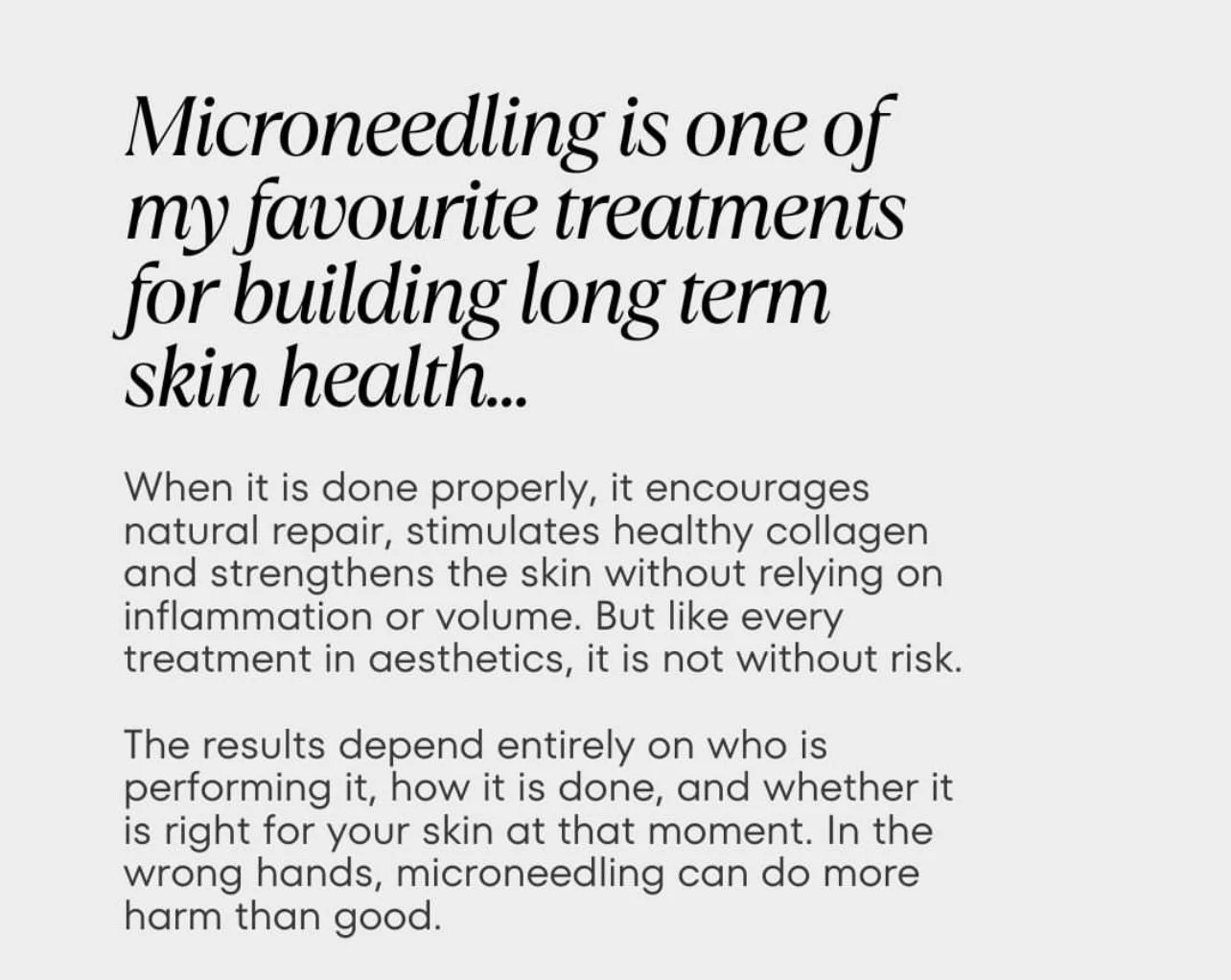
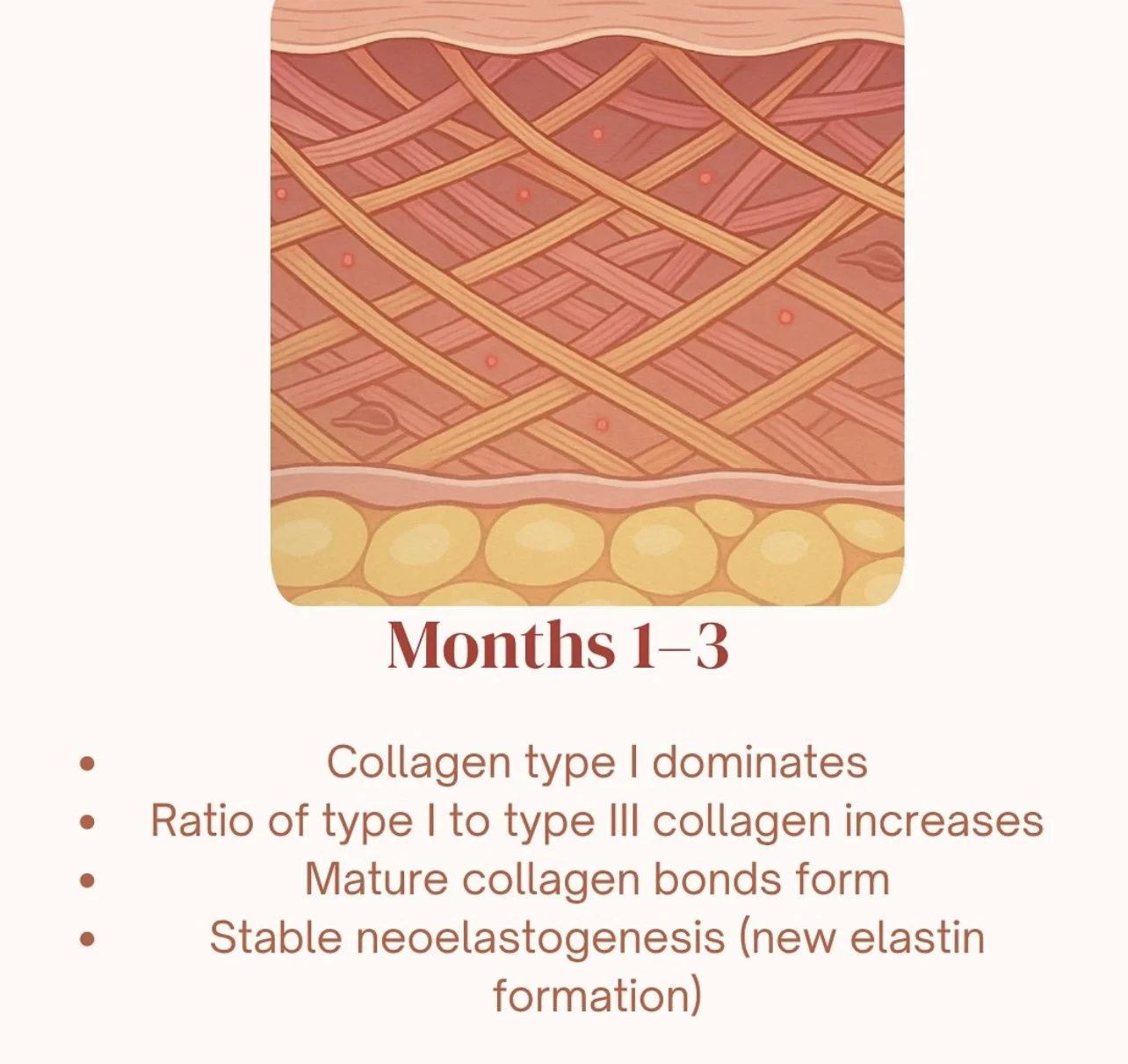
Microneedling alone stimulates the skin’s natural repair cascade through controlled micro-injury. When paired with concentrated Exosomes, this approach enhances cellular signalling during the healing phase, supporting improved skin recovery and quality over time. In clinic i observe skin to appears brighter, more youthful, clearer.
This delivery method allows for:
Minimal downtime for most patients
Reduced risk of bruising compared to injectable procedures
An intentional focus on regeneration rather than simply volume replacement
How Does This Differ from PRP or Stem Cell Therapy?
Firstly, every patient has their own unique characteristics so different applications suit.
Platelet-Rich Plasma (PRP)
PRP uses growth factors derived from your own blood and has demonstrated benefits in wound healing and skin rejuvenation. It remains a very valuable modality and is most suitable for specific patients.
Exosome-based therapies
A cell-free alternative that does not require blood collection and may provide a broader and potentially stronger range of regenerative signals.
Stem Cell Therapies
Injectable stem cell therapies for Skin and Hair purposes are not TGA-approved in Australia and often involve invasive harvesting procedures.
Exosomes by contrast if used topically or via skin-needling techniques are TGA approved in Australia.
What to Expect from treatment in clinic
A comprehensive consultation and skin/scalp assessment
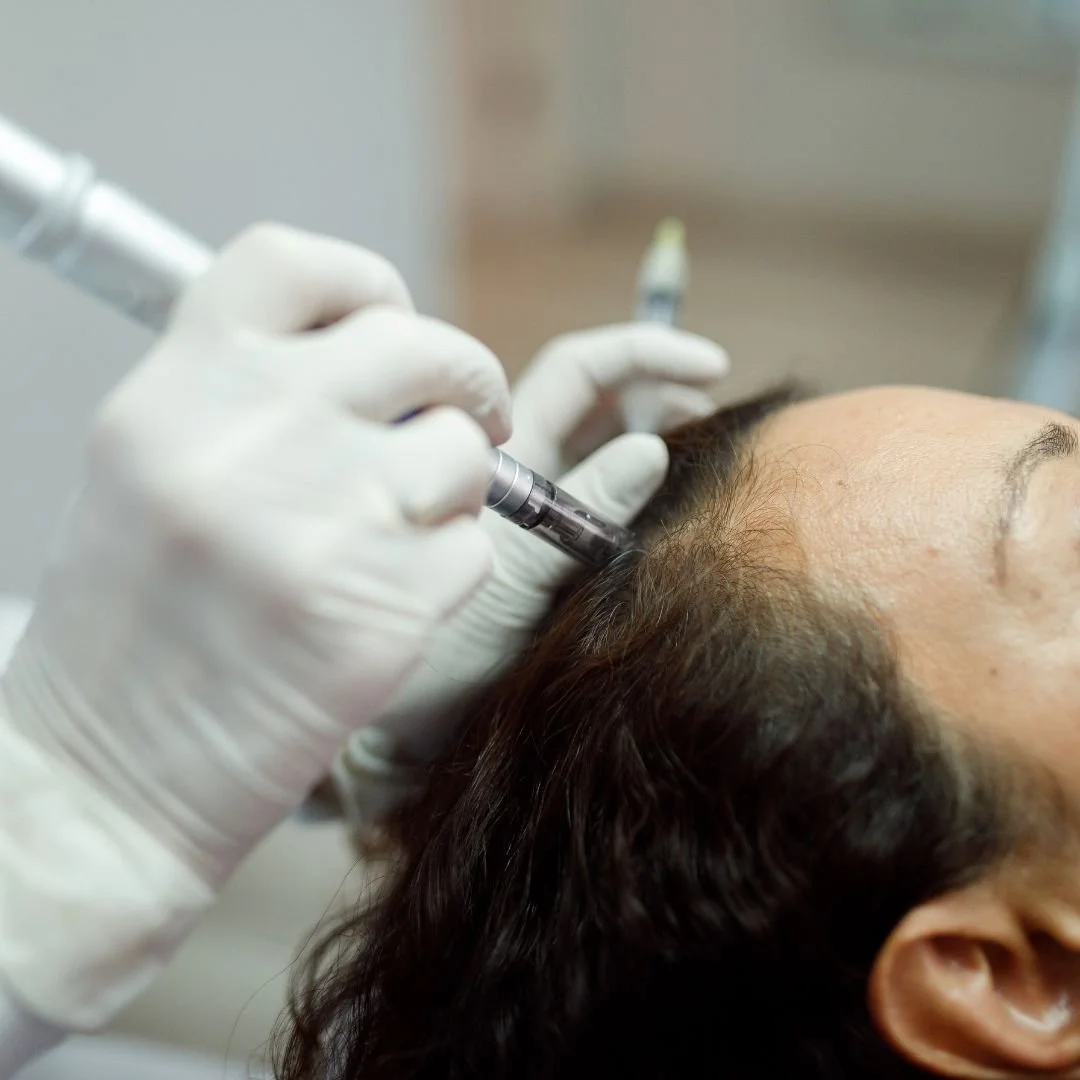
Microneedling sessions combined with an Exosome-containing serum, tonic or Shampoo / Conditioner suitable to you
Post-treatment calming therapies such as LED light therapy to reduce inflammation, enhance circulation and support collagen and scalp health.
Personalised and tailored Exosome home-care support for skin or scalp between treatments.
A word on EXO-GROW and EXO-SKIN by Dermaceuticals
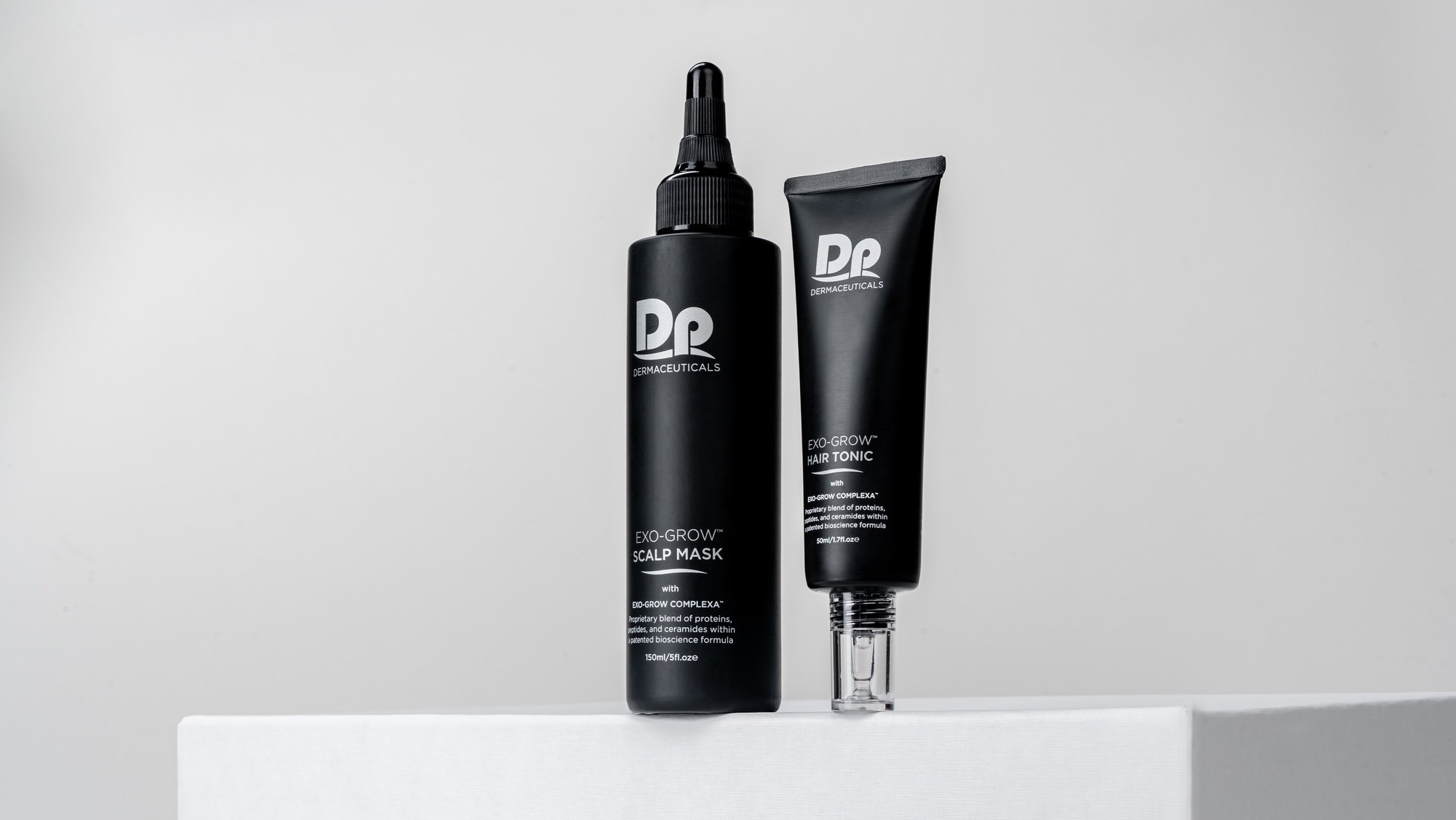
These High quality Australian professional-grade products use patented immune-tolerant exosome technology, the HLA-G COMPLEXA for Skin and for Hair. Immune tolerant meaning they have been created to hang around for longer. Rich in peptides, ceramides, amino acids and plant extracts, and designed as my microneedling companions. Clinically proven (company research) to outperform minoxidil by 160% in potency for hair loss.
The most appropriate way to explore this therapy is through a one-on-one consultation, where suitability, safety and your realistic outcomes can be discussed.
Important Information from AHPRA
The information provided on this page is for your general education only and is not intended as medical advice. If you are receiving this blog you have been or are a current patient of clinic or signed up for educational purposes.
Exosome-based therapies are considered an emerging area of regenerative medicine. While early research is promising, outcomes cannot be guaranteed and responses differ between individuals.
Any discussion of potential benefits relates to findings reported in scientific literature and does not constitute a claim of cure, guarantee or superiority over other treatments.
All treatments offered are subject to an individual consultation, medical history review and informed consent process.
In accordance with AHPRA advertising guidelines, before-and-after images are not displayed to the general public.
Treatment outcomes, risks and alternatives will be discussed thoroughly during your consultation.
References
Hu L, et al. (2016). Exosomes derived from human adipose mesenchymal stem cells accelerate cutaneous wound healing. Stem Cell Research & Therapy, 7, 1–12.
Kim YJ, et al. (2020). Exosomes derived from human umbilical cord mesenchymal stem cells improve skin rejuvenation. Journal of Cosmetic Dermatology, 19(6), 1374–1381.
Cho BS, et al. (2018). The role of exosomes in hair growth and scalp regeneration. International Journal of Molecular Sciences, 19(1), 1–14.
Wang L, et al. (2022). Stem cell-derived exosomes in dermatology and aesthetic medicine. Frontiers in Cell and Developmental Biology, 10, 1–15.
Zhang B, et al. (2015). Mesenchymal stem cell-derived exosomes promote wound healing through enhanced angiogenesis. Stem Cells Translational Medicine, 4(7), 781–792.
Chan KWL, et al. Polynucleotides in aesthetic medicine: a review of current practices and perceived effectiveness. Int J Mol Sci.
2024;25(15):8224. doi:10.3390/jms25158224.
J Januszewski, et al. Nutritional Supplements for Skin Health-A Review of What Should Be Chosen and Why,
Medicina (Kaunas) Dec 29;60 Dec 2023