
Immunobiotics.. an exciting evolution in Microbiome Science
Teaching your Immune System through your Gut … what are the implications for your skin and whole body health?
This article is intended for educational purposes only and does not replace personalised consultation or medical advice.
Clients often come to me so overwhelmed by advice and disillusioned about the quality of their skin and its care.
Via Microbiome sampling we uncover a unique, exquisite and triggering part of their health puzzle. An over zealous, over reactive immune system, doing what it’s been programmed to do reactively, for decades.
And the messages they may be receiving, that are SCREAMING at them are playing out in their skin, their joints, their moods.
Remain curious as they may not need more steroid creams or more Roacutane.
Maybe their skin is talking to them and what is needed is more information, more clarity.
To understand its language.
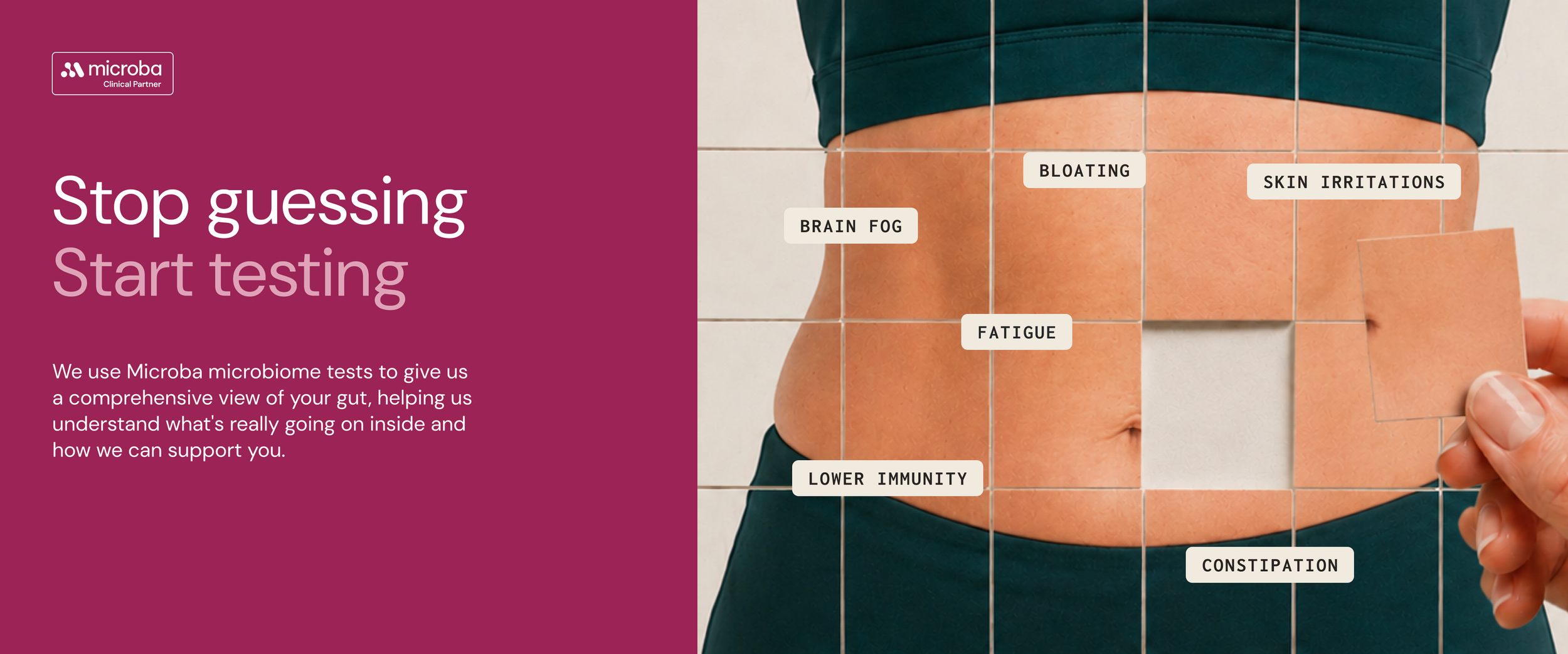
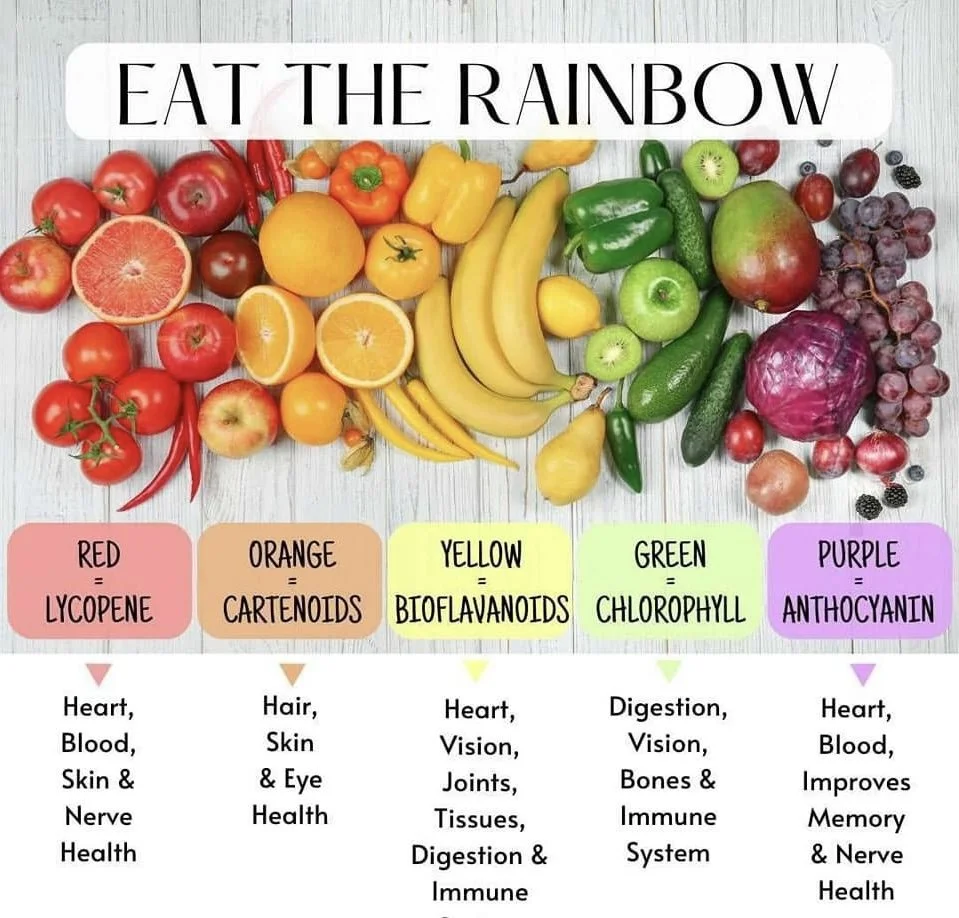
“What if we are in a situation where the way we eat and the nutrients we consume have the potential to shift the health of our whole body’s immune system and its signals ?”
“And what if this had the potential to effect our skin, our hair, our joints, our brain, heart and every organ system within ?
Immunobiotics represent one of the most fascinating frontiers in modern microbiome science — not simply changing the bacteria we carry, but changing the entire biological conversation occurring between your microbes and your immune system itself.
Today, I want to try to join the dots for you on very powerful microbiome research.
For years, we have heard about probiotics — the “good bacteria” that support digestive health, now modern microbiome research is exploring something even more fascinating: immuno-biotics.
These are specialised microbes or microbial compounds that interact directly with your immune system and help regulate how your body responds to inflammation infection, allergies and environmental stressors.
Think of them less as “gut bugs” and more as tiny biological messengers helping the immune system decide :
when to react
when to calm down
how to maintain balance.
At Gut Skin Clinic, this concept is particularly relevant because your immune system your gut barrier, skin health and chronic inflammation are deeply interconnected.
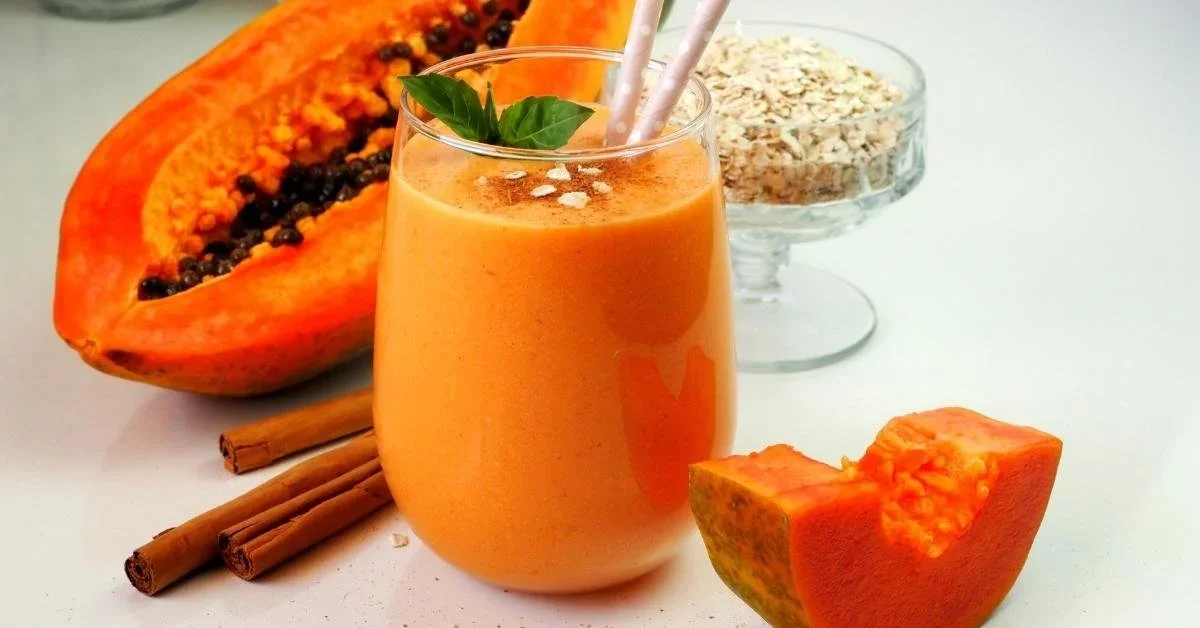
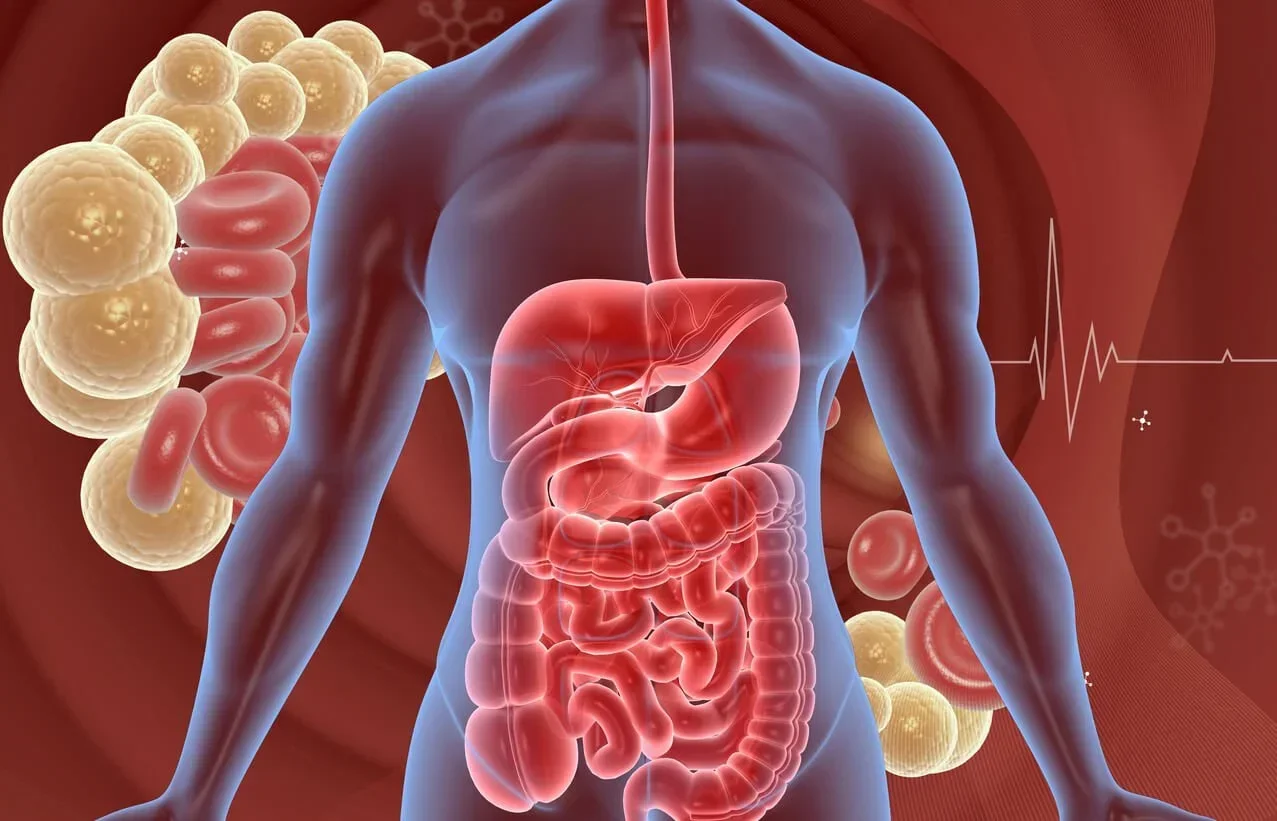

Your Gut is home to 70% of your Immune System
Much of the body’s immune activity is associated with the lining of your gastrointestinal tract.
It acts as an intelligent barrier between the outside world and the internal immune system. Every day it assesses:
Food particles
Environmental toxins
Viruses and bacteria
Stress signals
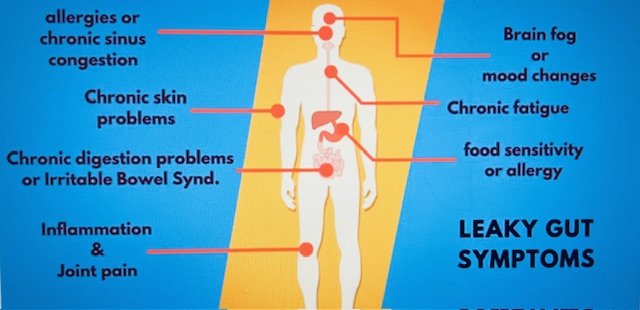
When the gut barrier becomes disrupted — sometimes referred to as increased intestinal permeability or “leaky gut”, your immune activation can become excessive, this may contribute to:
Food sensitivities
Alternating and unsociable bowel habits
Allergic responses, autoimmunity
Inflammatory skin conditions
Fatigue
Recurrent infections
This is where immunobiotics may play an important role.
What makes an Immunobiotic different?
Traditional probiotics are generally live micro-organisms intended to support microbial balance.
Immunobiotics, however are selected for their ability to communicate with immune receptors and influence immune signalling pathways.
Interestingly, some immunobiotics do not even need to be alive to exert effects.
One example discussed in emerging research is a heat-killed strain called HKL-137, derived from Lactobacillus plantarum ……. components of this bacterial cell wall may activate beneficial immune pathways even after the organism has been inactivated.
This concept challenges the long-held assumption that probiotics must always be live organisms to be effective.
According to technical data from Australian company Cell Logic, the organism was heat-treated at a precise stage of growth to optimise immune-signalling molecules embedded within the cell wall.
What I found fascinating is that the organism is potentially more immunologically powerful once dead.
So how do Immunobiotics work?
The immune system uses specialised receptors called Toll-like receptors (TLRs) to recognise microbial signals.
Certain bacterial compounds can interact with these receptors and influence immune behaviour.
This interaction may help:
Regulate inflammatory responses
Enhance antiviral signalling
Strengthen gut barrier integrity
Influence production of natural killer (NK) cells (the good guys)
In simple terms, immunobiotics may help the immune system become more balanced and adaptable rather than excessively reactive.
The Gut Barrier: why it matters
One of the most important emerging areas of immunobiotic research is the gut epithelial barrier itself.
These cells line your gut and are connected by structures called tight junctions — microscopic seals that determine what is allowed through into your bloodstream.
When these junctions become compromised, unwanted inflammatory compounds may cross into circulation more easily creating a systemic “perfect storm” of inflammation.
Research suggests some immunobiotics may activate pathways involved in maintaining these tight junction integrity and supporting the gut barrier.
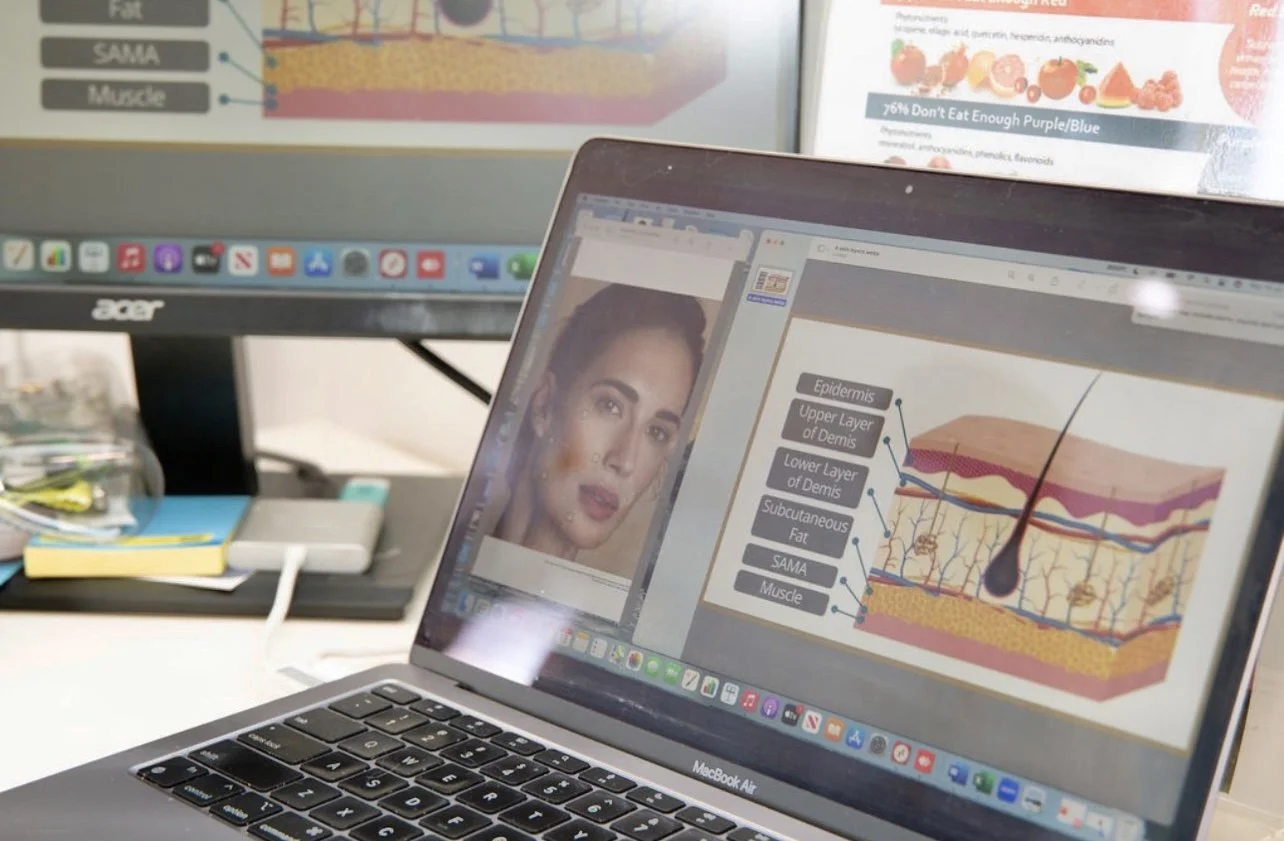
Immunobiotics and Skin health
The skin and gut communicate constantly through immune, hormonal, and inflammatory pathways — often referred to as the gut–skin axis.
Be curious as microbiome-targeted therapies may influence:
Inflammatory skin conditions
Wound healing pace and quality
Oxidative stress broadly
Skin barrier function
Immune resilience
Interestingly, preliminary studies involving Lactobacillus plantarum derivatives have explored effects on skin repair and immune modulation.
This does not mean immunobiotics are a “cure” for skin disease, but they may represent part of a broader systems-based approach to supporting skin health from within.
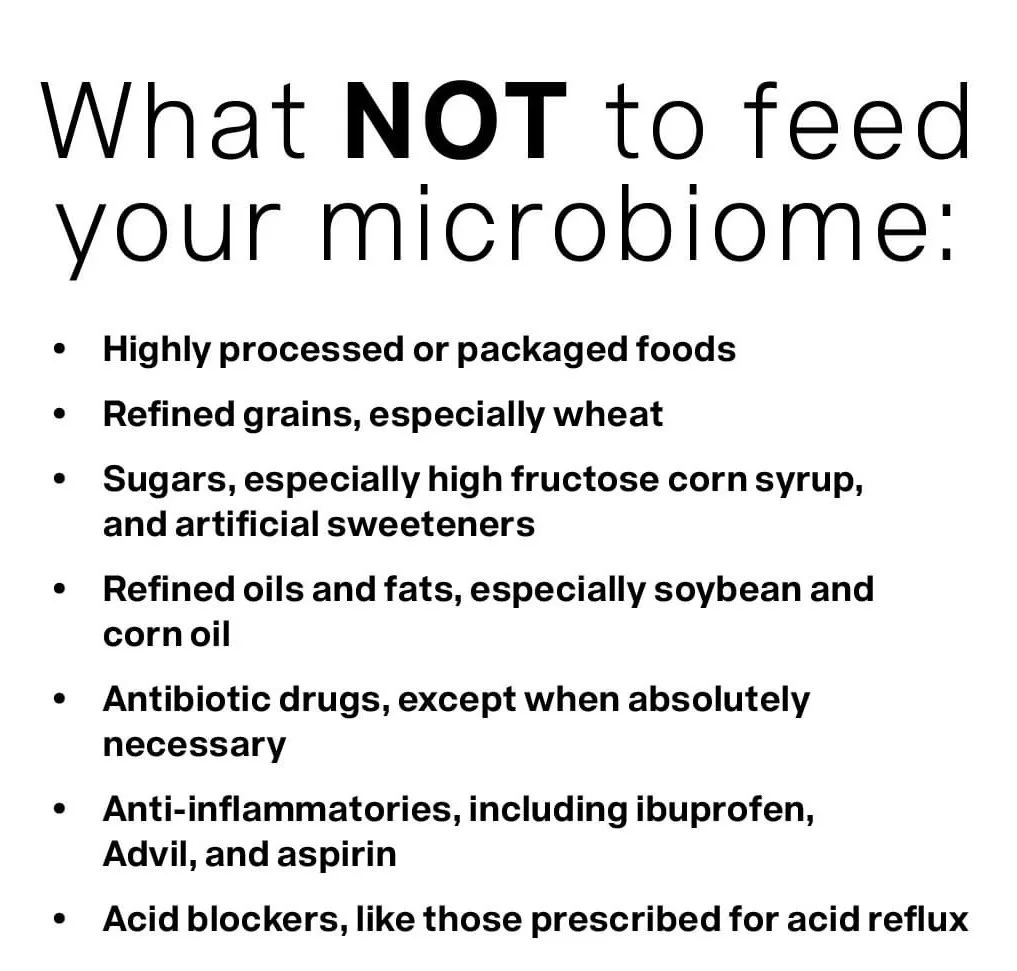
“There is an important principle in microbiome medicine:
The goal is not simply adding bacteria — it is supporting an entire microbial ecosystem, in the gut AND across your whole body”
So you want the details of the research ?
The science of immunobiotics is still evolving, but several important papers have explored the interaction between microbial signals and immune regulation.
Key Research Papers
1. Clancy RL. “Immunobiotics and the probiotic evolution”
This paper explored how microbial-derived immune signalling may help regulate mucosal immunity and immune resilience.
2. Villena J et al. “Immunobiotics for the bovine host”
While focused partly on veterinary immunology, this research helped establish broader mechanisms by which microbes influence innate immune pathways.
3. Shida K & Nanno M. “Probiotics and immunology”
A foundational review examining how probiotic organisms interact with gut-associated lymphoid tissue and immune regulation.
Additional emerging research is now exploring:
Viral immunity
Allergy modulation
Autoimmune signalling
Neuroinflammation
The gut–brain–immune axis
While immunobiotics are scientifically exciting, it is important to avoid overstating claims.
YOUR microbiome is highly individual and your immune health depends on many foundational factors.
No supplement replaces these foundations.
Microbiome-directed therapies — including immunobiotics — may excitingly become an increasingly important part of preventative and regenerative health strategies going forward.
I am certaininly now using them as targeted supports in clinic.

My final thoughts
The future of medicine is moving away from viewing microbes purely as threats and this is powerful
Instead, we are beginning to understand that certain microbial signals may help train regulate and calm the immune system in ways that influence your gut, skin, metabolism, hormones and whole-body inflammatory health.