
Could your Gut Microbiome be driving your Allergies?
Why the health of your gut may influence your skin, immune system and allergic presentations.

Why have I suddenly developed allergies when I never had them before?
Is this you ? Maybe you have a persistent skin rash that won't settle or unexplained and increasing food reactions, seasonal hay fever or asthma that seems to worsen each year. We are only really starting to understand that your gut and its ecosystem may have a seat at this table.
Research over the past decade has transformed our understanding of allergy. Rather than viewing allergies simply as a reaction to “something”, an overreaction of your immune system, scientists now recognise that the trillions of microbes living in our gut, on our skin and throughout our airways play a fundamental role in teaching our immune system what is harmful— and what is not.
Your Immune System starts with your Gut
Around 70% of your immune system is associated within your gastrointestinal tract.
Every day, your immune cells communicate with trillions of bacteria, fungi and other microorganisms collectively known as your microbiome.
A healthy, diverse microbiome helps your immune system learn “tolerance” in other words it is teaching your immune system how to behave.
It recognises harmless substances like foods, pollens and environmental particles without mounting an unnecessary inflammatory response BUT when this delicate ecosystem becomes disrupted—a condition known as dysbiosis—that education process begins to shift.
Instead of tolerance, the immune system may become increasingly reactive and you can wear the response in many places.
Depending on your unique makeup, you could experience :
Eczema
Hay fever
Food allergies
Asthma
Sensitive skin
Chronic inflammation
Migraines
Sore joints
Painful periods
Importantly, research suggests these gut based microbial changes often occur before allergic disease develops.
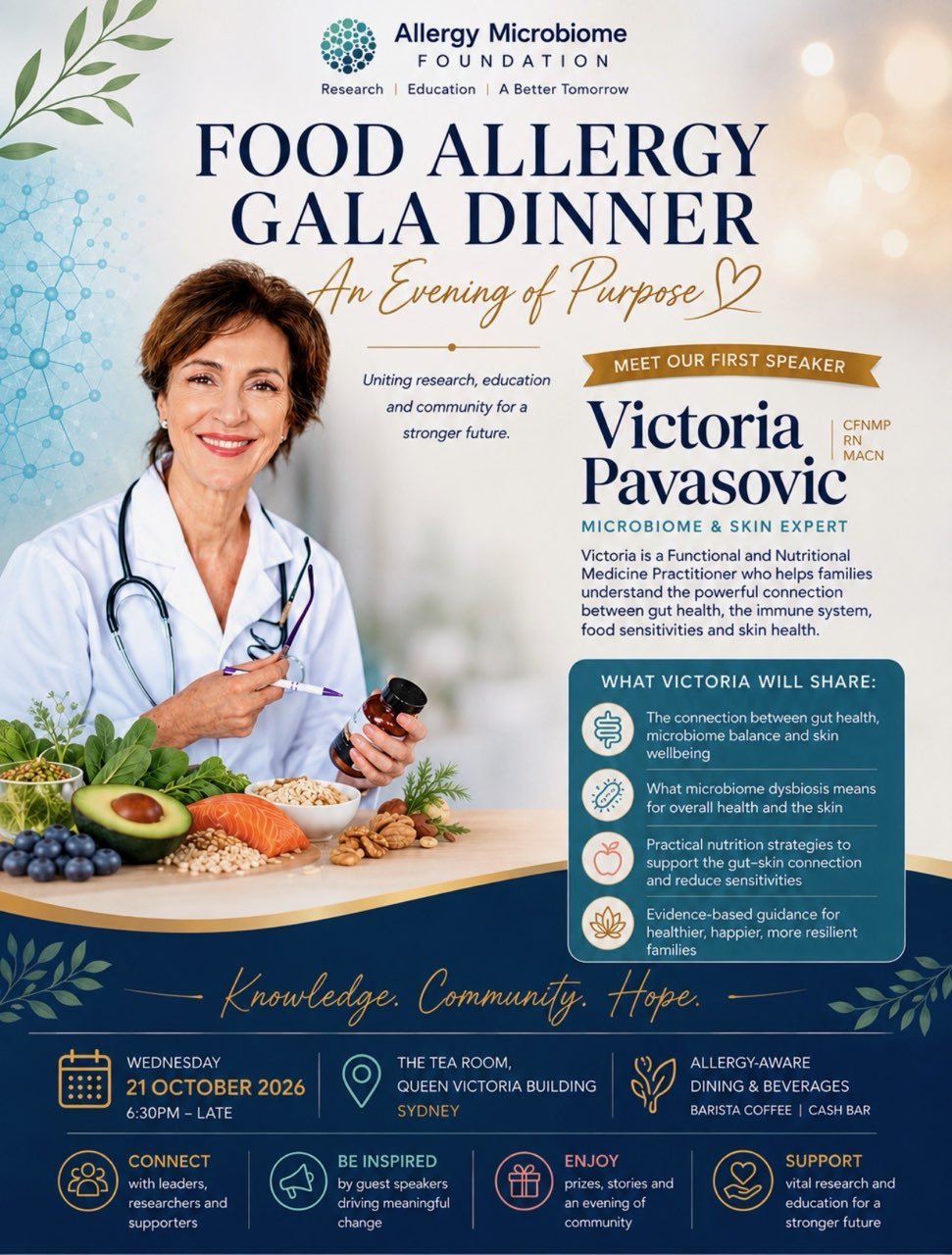
What if the foods you love like avocado, eggs, nuts, even healthy smoothies suddenly started making you feel worse ?
For many people dealing with food sensitivities, that’s exactly what happens. At first, you remove one or two foods. Then a few more.
Gluten. Dairy. Soy. Eggs. Nuts. Nightshades.
Before long, you’re eating fewer and fewer foods… yet the symptoms don’t seem to improve. If that sounds familiar, there may be an important reason why.
Many people assume the food itself is the problem. But in reality, food is often just the trigger, not the root cause.
Think of it like this: When your body is already inflamed or out of balance, certain foods can act like gasoline on a fire. Removing those foods may reduce the flare-ups temporarily, but the underlying fire is still burning.
Which is why elimination diets alone rarely solve the problem long-term.
Food fear and food anxiety develops.
I’ve seen this so many times in clinic when patients are restricting important foods, eating such a small repertoire of foods, and their symptoms have not improved….. I commonly see this with blanket FODMAP restriction with no testing or informed clinical judgement.
To truly heal, we need to understand you more deeply.
and … it’s time to reconsider the food fear !

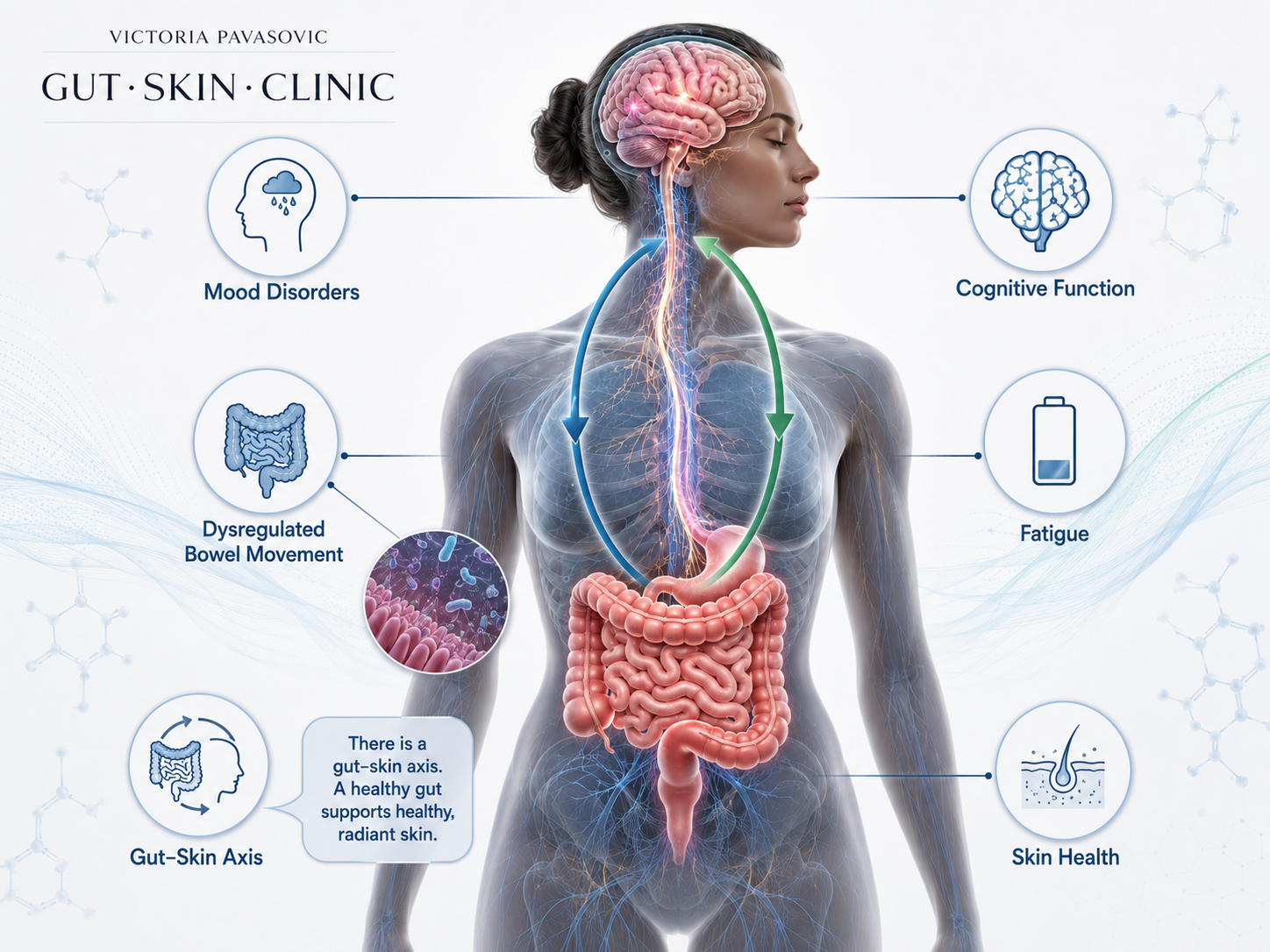
Consider the skin…. many for example think of eczema as "just a skin problem." In reality, your skin is one of the body's largest immune organs and it can commonly play out with skin allergies and sensitivities.

The Gut-Skin Axis is now increasing in the scientific literature. Signals originating in the intestine influence skin barrier function, inflammation and immune responses.
When beneficial bacteria produce healthy by products they help:
• strengthen the gut lining
• reduce inflammatory signals
• support healthy immune regulation
• improve skin barrier function
Conversely, an unhealthy microbiome may increase intestinal permeability ("leaky gut"), allowing inflammatory molecules to circulate throughout the body and contribute to skin inflammation.
This may explain why some patients notice improvements in their skin when gut health is addressed alongside traditional dermatological care.
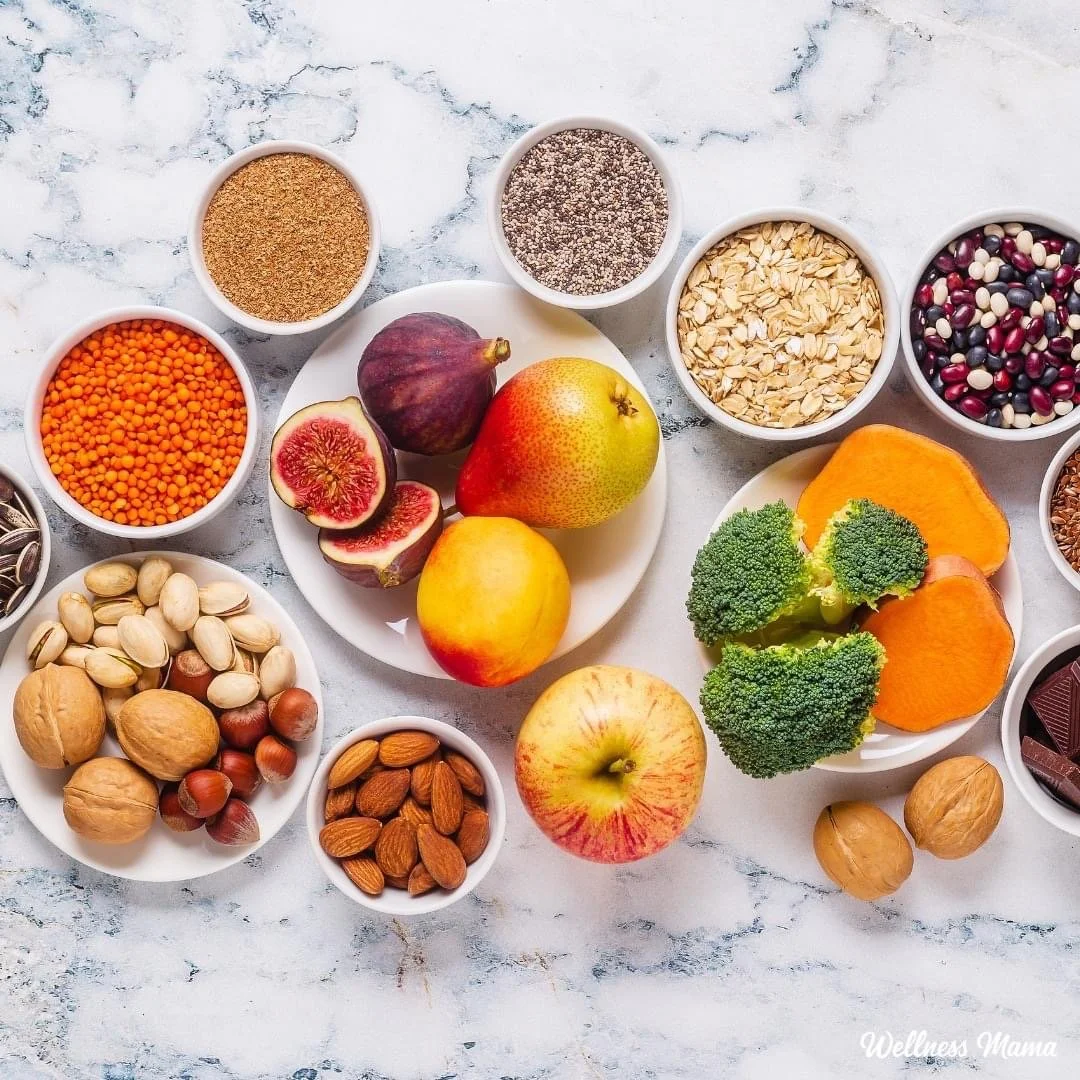
A very interesting 2026 case report (details in references) highlights the potential importance of restoring beneficial butyrate-producing gut bacteria in people experiencing persistent food intolerances.
Researchers Coetzee and Arnold reported on a 47-year-old woman with long-term food intolerances who received a novel probiotic strain, Anaerostipes caccae CLB101™, for 12 weeks.
The findings were encouraging. After 12 weeks, the patient experienced:
Improved tolerance to previously problematic foods
Increased beneficial bacteria including Akkermansia, Faecalibacterium prausnitzii and Roseburia
Improvements in potentially problematic histamine- and LPS-associated bacteria
An overall shift toward a healthier gut microbial environment
Why is this interesting? Anaerostipes caccae is an important butyrate producer. Butyrate is a short-chain fatty acid that helps nourish the cells lining your colon, supports the intestinal barrier and contributes to healthy immune regulation.
This small study supports an emerging thoughts in microbiome science: food intolerance may sometimes be about more than the food itself. The health and function of the gut microbial ecosystem may also matter.
Importantly, this was a single-patient case report, so it cannot prove that A. caccae will resolve food intolerances or that the same results will occur in other people. Larger controlled clinical trials are needed….but very interesting work !
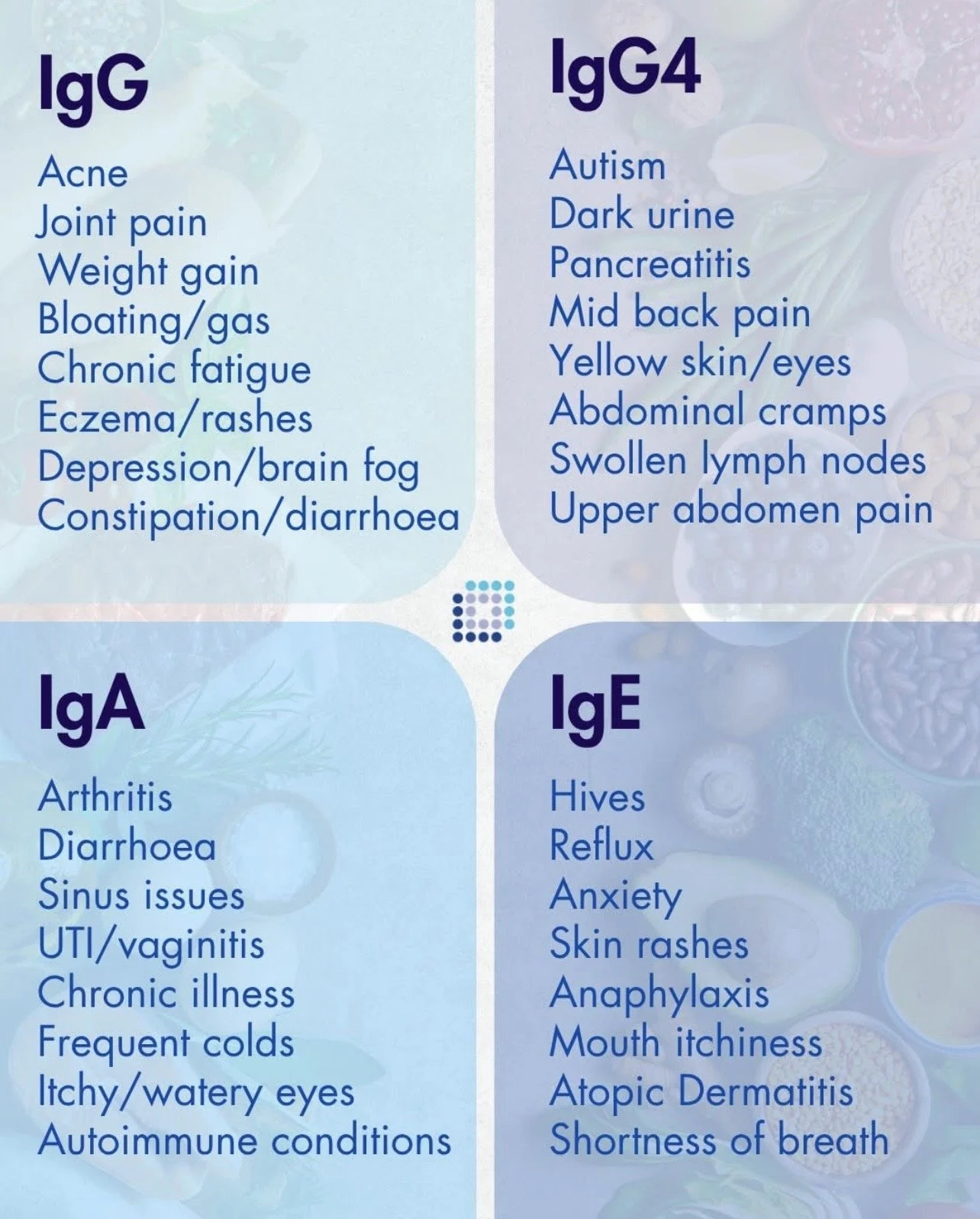
Allergies and sensitivities can be viewed in various ways however as the chart below illustrates , an activated immune system has the potential to play our across many bodily systems.
Allergies are more than genetics
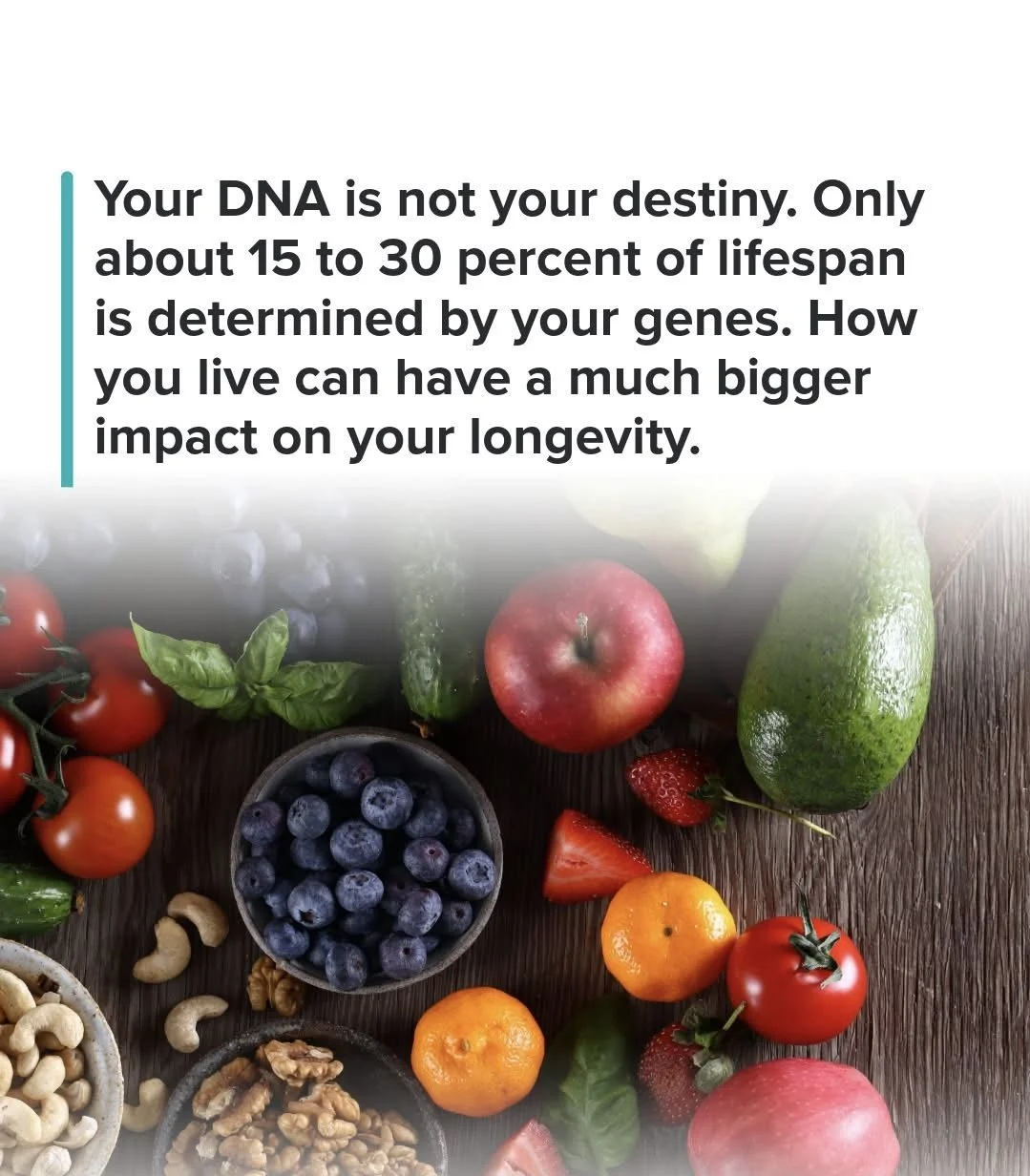
Many people assume allergies are inherited. While genetics certainly influence risk, they are only part of the story.
Modern environmental factors also shape our microbiome, including:
Antibiotics heavily used
Highly processed diets
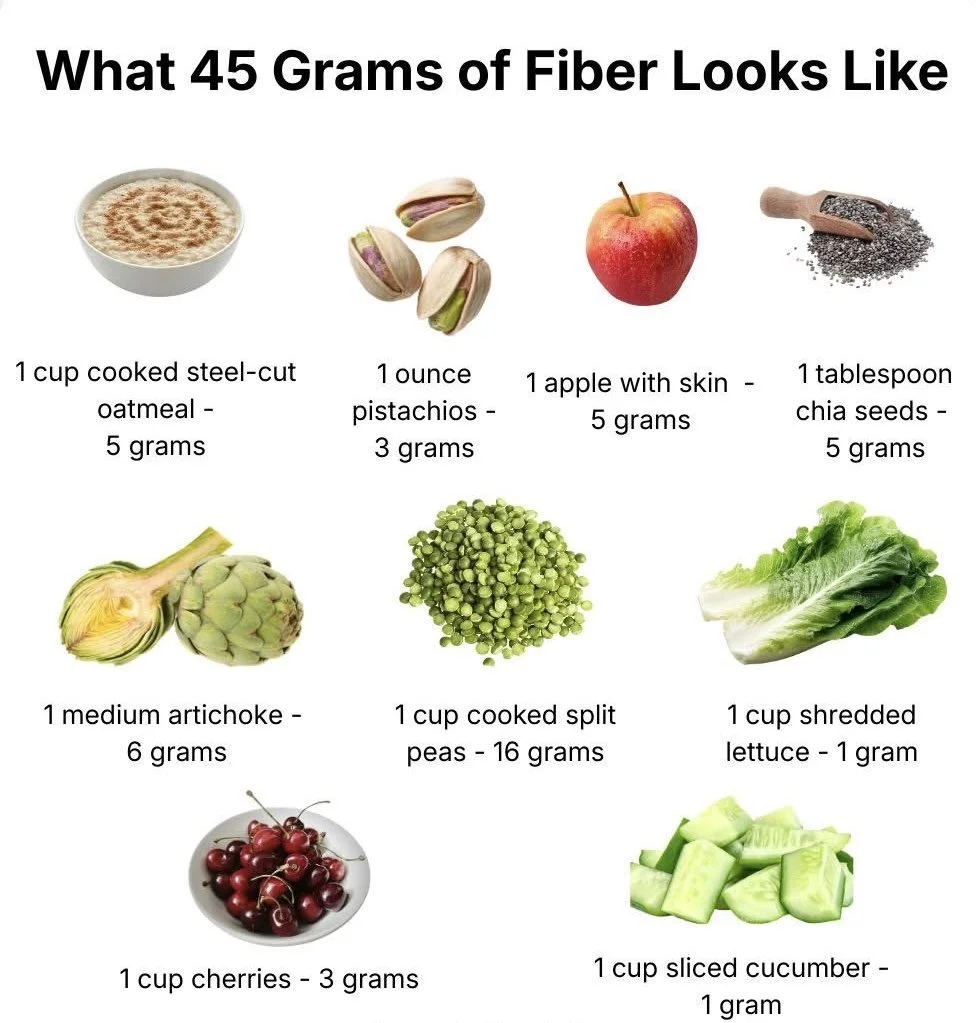
Low fibre intake
Caesarean birth
Formula feeding
Reduced exposure to nature
Environmental pollutants
Alcohol consumption
some Prescription meds
Chronic stress
Poor sleep
Each of these factors can alter the microbial communities that help regulate immune health.
However, the good news is, that with the correct environment the gut wall and the whole gut ecosystem has the capacity to shift, soften and heal if viewed with informed precision.
Informed precision requires testing and unique action.
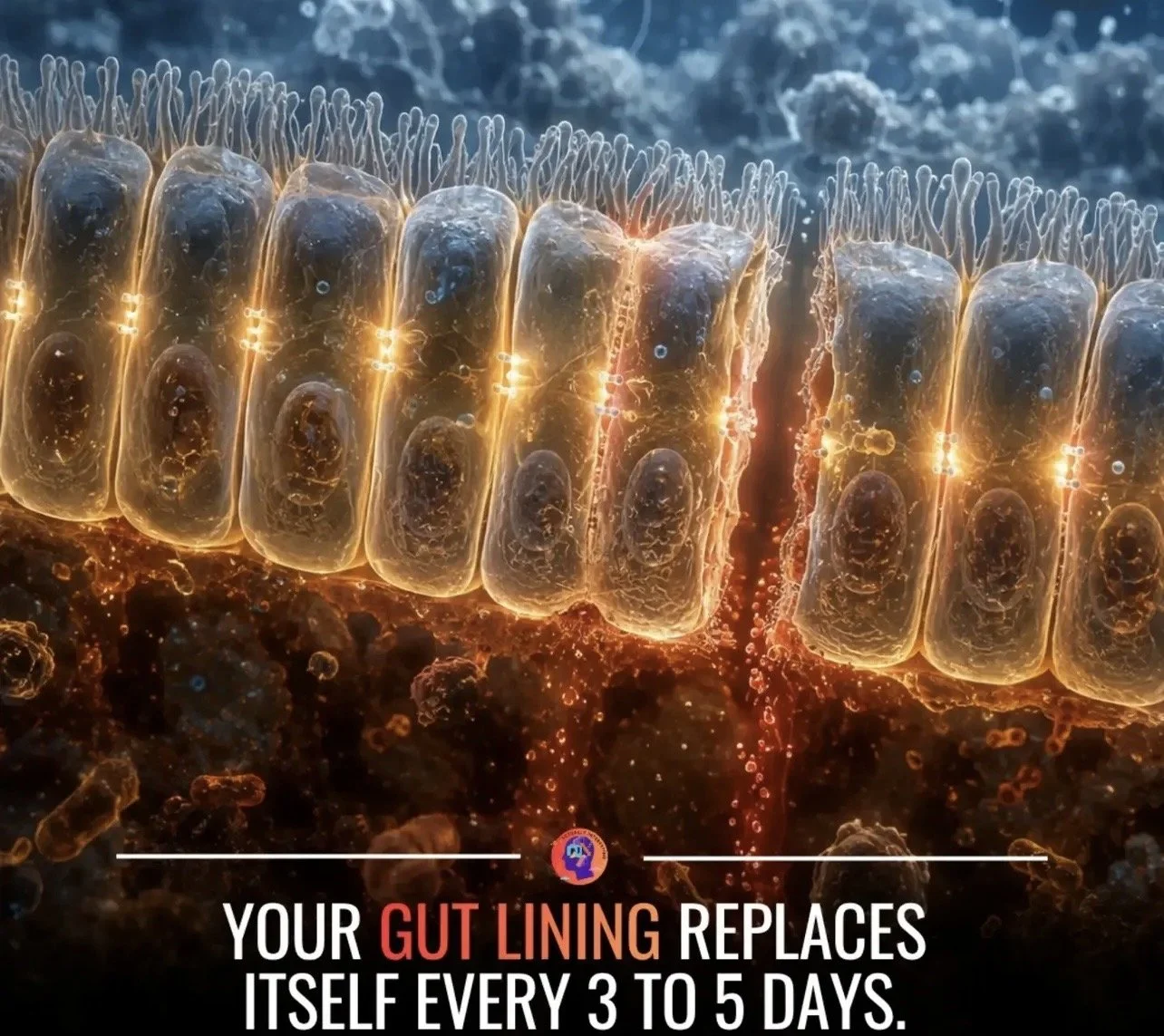
Why Microbial Diversity Matters
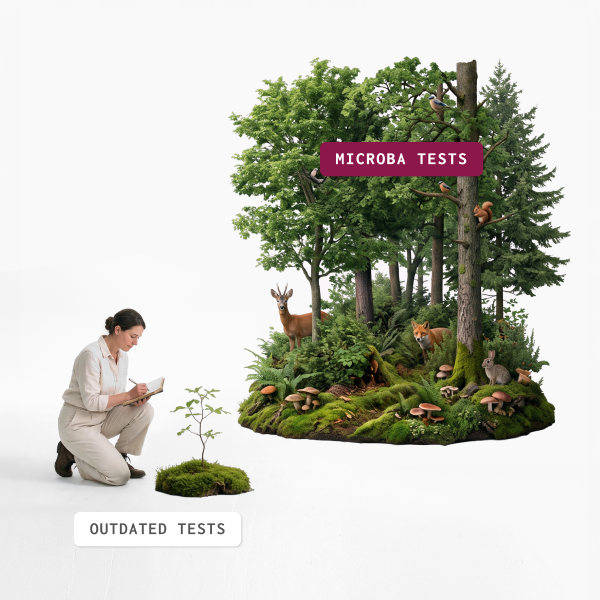
One consistent finding across allergy research is the importance of microbial diversity. A healthy microbiome resembles a thriving rainforest—rich, balanced and resilient.
When diversity declines, certain inflammatory bacteria may become more dominant while beneficial species diminish.
This imbalance can weaken the body's protective barriers in the gut, skin and respiratory tract, increasing susceptibility to allergic inflammation.
One of the reasons I favour the Microba microbiome test is that it’s advanced in the way it views the whole biome and it’s ecosystem, not simply which bacteria are present or absent.
Reports and recommendations are backed by a team of PhD scientists who help create the science, not social media “noise” about the biome which currently seems over whelming.
This testing provides the interpreter a wealth of clinical clues.
Can we improve your Microbiome ?
YES ! This is one of the most exciting areas of modern medicine.
Researchers are actively exploring ways to support healthier microbial communities through:
Personalised nutrition
Increased dietary fibre
Polyphenol-rich foods
Targeted probiotics and prebiotics
Lifestyle modification
Reducing unnecessary antibiotics
Precision microbiome testing
While there is no single "cure" for allergies, improving the health of the microbiome may become an important part of preventing and managing allergic disease alongside conventional medical care.
Victoria approach at Gut Skin Clinic
We follow the developing science and have partnered with a most reputable laboratory for testing and science.
Rather than simply treating symptoms, we look upstream to understand the factors influencing inflammation, barrier health and immune regulation.
Depending on your individual presentation, this may include:
✔ Comprehensive health assessment
✔ Gut microbiome analysis
✔ Nutritional and lifestyle review
✔ Personalised dietary strategies
✔ Targeted supplementation where appropriate
✔ Evidence-informed regenerative skin support
Every recommendation is tailored to you, the unique individual, because no two microbiomes—and no two patients—are exactly alike.
The future of allergy care
The science is exciting as it develops. Your microbiome is an active partner in shaping your immune system from infancy through adulthood.
As our understanding grows, personalised microbiome medicine may become one of the most powerful tools we have for supporting healthier immune responses, calmer skin and improved overall wellbeing. I recommend personalised analysis rather than generic probiotic prescriptions.
Understanding about your unique microbial ecosystem can be informative and liberating especially if food fear is entrenched.
It may be one of the most important investments you make in the future health of your skin, your immune system and your whole body health.
Your microbiome is unique.
If working with a practitioner be curious as to their experience with test result interpretation. Microbiome science is relatively new and reports differ, and are very detailed. This is a hot topic now as many are ordering tests.
Understanding your nuance and clinical relevance is vital.
References
Aguilera AC, Dagher IA, Kloepfer KM. Role of the Microbiome in Allergic Disease Development. Current Allergy and Asthma Reports. 2020;20(9):44. PMID: 32548788.
Kloepfer KM, McCauley KE, Kirjavainen PV. The Microbiome as a Gateway to Prevention of Allergic Disease Development. Journal of Allergy and Clinical Immunology: In Practice. 2022.
Shu SA, Yuen AWT, Woo E, et al. Microbiota and Food Allergy. Clinical Reviews in Allergy & Immunology. 2019.
Bunyavanich B. Food Allergy and the Microbiome: Current Understandings and Future Directions. Journal of Allergy and Clinical Immunology. 2019.
Cukrowska B. Microbial and Nutritional Programming: The Importance of the Microbiome and Early Exposure to Potential Food Allergens in the Development of Allergies. Nutrients. 2018.
Marrs T, Sim K. Can the Gut Microbiome Promote Oral Tolerance Over IgE-mediated Food Allergy? Current Pediatric Reviews. 2018.
Coetzee O, Arnold D. (2026). Anaerostipes caccae CLB101™, a Novel Probiotic and Key Butyrate Producer, Aids in the Resolution of Long-Term Food Intolerances in a Patient in 12 Weeks: A Case Report. Annals of Case Reports, 11:2510. DOI: 10.29011/2574-7754.102510.
Microbiome Gut Regenerative Skin + Hair Practitioner…
Gut Skin Clinic
Microbiome Testing in Sydney’s Lower North Shore
Neutral Bay, Cremorne, Mosman, Sydney and telehealth Australia wide.
Certified Functional and Nutritional Medicine Practitioner.
Microba Microbiome Practitioner
Advanced Skin Health + Hair Restoration
Curated Medical Grade Skin Care
Professional Food and Nutritional Coach