
Can the Gut Microbiome shed light on frailty in older age?
Published work from our friends at Microba Labs.
GUT SKIN CLINIC Neutral Bay Sydney

I am on a mission to educate and empower you, supporting you to stay healthy using clear science and best practices.
Frailty in older age is more than the sum of a person’s diagnoses – it reflects a broader loss of physical and physiological reserve that raises the risk of falls, fractures, and death.
Im curious …. could the trillions of bacteria living in the gut be part of that picture?
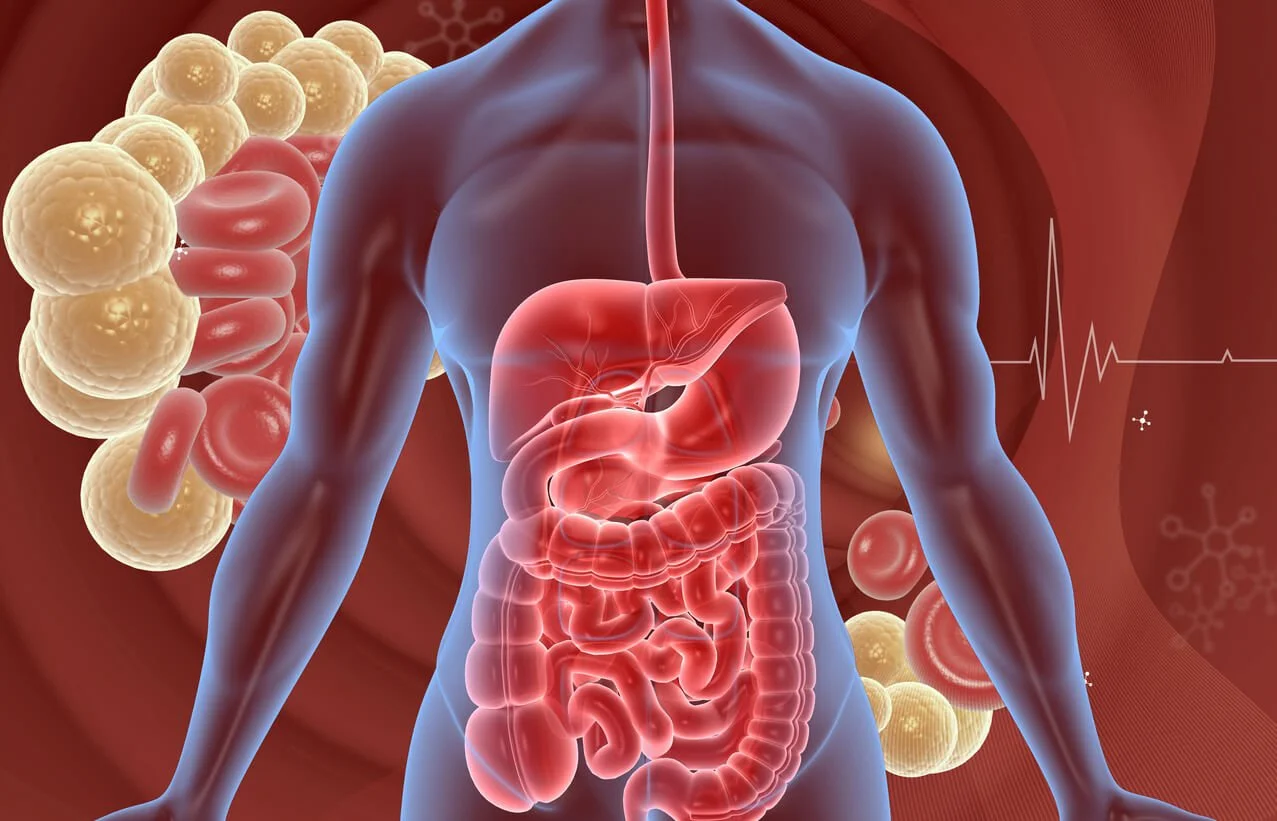
A large study of older Swedish women set out to explore how the gut microbiome relates to frailty and its most serious consequences.
The researchers followed 2,081 community-dwelling women aged 75 to 80 for a median of nearly eight years.
To capture frailty more fully than a standard illness count, they built a composite measure – the Frailty Mortality Index – from factors such as age, walking speed, chair-stand performance, smoking, mental wellbeing, and hospital stays. They then compared each woman’s frailty score with her gut bacteria, profiled using shotgun metagenomic sequencing. Because the microbiome was measured only once, the study can reveal associations but cannot prove that bacteria cause frailty.
Women with higher frailty scores tended to have a less diverse gut microbiome and a narrower range of microbial genes — and lower diversity was itself associated with a higher risk of falls and death.
Beyond which microbes were present, the functions the community was doing also appeared to shift.
Frailer women carried more oral and opportunistic bacteria alongside a metabolic signature tilted towards breaking down protein rather than fibre.
Less frail women showed the reverse: more fibre-fermenting, short-chain fatty acid producers and more pathways for making the beneficial fatty acids butyrate and acetate, for breaking down dietary pectin, and for producing methane.
Taken together, the functional data point to a broad shift away from fibre fermentation and towards protein breakdown as frailty increases.
Encouragingly, many of these patterns reappeared in a separate group of 1,448 older adults in China, suggesting the microbial signals of frailty may hold across very different populations.
The authors are careful not to overreach.
The study included only Swedish women, measured the microbiome at a single point in time, and relied on predicted rather than directly measured microbial activity, so cause and effect remain unresolved. Even so, the consistency across two continents makes these microbial signatures a promising direction for future research into how the gut might one day be supported to help older adults stay well for longer and reduce frailty.
References
Vilar Geraldi, M., Dwibedi, C., Jaiswal, R. et al. Gut microbiota associates with frailty in older women. Nat Commun 17, 5925 (2026). https://doi.org/10.1038/s41467-026-75176-5.
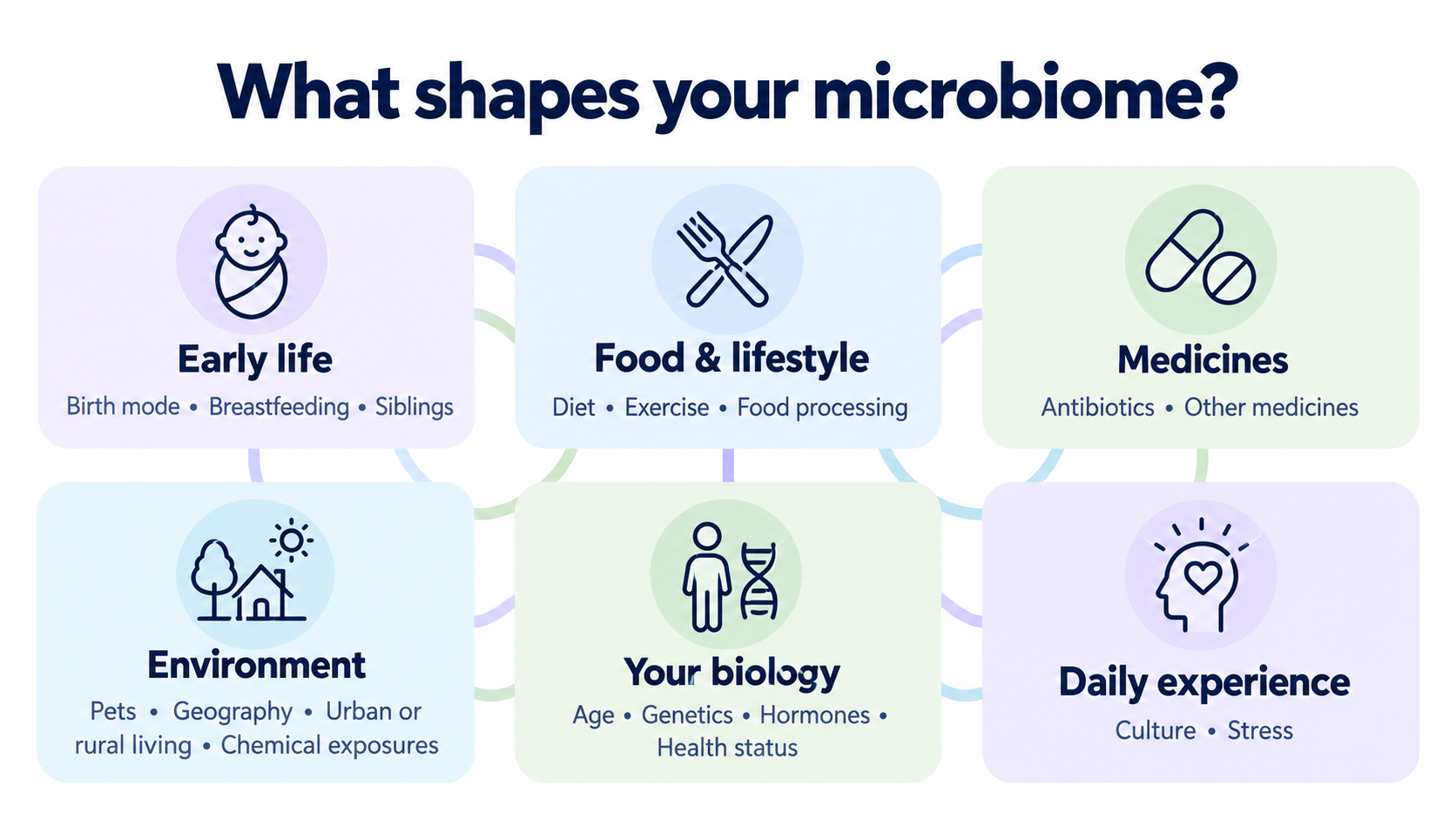
At Gut Skin Clinic I don't believe in guessing.
If your microbiome testing shows low biodiversity the next question isn't simply
"Which probiotic should I take?"
it's:
“Why did the healthiest species disappear in the first place?”
Understanding the drivers— diet, medications, stress, illness or other factors allows us to develop a personalised strategy to support your gut ecosystem and your overall wellbeing.
Consider personalised analysis rather than generic probiotic prescriptions.
Your microbiome is unique.
Understanding your nuance and clinical relevance is vital.
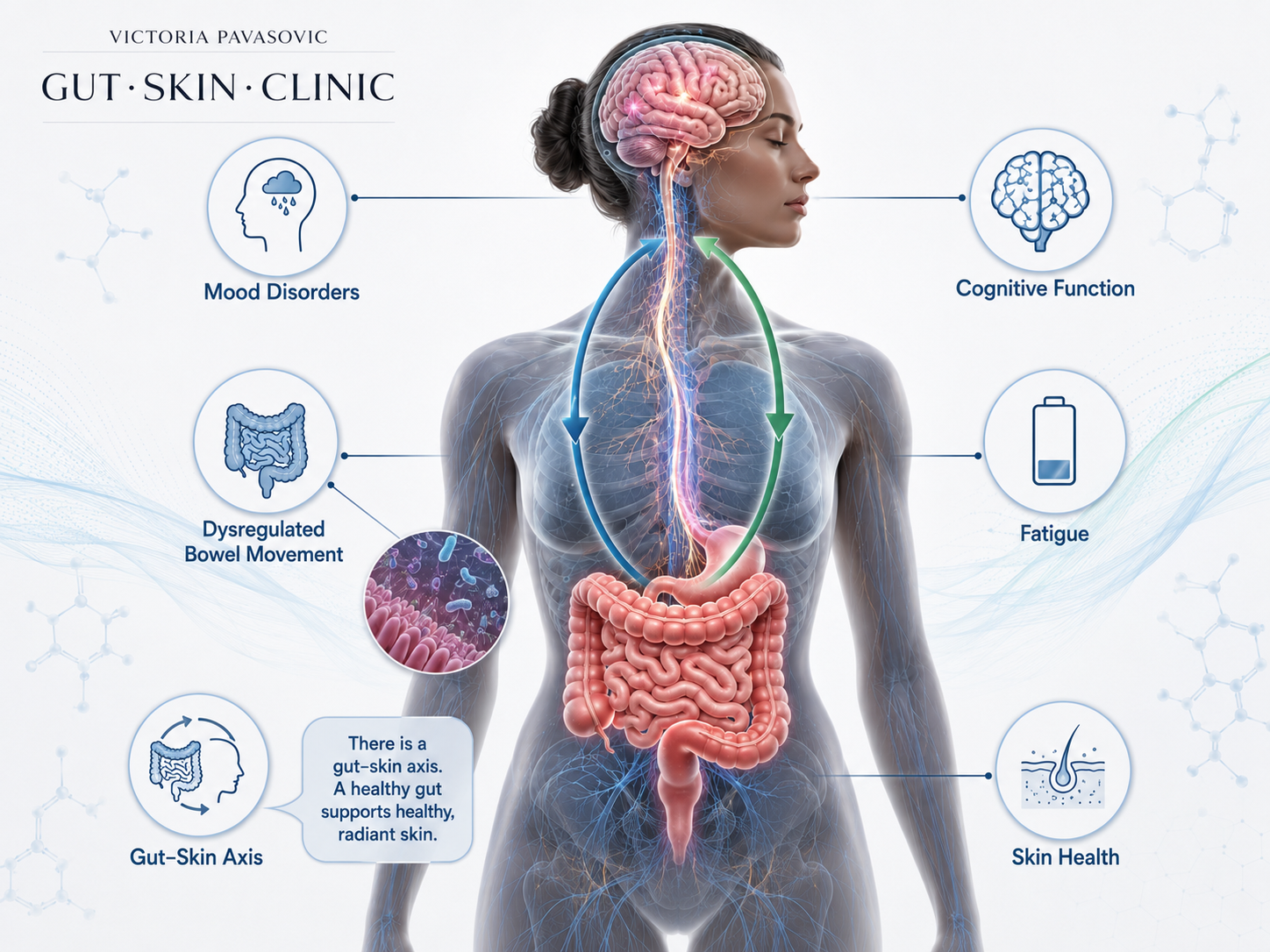
Gut Skin Clinic
Microbiome Testing in Sydney’s Lower North Shore
Neutral Bay, Cremorne, Mosman, Sydney and telehealth Australia wide.
Certified Functional and Nutritional Medicine Practitioner.
Microba Microbiome Practitioner
Advanced Skin Health + Hair Restoration
Curated Medical Grade Skin Care
Professional Food and Nutritional Coach