
Collagen induction therapy (micro-needling) in Sydney: cost, downtime and the 400% collagen boost explained
Clinically proven to increase Collagen by up to 400% and demonstrated improvements are structural rather than superficial.
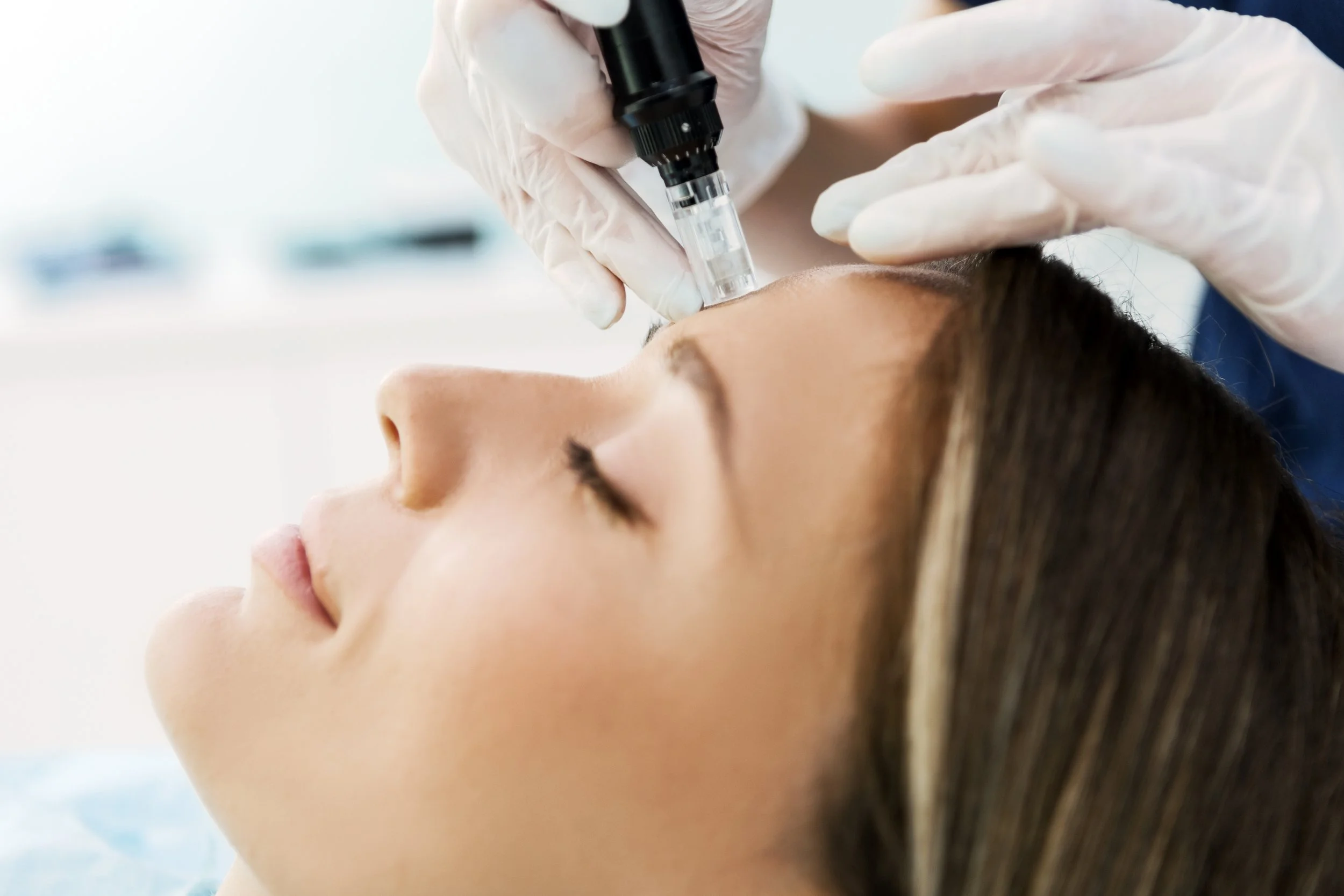
That’s HUGE and I was shocked ….. this was one of the most compelling findings in dermatology research published in the Indian Dermatology Online Journal, confirming under histological (microscopic tissue) analysis that micro needling doesn’t simply improve how skin looks — it fundamentally improves the structure of the skin by stimulating true dermal remodelling.
I have included the reference below for your reveiw.
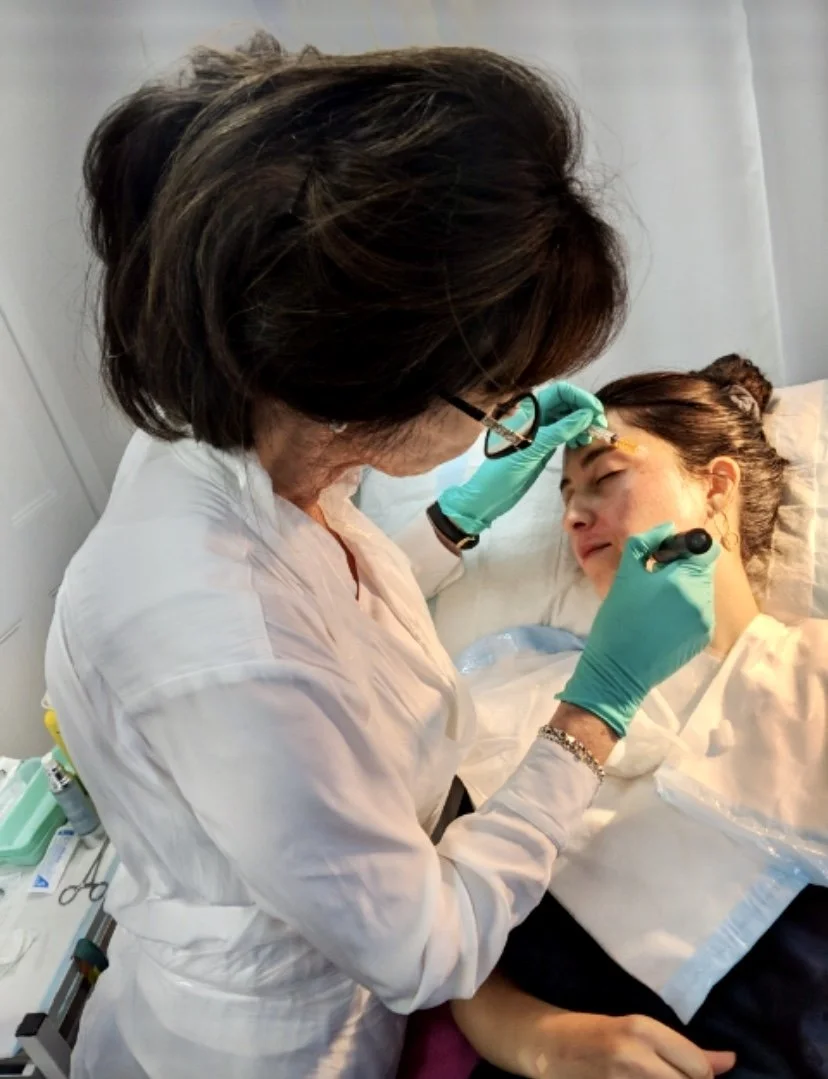
Collagen induction therapy, commonly known as micro needling is a medical skin treatment that uses sterile, ultra-fine needles to create controlled micro-channels in the skin. These micro-injuries activate the body’s natural wound-healing response while keeping the skin surface largely intact.
Early foundational work by Dr Desmond Fernandes, the pioneer of percutaneous collagen induction therapy demonstrates that:
“ this process stimulates fibroblast activity and leads to long-term dermal thickening without removing or damaging the epidermis ”
Research published in Plastic and Reconstructive Surgery demonstrated that micro-needling leads to measurable increases in collagen and elastin fibres, confirming that improvements are structural rather than superficial.
Similarly, studies in patients with acne scarring have shown objective improvements in dermal architecture alongside visible clinical changes.

Combined with performance nutrient ampoules, consider this treatment like taking a nutritional supplement orally however in this instance it has been specifically chosen for your skin and infused topically.
I am very particular about technique and will always be. My patients put one of their greatest assets in my hands and i never take that responsibility for granted .
I use compounded local anaesthetic and strict aseptic protocol to minimise risk.
Although internet images may show bloody faces after collagen induction micro needling, this reflects suboptimal technique and is not my intended outcome. Properly executed microneedling is not designed to cause overt bleeding.
The procedure uses very fine needles that induce a localized wound-healing cascade, promoting deposition of the body’s own type I and III collagen without creating large areas of tissue damage. Excessive bleeding and tissue disruption increase the risk of scar formation, which we don’t want.
Expect to be red for approximately 24–48 hours, but not active bleeding. Microneedling is a non‑injectable. The treatment is delivered in a calm, unhurried environment to minimise your sympathetic responses.
My aim is to stress your skin, not stress you !
Post‑needling care includes application of a copper peptide recovery mask, LED white light therapy, and prescribed take‑home after care and simple instructions to support healing. Clinical improvements in skin quality develop progressively as the remodelling response proceeds.
My most common applications :
• Soften Fine lines and enlarged coarse pores
• Upper lip lines to soften depth
• Sun damage and actinica keratosis
• Coarse textured de-conditioned skin
• Acne and surgical scars
• Pigmentation, including Melasma
• Rosacea, overall skin firmness and resilience
• Stretch marks
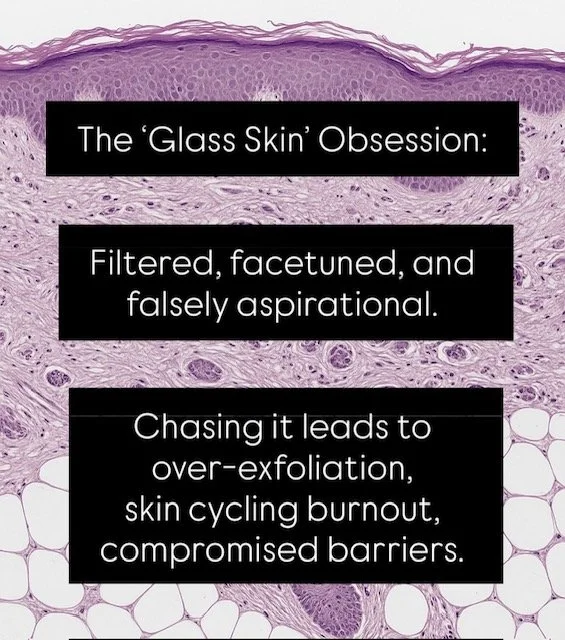
Does it matter which products are used when micro-needling for collagen induction ?
Yes !
You are piercing the skin and creating a tissue trauma so ensure your clinician:
uses excellent aseptic technique
understands your skin and the degree of trauma needed
is well versed in both the process of the medically induced injury, the risks, the down time and potential for complications
understands the functionality of the active ampoule ingredients used.
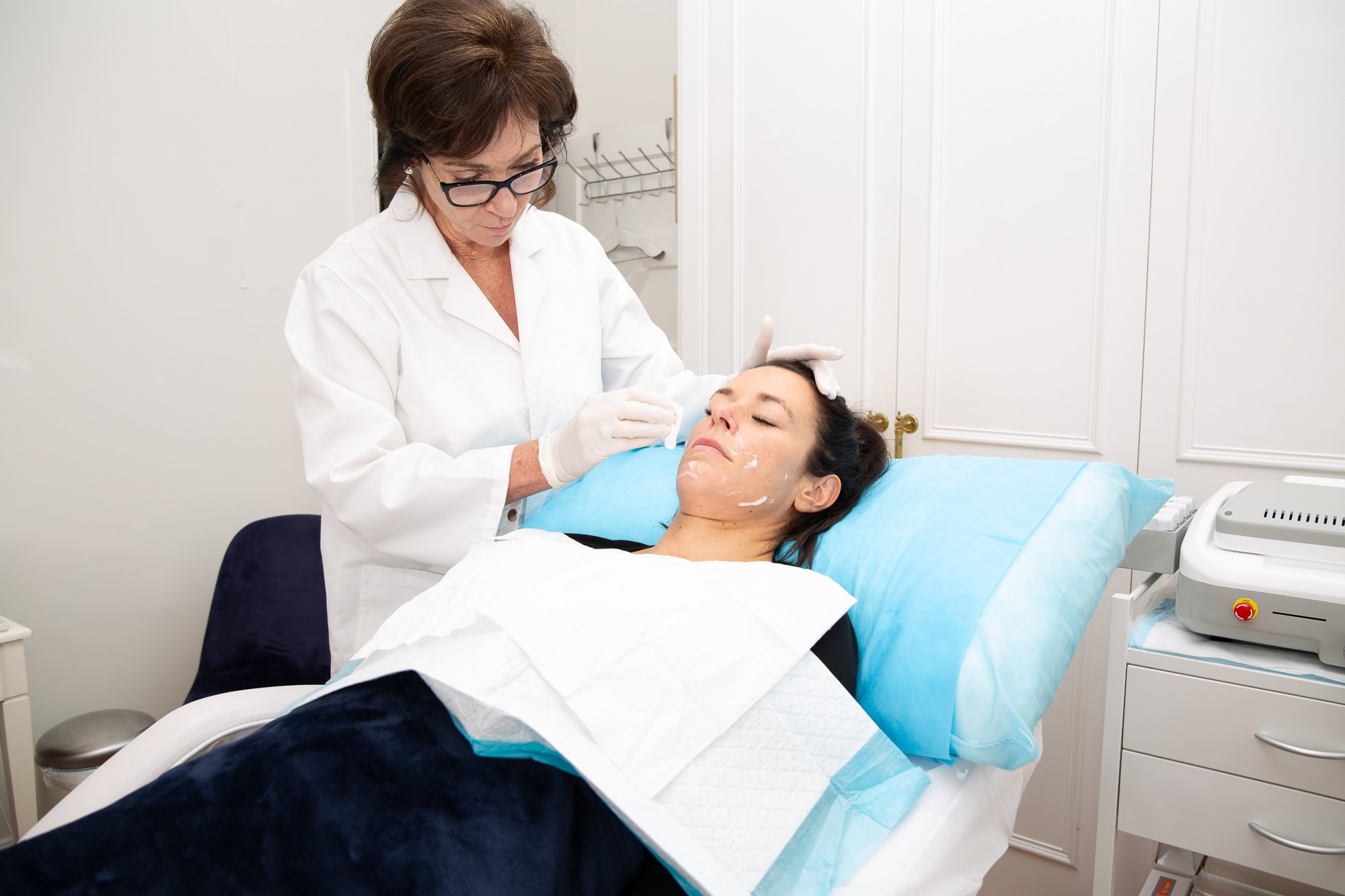
These are typically the ingredients I select from when choosing your treatment plan.
Hyaluronic acid of potent strength and differing molecular weights
Platelet Rich Plasma
Exosomes (stem cell derived)
Retinaldehyde as an activated form of Vitamin A
Copper peptides as potent antioxidants combined with botanical extracts
Key performance ingredients for pigmentation: licorice root, uva ursi leaf extract, Vitamin C, and kojic acid
Performance ingredients for problematic skin: niacinamide, boswella serrata, honey, oligopeptide-10, zinc and B5
Calphasomes using calcium technology for controlled delivery of bio-active nutrients
GGP- revolutionary telomere technology
Sigesbeckia orientalis + centella asiatica for wound healing and reducing inflammation and redness.
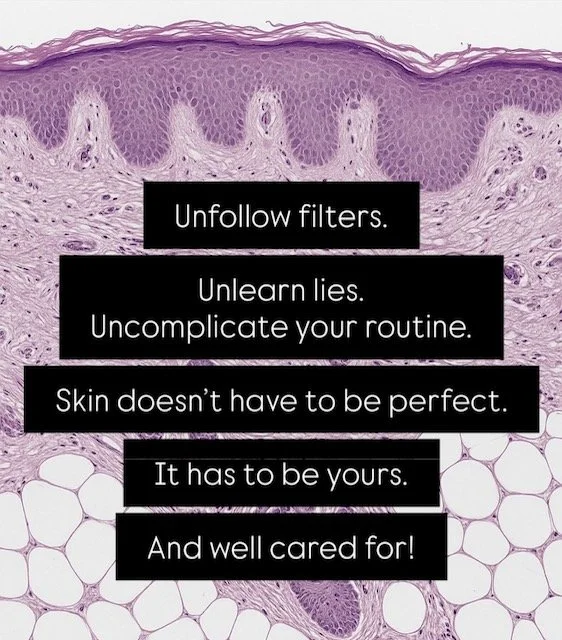
CAUTIONS : Risks such as granulomas, extended uncomfortable redness, irritation can be associated with poor technique and skincare products incorrectly applied, particularly to sensitive and low Fitzpatrick scale complexions. Over zealous treatment may lead to scarring and exacerbate pigmentation.
Does this hurt ?
Traditional dermal-rolling techniques can be bloody and painful, and many beauty clinics perform these treatments without due consideration to the downtime and pain involved as well as the appropriate time needed between treatments to allow for skin healing.
What is my downtime ?
You may experience facial redness for 24-48 hours. Most people can return to normal daily activities immediately after the treatment. Application of a bespoke copper peptide and oligo peptide mask and post treatment balm calms and covers any redness for a return to your daily activities.
How often can I have collagen induction therapy?
Everyone is different however the published studies recommend 4 sessions with the initial 3, 3-5 weeks apart. This guide is developed to give the skin enough time to recover between procedures, which supports skin layer healing and the rejuvenation process. Once you have your skin looking fresher, a bi-annual top up is typically recommended.
What products should I use with my treatment for the best results?
There will be different ampoules we can select from considering your primary concerns. I’ve taken the hassle out of endless Internet searches for the right combination of products for your skin. There is a simple and accessible range of quality skin compounds that have been custom created just for your concerns.
The result is visibly refined, resurfaced, and rejuvenated skin.
Costs ?
$590 for 1st treatment including consultation, treatment with prescribed ampoule, peptide mask, LED light and take home full sized care.
$495 for subsequent treatment including ampoule, treatment with ampoule, peptide mask, LED light.
$900 per treatment if we are using Exosome technology.
Please allow up to 90 minutes for your appointment.
My take home message
Collagen induction therapy is not simply a cosmetic treatment — it is a biologically driven skin regeneration therapy supported by decades of research.
References
Dermapenworld: Corri Marshall, Company Director Cosmetic Chemist
Singh A, Yadav S.
Microneedling: Advances and widening horizons.
Indian Dermatology Online Journal. 2016;7(4):244–254. doi:10.4103/2229-5178.185468.Aust MC, Reimers K, Repenning C, et al.
Percutaneous collagen induction therapy: An alternative treatment for scars, wrinkles, and skin laxity.
Plastic and Reconstructive Surgery. 2008;121(4):1421–1429.Fernandes D.
Minimally invasive percutaneous collagen induction.
Oral and Maxillofacial Surgery Clinics of North America. 2005;17(1):51–63.El-Domyati M, Barakat M, Awad S, et al.
Microneedling therapy for atrophic acne scars: An objective evaluation.
Journal of Clinical and Aesthetic Dermatology. 2015;8(7):36–42.Majid I.
Microneedling therapy in atrophic facial scars: An objective assessment.
Journal of Cutaneous and Aesthetic Surgery. 2009;2(1):26–30.