
Changing your relationship with food can be pivotal
Challenging yes, and no one said it would be easy !
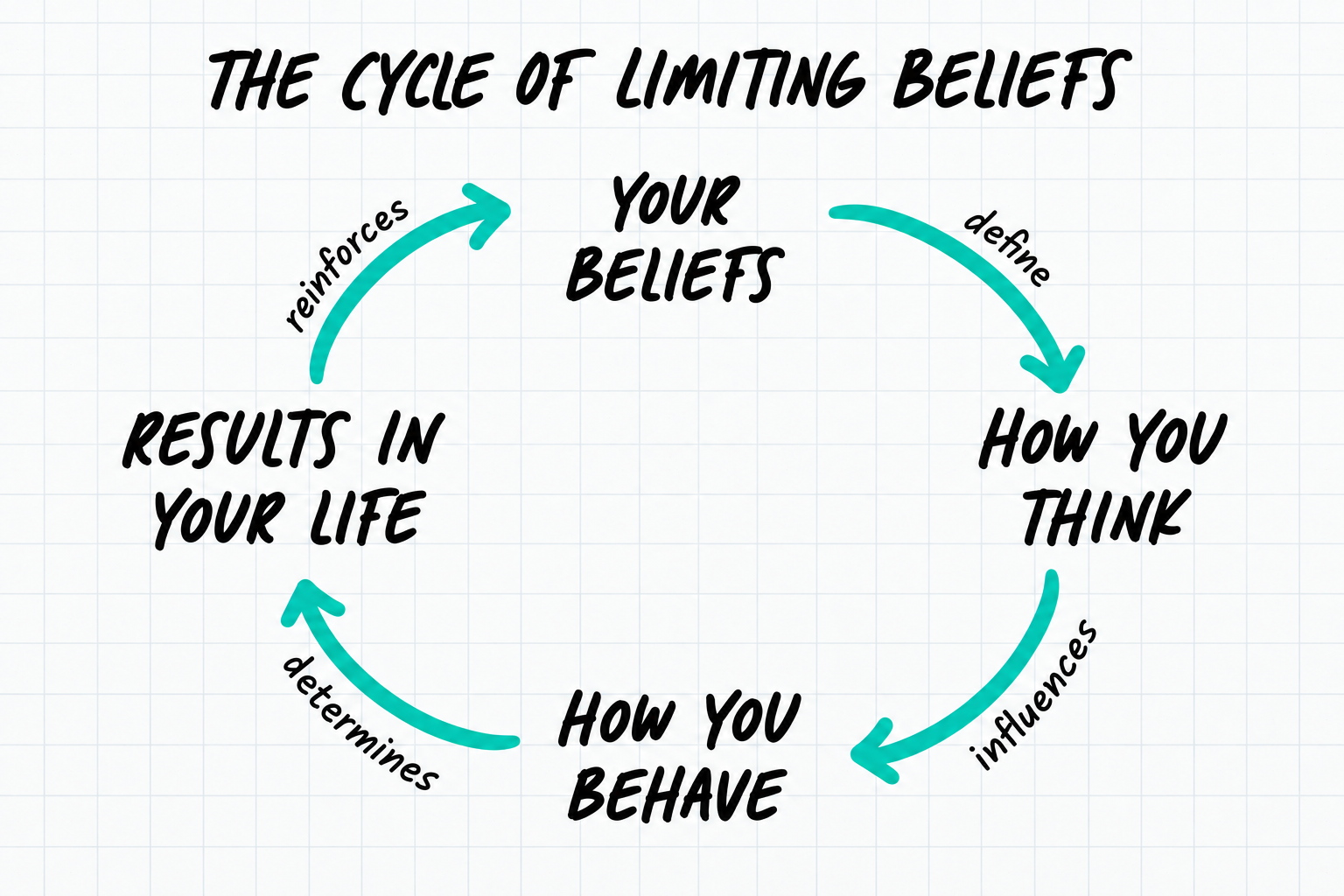
I often request clients do some homework that identifies their self talk around food as embarking on a journey to change your food choices and your relationship with food can be some journey !
In many instances you will be attempting to change eating habits and patterns that are many decades old and besides maybe there are some foods that you just don’t want to go without.
Your belief about what is possible can be a pivotal point as shown in a current client progress graph below.
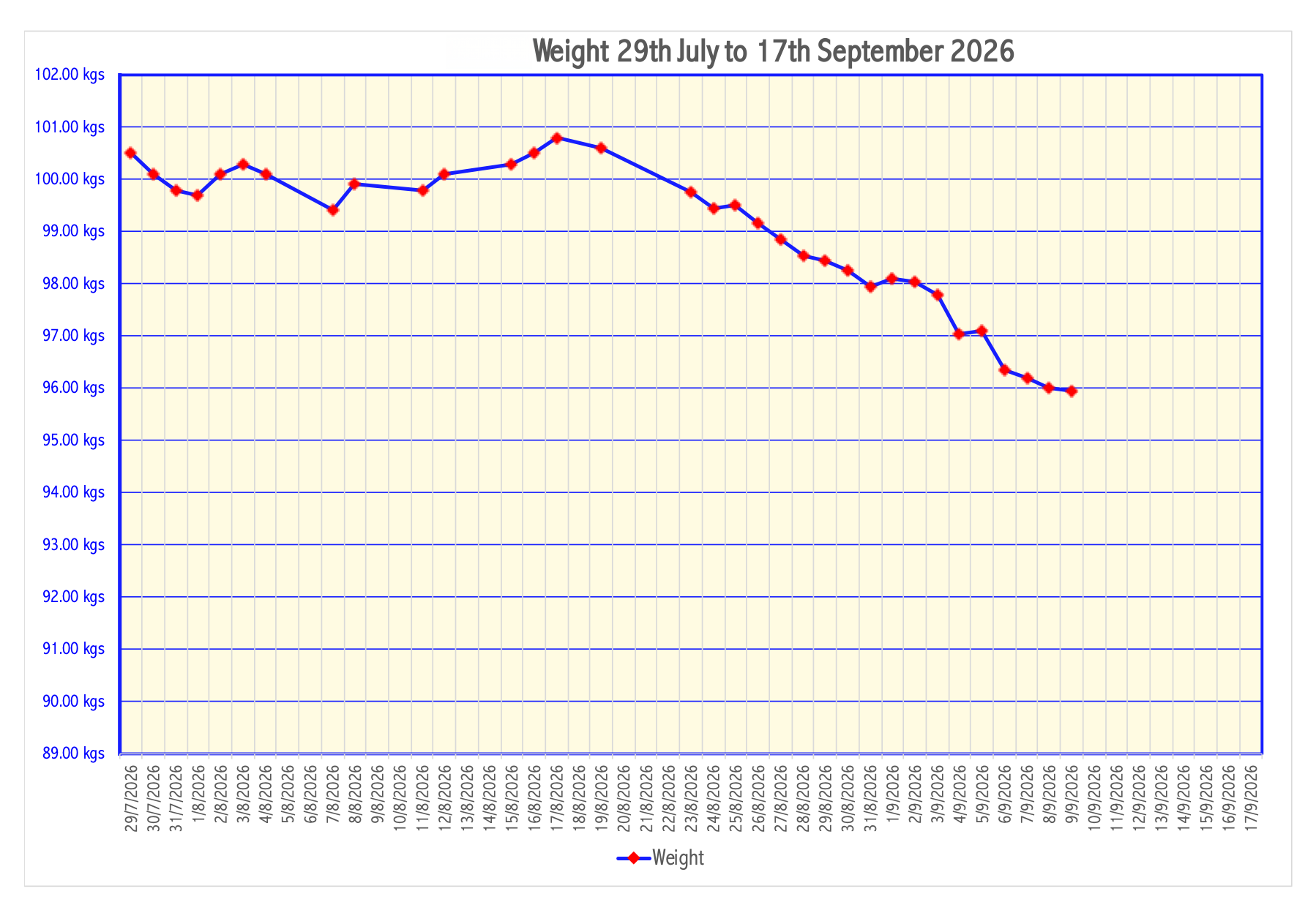
This recent experience with a delightful client has reminded me of a very important message, a wonderful story of healing to share. I know he will be happy that his journey may inspire others.
A healthy weight journey does not happen apart from the rest of life. He who will remain nameless had previously made remarkable progress, but the emotional strain of caring for someone he loved, loneliness and the upheaval of daily life made it hard to sustain.
He felt overwhelmed at one stage and cancelled every forward appointment scheduled . What helped him return was a simpler approach, support that met him where he was, and a growing belief that change was still possible for him.
That belief became action, because he believed it, one ordinary day at a time. He found meals he enjoyed, began walking regularly and noticed his energy returning. At his recent review, he was 6.5 kg lighter, blood pressure normalised, sleeping better and walking around 3 km a day with much less breathlessness.
The weight matters, but what stays with me is his sense of possibility: he could once again picture a more active life and more time enjoying the people he loves.
His story reminds me that lasting care must make room for the person’s emotional life as well as their food choices.
Food may mean more to you than just a form of sustenance …it may be your best buddy or your pick me up when down. These feelings hopefully come to the fore during your journey of discovery. Everyone’s journey is different.
Emotional attachments to food can happen for many reasons:
Negative past experiences: Traumatic or unpleasant events associated with certain foods can lead to emotional detachment and “food fear”.
Health issues: Allergies, intolerances, or chronic illnesses may create aversions or anxiety around certain foods.
Mental health conditions: Disorders such as anxiety, or eating disorders can alter positive emotional responses and pleasure around quality food. This can be from years of family or self pressure and body dysmorphia perceived or actual..
Stress and lifestyle factors: High stress levels and busy lifestyles can lead to disconnected, mindless eating habits, eating on the go, (processed rubbish packaged to look like food) with poorer health outcomes.
Lack of mindful eating: Eating without attention to sensory and emotional experiences reduces the opportunity to form quality connection to the whole experience of food preparation and food as sustenance and medicine. “each bite is healing me”
Thinking more deeply about these factors helps to addressg improving emotional relationships with food and reducing what i call “food fear”. I definie this as an unhealthy, typically anxious relationship towards some food types and their perceived danger to you, your weight, your appearance, and your overall health.
You notice i mention perception, as often these are totally unfounded and emotionally unhealthy which leads to potentially physically unhealthy.
I pick up so much “malnourished obesity” where patients are carrying extra kilos and starving themselves for body beautiful with the net effect of unhealthy gut, liver, muscle skeletal, bone and whole body health….ultimate fragility and frailty.

Giving up sugar is one of the hardest because it affects the brain's reward system by triggering the release of dopamine, a chemical associated with pleasure and addiction. This creates cravings and reinforces the desire to consume more sugar. Additionally, sugar causes fluctuations in blood sugar levels, leading to energy crashes and hunger that drive repeat consumption.
Over time, habitual sugar intake conditions taste preferences, making healthier alternatives less appealing. Emotional factors, such as using sugary foods for comfort or stress relief, also contribute to the challenge.
Finally sugar, especially high fructose corn syrup is pervasive in processed foods, making it hard to avoid even when intentionally trying to reduce intake.

My strongest advice to you would be… be kind to yourself, particularly if you are really trying to give up the sweet stuff.
You have powerful chemicals in your brain signaling you to keep eating the white powder even when you feel you are being so resilient.
The first 3-10 days off sugar may give you flu like symptoms, a heavy head, swollen nasal passages and sinus congestion.
You may feel like your whole body aches and in many cases it will.
This is the toughest of times and you may need a family member or mentor by your side, preferably someone who has been through it, is non judgemental and understands what you are going through.
Many will judge you and you may find yourself questioning what the hell you are doing.
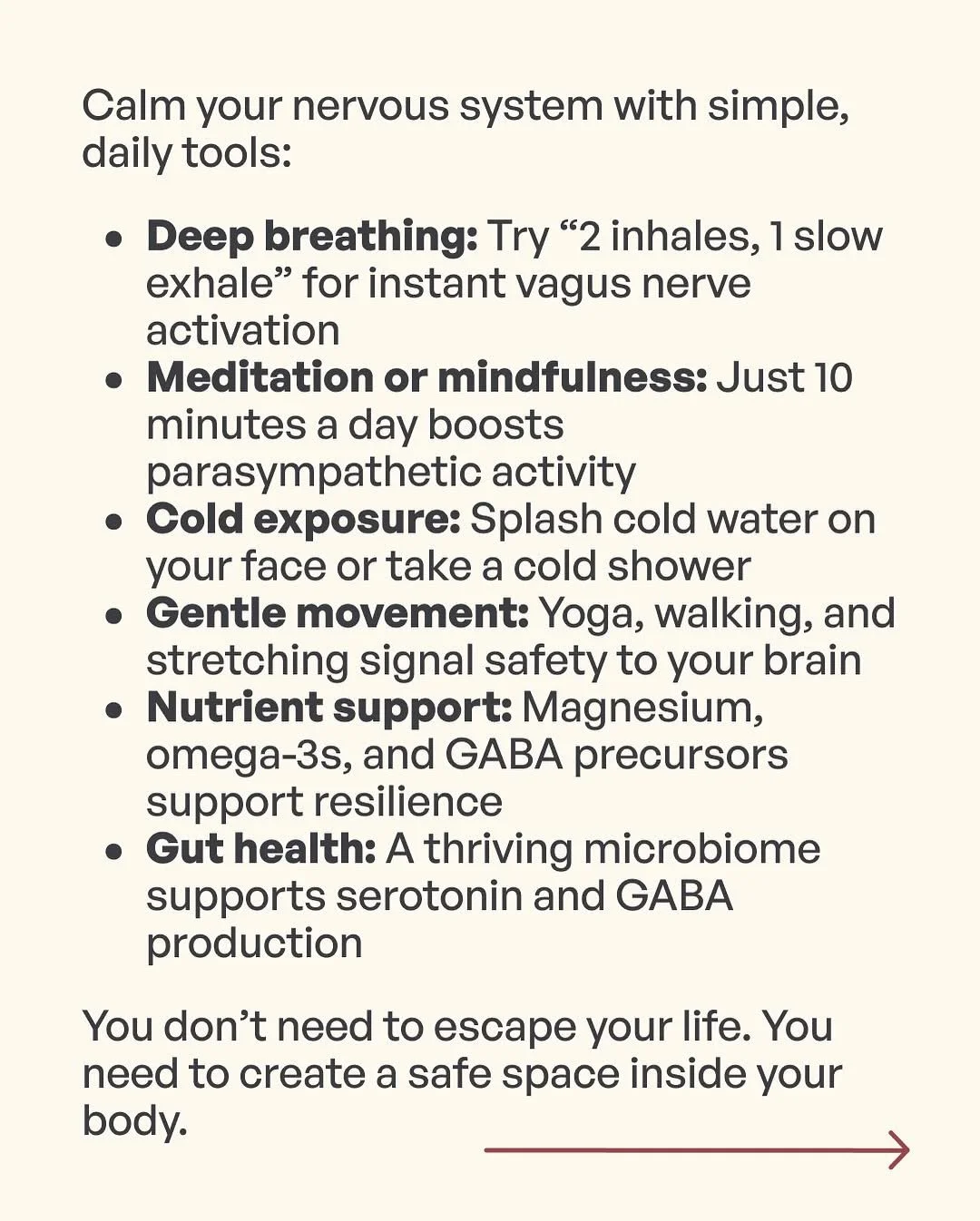
I thought i would remind you of some of the lifestyle and lovely natural behaviours that can improve the way you feel during this process, and for life !

This sugar detox phase does pass and it will astound you how clear your head and how light your body feels when it does. The last lady I worked with had to take 3 days off work during her recovery.

One little tip I’ll offer is Organic Licorice Tea.
This is a litte trick I used frequently when working as a medical advisor, with patients on the “I quit sugar program” .
Many teas have chemical spray residue on the leaves so always try to buy the organic versions. Licorice tea has a hint of sweetness and can calm those frayed nerves during your most vulnerable time.

My key takeaways : Again, be kind to self !
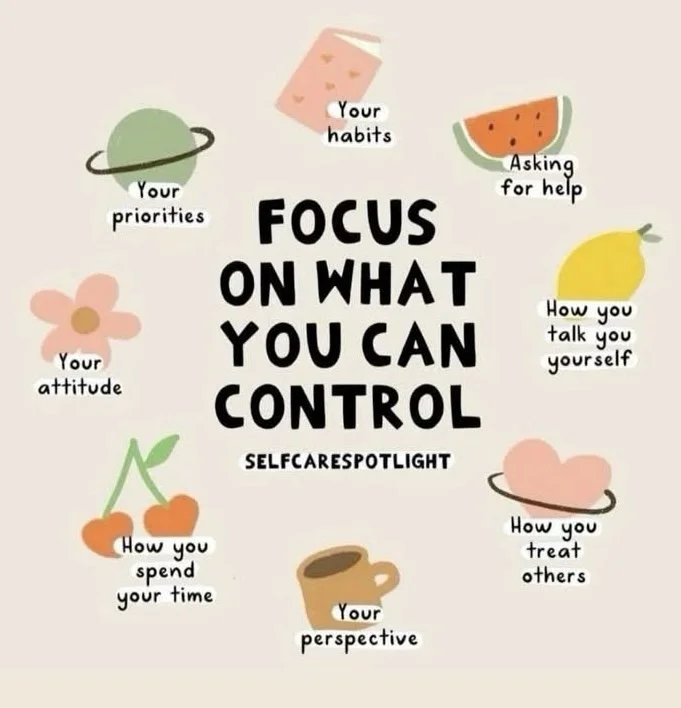
Below is a stunning example of self care and support sent to me by a transitioning patient with a less than ideal relationship with food. Little reminders on the kitchen fridge of just how far she had come!.

Key takeaways:
Recognize YOUR emotional triggers that lead to unhealthy eating habits.
Practice mindful eating by paying attention to your hunger and fullness.
enjoy self care TREATS that are not food or alcohol related.
Avoid using food as a primary coping mechanism for stress or negative emotions, what else GIVES YOU JOY ?
Develop alternative strategies for emotional regulation, such as journaling or meditation.
Cultivate a balanced view of food without labeling foods as strictly "good" or "bad."
Foster self-compassion and patience during the process of change.
Focus on nourishing the body with a variety of foods for overall well-being.
Set realistic and sustainable goals for improving eating behaviors.
get buy in from your family or closest buddies who have your back with support.
You are truly worth it !